📱 Smart QR Code
Scan to view & share this memorial biography directly.
🌹 Prayers
Click to send your sincere respect and prayers for this hero
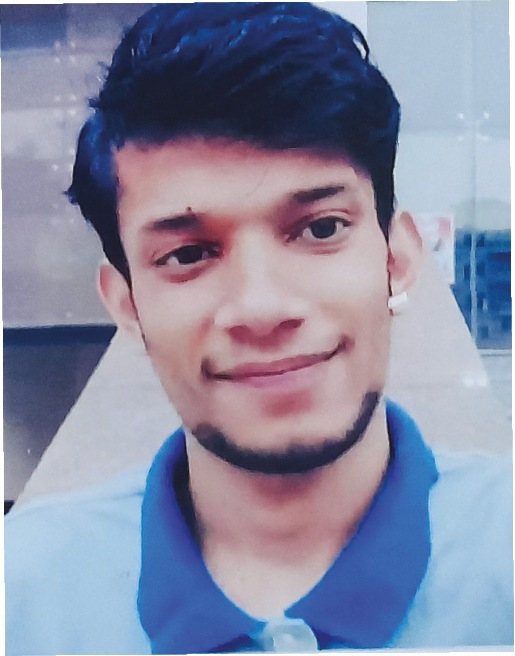
Rakib Hossain
📅 Date of Birth
3 May, 2000
🕊️ Date of Martyrdom
19 July, 2024
🗺️ Division
Dhaka_City
📍 District
Munshiganj
👤 Short Biography
Profession: Job (Office Assistant).
Place of Martyrdom: Dhaka Medical College Hospital
Incident Details & Martyrdom Narrative
How He Became a Martyr
Once, he came out of his home to get involved in the student anti-discrimination campaign. The date was Friday, July 19. Rakib and many others had joined this cause by that time. The authoritarian regime's foundations had been rocked by the protests. For fifteen years, the Awami League had held sway. Sheikh Hasina's government had become a monster during this time. Vision 2041 was their objective. There was no freedom of speech. Many influential voices had vanished over the course of these fifteen years—abducted, never to be heard again. The country found out that Hasina had multiple "Aayna Ghar" (Torturing Cell) after August 5.
Throughout history, mirror houses have been symbols of brutal tyranny. One of the strongest opposition voices, Ilyas Ali, vanished without a trace. After Hasina’s escape in August, the nation learned that he had been suffocated with plastic wrap and then shot dead. His body was cut open, weighed down with stones, and thrown away forever. His wife, children, and family would never know where he was buried. Even the simple right to stand by his grave was erased by the fascist Hasina. The rule of the Awami League remains a dark chapter in Bangladesh’s history.
The entire nation was fed up with such injustice, oppression, and tyranny. Many protests had risen against Hasina’s misrule over the years, but they had always been suppressed through brutal force.
The anti-discrimination movement started over the quota issue. Hasina’s government, in its usual arrogant manner, ignored the demand. Instead, they used their old political tactics—labeling protesters as BNP, Jamaat, militants, or collaborators. But this time, it didn’t work. Instead, the movement gained even more momentum.
At first, the protests were confined to university halls. But soon, they spread across the entire campus—from TSC to the Raju Memorial Sculpture. Students from private universities also joined. Gradually, the general public, frustrated with years of injustice, joined forces with the students.
Rakib Hossain was an ordinary man, but he was also a conscious citizen. He believed in the cause of the July revolution. Like many others, he had reasons to be angry. The nation was boiling with suppressed rage, and the July revolution became the spark that ignited it. Rakib, too, became part of this historic struggle.
Meanwhile, the fascist Hasina became desperate to hold onto power. Like an invading force, she unleashed a brutal crackdown on her own people. Violating international laws, she acted like a war-hungry dictator, treating protesters as enemy combatants. To suppress the revolution, she ordered mass killings. Police, BGB, and even the army were unleashed on civilians. Helicopters rained bullets from above. Even the elderly, women, and children inside their homes were not spared.
On July 18–19, Hasina imposed a lockdown on the country. Along with government forces, Awami League’s militant groups joined in the slaughtering . They killed people indiscriminately.
On July 19, conscious citizens across the country joined the movement. But in a free nation, their peaceful march for rights was met with gunfire! No civilized person could accept such brutality. History had never seen such atrocities before.
At one stage, the government shut down the internet and imposed a curfew. Amidst this chaos, Rakib left his rented home and joined the protests at the Aftab Nagar point. That day, Hasina’s police and ruling party thugs launched a coordinated attack between Aftab Nagar and Rampura. The area turned into a battlefield. Around noon, Rakib was shot.
The entire city was cut off. There was no transportation, no way to get anywhere. Somehow, the protesters managed to take him to the hospital. Meanwhile, Rakib had not returned home. His mother and sister were consumed with worry.
Rakib’s wife had already left for her father’s home due to a marital dispute a few days earlier. Only Rakib and his wife knew about the issue—he hadn’t even told his mother. But a mother always knows. She had pleaded with her daughter-in-law to return, but she refused. So, only Rakib’s mother and sisters remained at home. With a curfew in place and no internet access, they desperately searched for him.
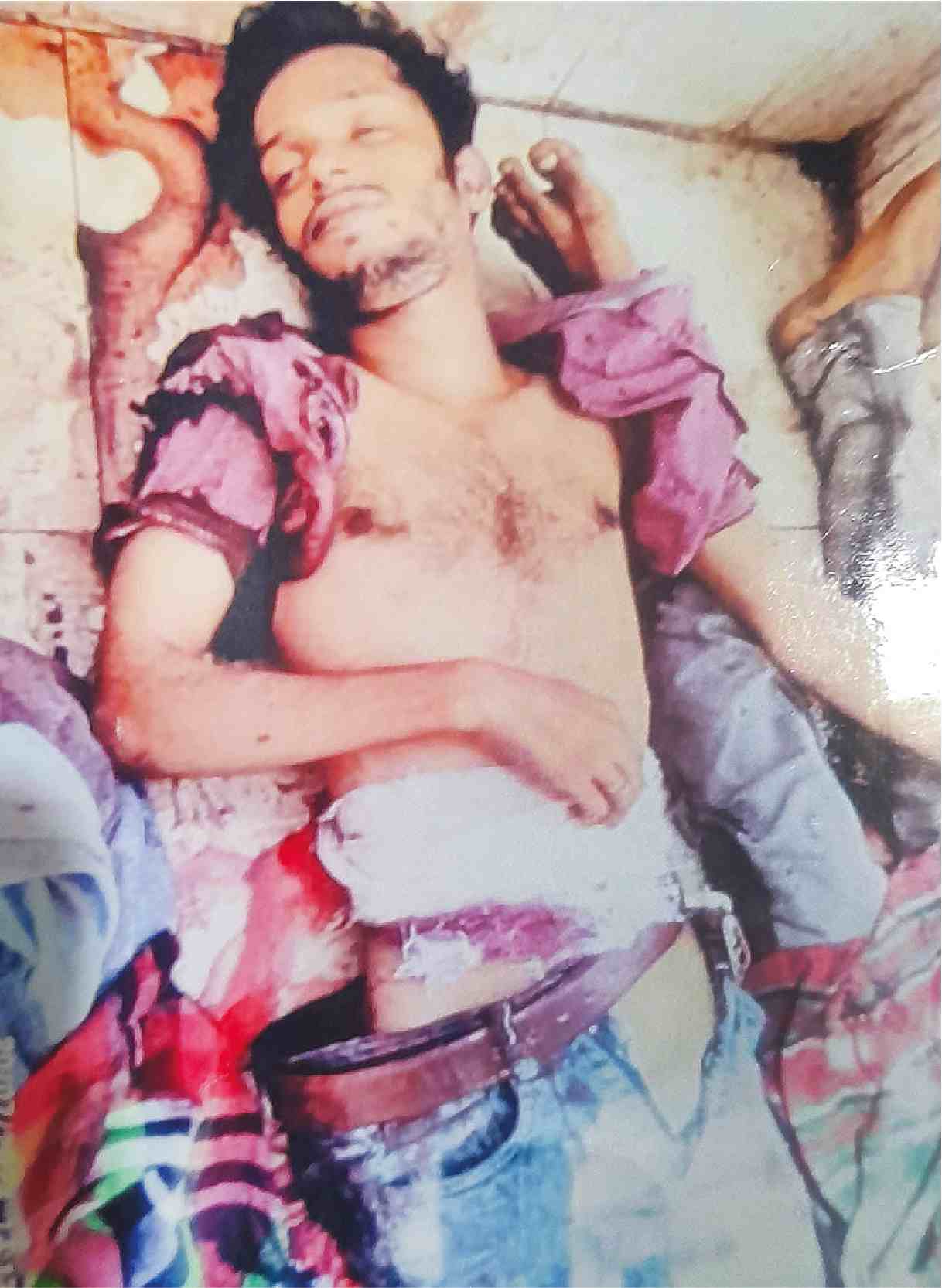
Rakib’s mother was a strong woman. His father was mentally unstable, so she had single-handedly carried the weight of the entire family. Rakib was her only son. She frantically searched for him—until she found him. But not alive. She found her son’s lifeless body in the morgue of Dhaka Medical College Hospital.
Hasina’s police had taken away a grieving mother’s only son to protect her seat of power. Rakib Hossain became a martyr for his country. His body was taken to his grandfather’s home in Jhalkathi, where he was buried in the local graveyard.
Feelings of a Loved One
Rakib’s younger sister, Tamanna Akter, a fifth-grade student, was drowning in sorrow.
“My brother! Who else in this world can ever replace him? There’s no answer to this question. My brother was so kind, humble, and full of joy. Please pray for him. Please demand justice for my brother’s killers. We are poor—where can we go? Where do we seek justice? Please, let our voices be heard.â€
Shaheed Rakib Hossain at a glance
Name : Rakib Hossain
Father : Chand Mia
Mother : Hashi Akhtar.
Martyr's Family : Mother and two sisters
Permanent Address : Village: Mocha, Union: Komarbhog, Thana: Louhajong, District: Munshiganj
Current Address : House: 317 Area: Anandnagar. Thana: Aftabnagar, District: Dhaka.
Date of Martyrdom : July 19, 2024
Place : Aftabnagar, Rampura, Dhaka
Time : Injured by police gunshot at 12 noon. Died at 2.30 pm the body was found in the
Dhaka Medical Morgue three days later
Burial : Jhalkathi (Maternal Grandfather's House)
Proposals
1. The family will be self-sufficient if a one-time financial grant is given.
2. They can be provided with a monthly allowance.
3. Arranging accommodation is essential.
4. Supporting the education of the younger sister.
Quranic Verse
Never think of those who have been killed in the cause of Allah as dead. Rather, they are alive with their Lord, receiving provision. (Surah Al-Imran 3:169)
Hadith Sharif
The Messenger of Allah (SAW) said, "A martyr will be able to intercede for seventy relatives in Paradise." (Sunan Abu Dawood 2520)
👥 Shaheeds from the Same Division
Dhaka_City


Memorial Photo Gallery