📱 Smart QR Code
Scan to view & share this memorial biography directly.
🌹 Prayers
Click to send your sincere respect and prayers for this hero
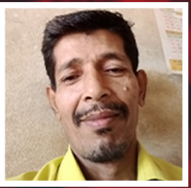
Babul Howlader
📅 Date of Birth
3 February, 1972
🕊️ Date of Martyrdom
28 July, 2024
🗺️ Division
Dhaka_City
📍 District
Munshiganj
👤 Short Biography
Profession: Painter
Place of Martyrdom: Dhaka Medical College
Incident Details & Martyrdom Narrative
whatever I needed,
he gave me everythingâ€
On February 3, 1972, Md. Babul Hawladar was born in the Munshiganj district's Apad village, which is part of the Gaolia Union. The martyr's mother is Sufia Begum, while her father is Jabed Ali Hawladar. The father of the martyr worked as a day worker. The mother is also a complete housewife. The family's situation was already appalling as a result. The martyr's sister became quite unwell after his parents passed away. Shaheed Babul Hawladar sold his ancestral estate and made his way to the capital after being forced to pay for his only sister's medical bills.
Experience of the Mechanized City
Patriot Howlader began living with his beloved wife in a one-room rented house in the residential area of Ulan Narkelbag, Rampura, Dhaka city. In his village days, he had learned painting work in an artistic style. Upon arriving in the new city, he continued this work as his profession. He began to face the laborious life of the mechanized city. After some time, his wife, Manowara Begum, gave birth to their first son, Parvez. With the arrival of their only son, the family's dynamics began to change, and an atmosphere of celebration started to prevail in their home.
One by one, they had Hasan and Parveen. The family atmosphere was filled with joy. Gradually, the martyr’s children grew up. Mr. Babul Howlader raised his two sons to become drivers. After a while, he also arranged for his daughter’s marriage. As the two sons started earning, the financial crisis in the family began to ease. Currently, both his sons are working as private car drivers. The household left behind by Martyr Babul Howlader remains lively due to their earnings.
Suddenly, a strong movement for the country's rights erupted, and students and the public took to the streets. This movement had its roots in 1947.
The Struggle for Bangladesh's Independence (1947-2024)
On August 15, 1947, two separate nations—India and Pakistan—were created based on religion. On January 4, 1948, a controversial chapter unfolded with the formation of the student political group, Chhatra League. On March 24, 1948, Mohammad Ali Jinnah declared that Urdu would be Pakistan’s state language. This sparked protests from a segment of students at Dhaka University’s Curzon Hall. On February 21, 1952, a general strike was declared. To suppress the strike, section 144 was imposed around Dhaka University and surrounding areas. However, the students defied the ban and attempted to march towards the East Bengal Legislative Assembly. The police responded with batons and gunfire, resulting in the deaths of Abul Barkat, Rafiquddin Ahmed, and Abdul Jabbar, while Abdus Salam died later in the hospital.
On February 21, 1953, thousands of people gathered at a memorial near Dhaka Medical College to pay respects to the martyrs. In 1956, Bengali was recognized as the state language in the Constitution. On February 21, 1963, the Central Shaheed Minar was officially inaugurated by language martyr Abul Barkat’s mother, Hasina Begum. On February 5, 1966, the Six-Point Movement was presented.
In 1969, Pakistani President General Ayub Khan imposed military rule and transferred power to General Yahya Khan. On March 2, 1971, the first flag of independent Bangladesh was raised in front of Dhaka University's Fine Arts Building, breaking curfew. On March 7, 1971, at Racecourse Ground, Sheikh Mujib declared, “This struggle is for our liberation. This struggle is for our independence.â€
On March 25, 1971, Operation Searchlight was conducted by Pakistani forces to suppress opposition, and on March 26, 1971, Bangladesh declared its independence. The war for liberation continued until December 16, 1971, when victory was celebrated nationwide.
In 1975, Sheikh Mujib’s government was overthrown, and on August 15, 1975, he was killed. Major General Ziaur Rahman became the president in 1977. In 1982, Hussein Muhammad Ershad declared martial law and became the Chief Martial Law Administrator. In 1986, he organized elections, won, and continued in power until he was ousted by a massive people’s movement in 1990.
In 1991, BNP leader Khaleda Zia took power with a majority in the fifth national election. In 1996, she handed over power to former Chief Justice Habibur Rahman as head of a caretaker government. In 1996, Sheikh Hasina became the Prime Minister for the first time. In the October 2001 election, Khaleda Zia returned to power. In January 2007, a military-backed caretaker government took over, and in 2008, Hasina’s Awami League returned to power.
On May 5, 2013, in Shapla Chattar, thousands of students and the public were killed by police and Awami terrorists under Sheikh Hasina’s rule. In 2014, she was re-elected for a third term after rigging ballots, and opposition parties, including BNP, boycotted the elections.
In 2018, Hasina won her fourth term through election fraud. On July 29, 2018, two students were killed by a bus in front of Rameez Uddin Cantonment College, sparking a protest known as the Safe Roads Movement. Protests were violently suppressed by Awami cadres armed with domestic weapons.
In 2024, Sheikh Hasina stole the election again, claiming a fifth term. However, her authoritarian regime could not survive this time. Forced to flee, she escaped the country to save her life.
The Uprooting of the Dictatorship
In July-August 2024, protests against inequality spread across the country. Students blocked roads and raised their demands. In response, the then authoritarian Prime Minister Sheikh Hasina directly fueled the movement’s repression. She instructed her party's student wing to attack protesters with sticks, machetes, and firearms. Police were ordered to fire tear gas, rubber bullets, and live rounds. The violence was led by Interior Minister Asaduzzaman Khan Kamal and former DB chief Harun. Despite these obstacles, students continued their struggle. In these protests, students and working-class people suffered the most casualties.
How Martyr Babul Howlader Died
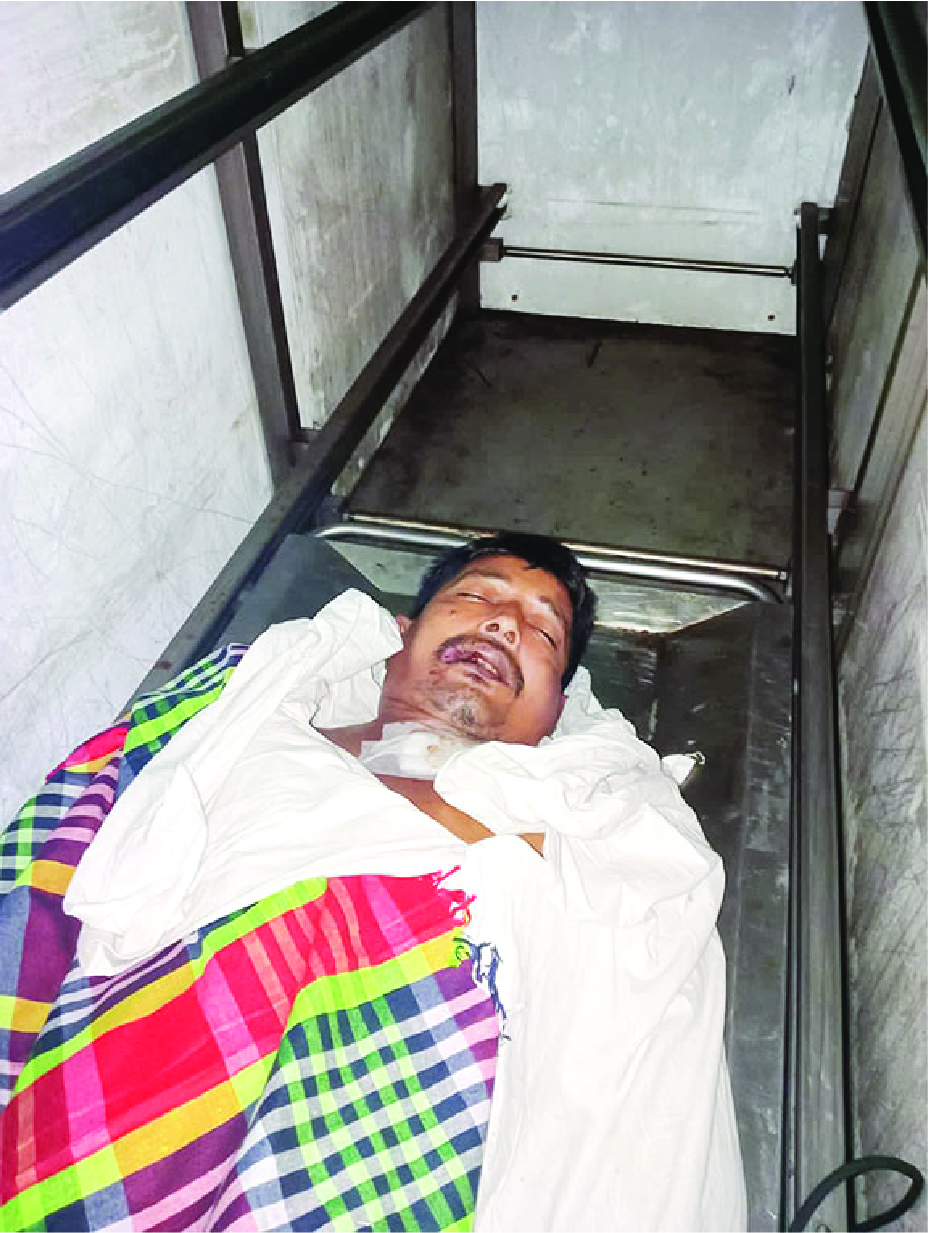
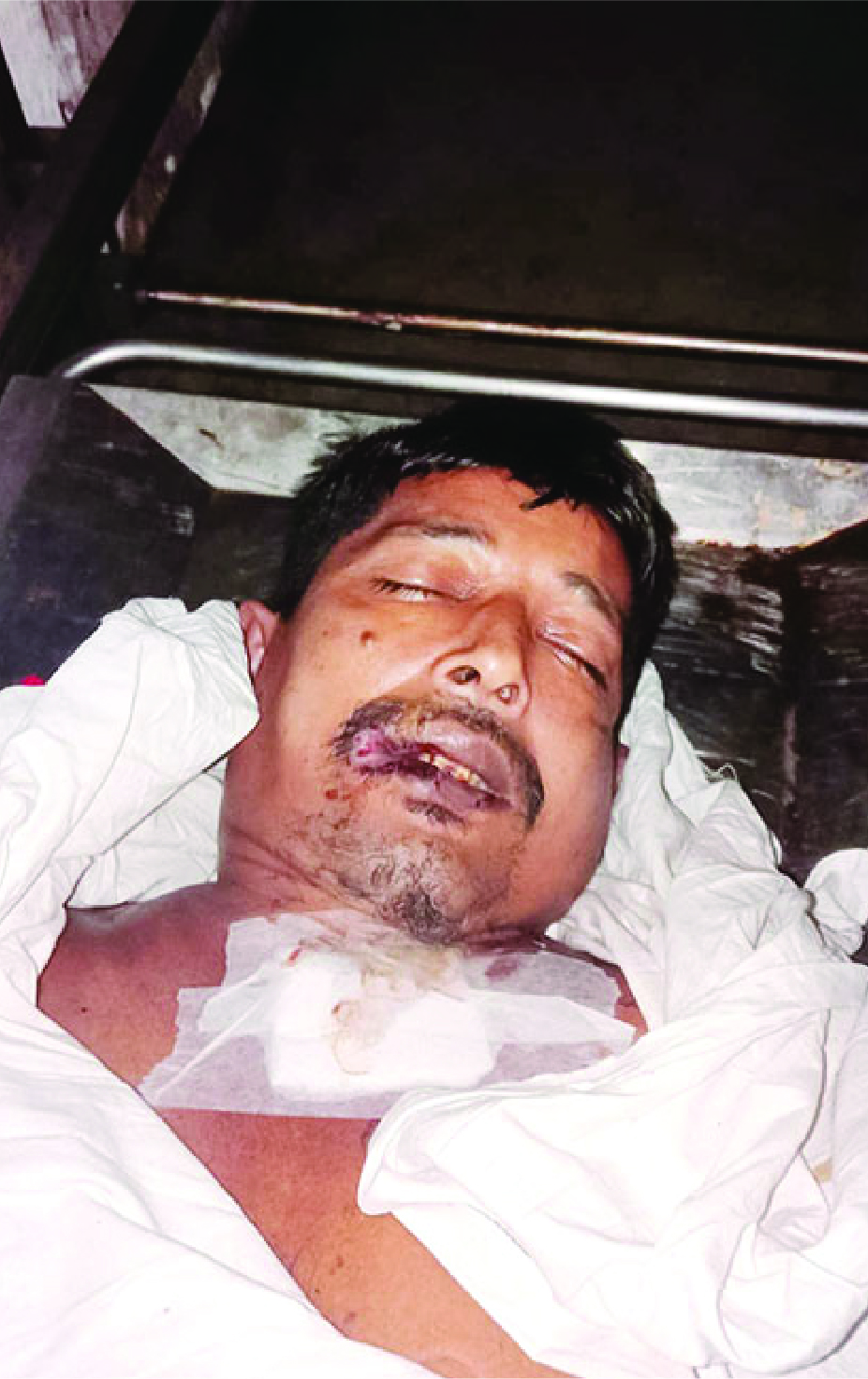
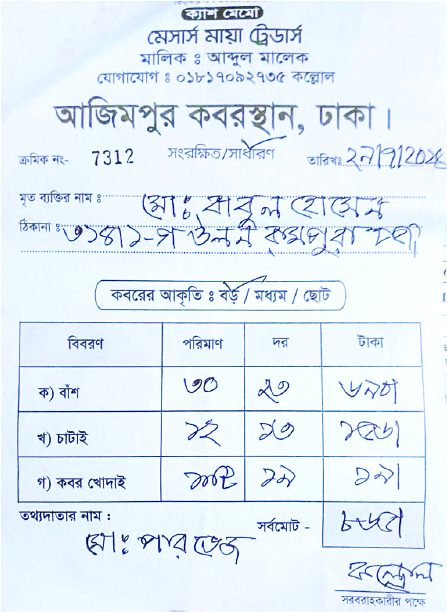
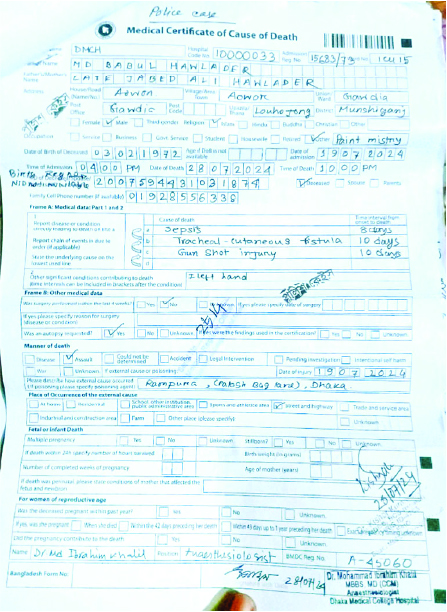
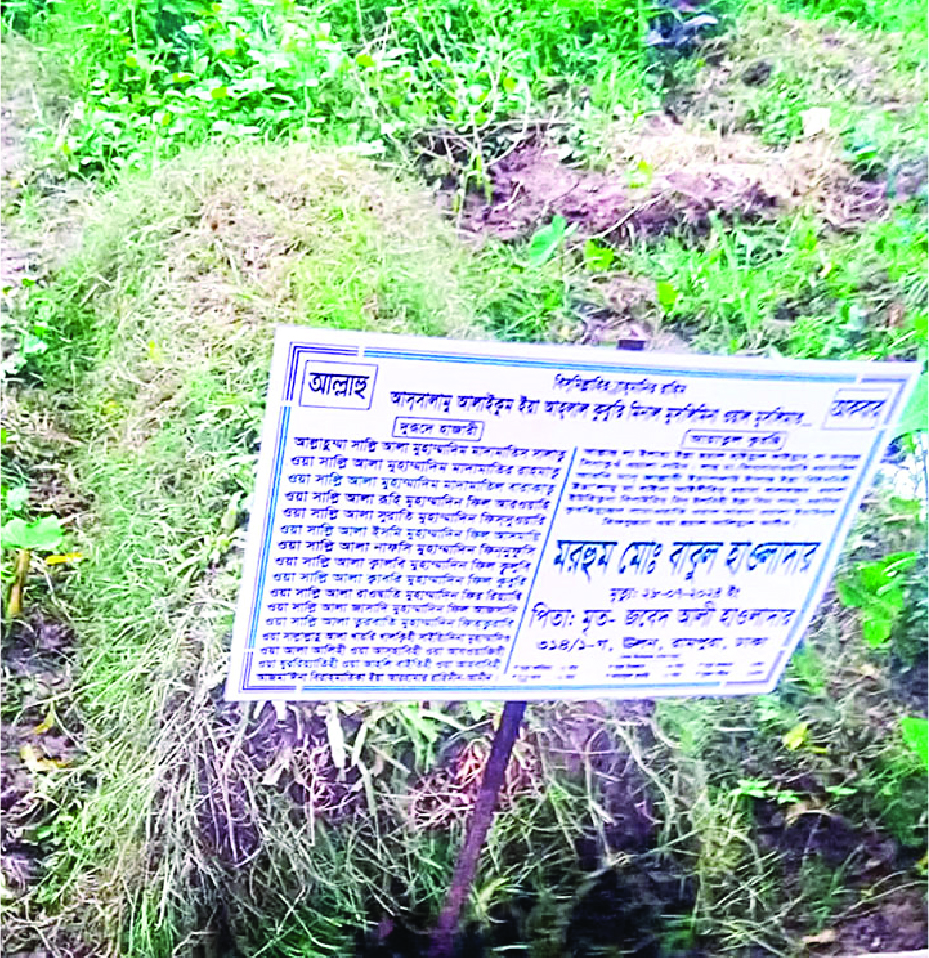
The people of the country rose up against the Sheikh Hasina regime’s quota system. Martyr Babul Howlader joined the protest march on July 19, 2024, with his eldest son. The march started from Palashbag and was heading towards Rampura when police opened fire. While Parvez, his son, managed to escape, Babul Howlader was shot by the police. He was critically wounded and groaned in pain. He was taken to Dhaka Medical College Hospital. After eight days in the ICU, Martyr Babul Howlader passed away on July 28. His body was later buried in Azampur Graveyard after a funeral.
Evidence of the Incident
The martyr’s brother-in-law, Saju Bepari, stated, "My brother-in-law, Martyr Babul Howlader, was shot in the left hand and near the neck on July 19, 2024. We admitted him to the hospital in such critical condition. After nine days of treatment in Dhaka Medical College, he passed away on the night of July 28 at 8:20 pm."
Allah Almighty says in Surah Tauba: 111:
“I have purchased the life and wealth of the believers in exchange for Paradise.â€
At a Glance: Martyr Mohammad Babul Howlader
Name : Mohammad Babul Howlader
Profession : Painter (Color Mixer)
Date of Birth & Age : 03-02-1972, 56 years
Date of Martyrdom : 28-07-2024, 8:20 PM
Place of Martyrdom : Dhaka Medical College Hospital (Dhamek)
Burial Place : Azimpur Graveyard
Permanent Address : Village: Apur, Ashali Char, Upazila: Louhajong, District: Munshiganj
Father : Jaber Ali Howlader (deceased)
Mother : Sufia Begum (deceased)
Wife : Manowara Begum
Home and Property Status : No ancestral home or farmland
Children Details : Two sons and one daughter. Both sons are private car drivers, and the daughter is married.
Proposal
The martyr's family is in need of housing. They do not have a permanent residence or land.
o cover the martyr's medical expenses, the family has fallen into debt.
Assistance could be provided to pay off the debt, which amounts to 50,000/- Taka.
3. Monthly financial support could be provided to the martyr's wife.
Quranic Verse
Never think of those who have been killed in the cause of Allah as dead. Rather, they are alive with their Lord, receiving provision. (Surah Al-Imran 3:169)
Hadith Sharif
Abu Huraira (RA) reported: The Messenger of Allah (SAW) said, "Whoever sincerely asks Allah for martyrdom, Allah will grant him the status of martyrs." (Sahih Muslim 1888)
👥 Shaheeds from the Same Division
Dhaka_City

Memorial Photo Gallery