📱 Smart QR Code
Scan to view & share this memorial biography directly.
🌹 Prayers
Click to send your sincere respect and prayers for this hero
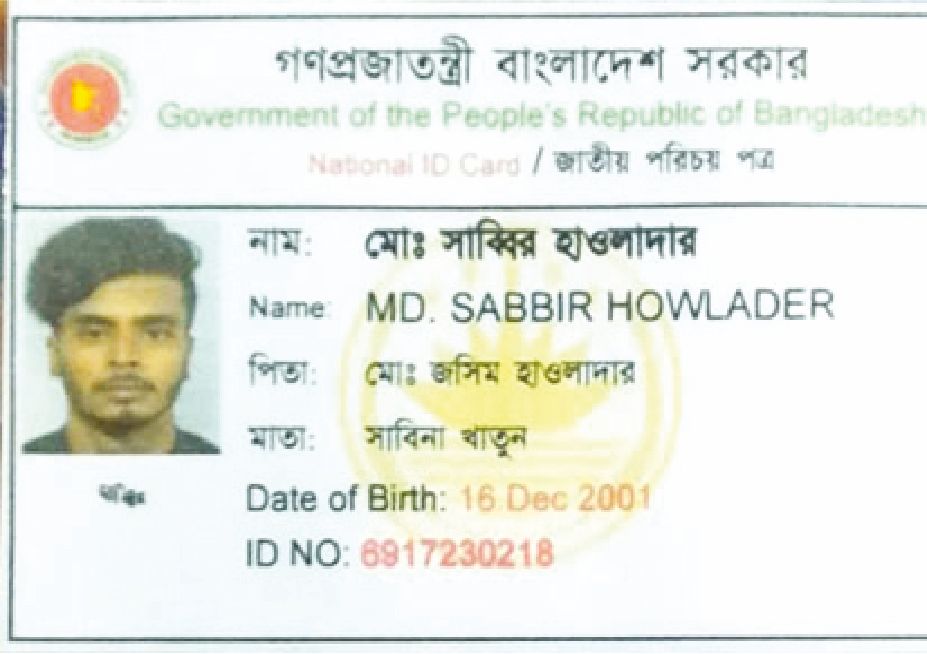
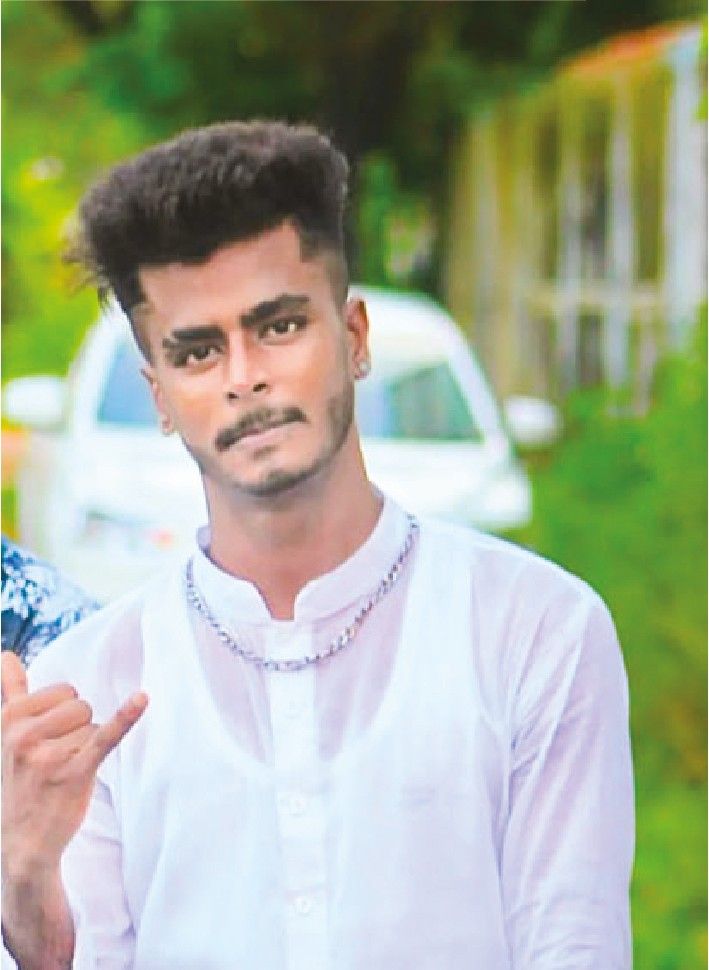
Md. Sabbir Hawlader
📅 Date of Birth
16 December, 2001
🕊️ Date of Martyrdom
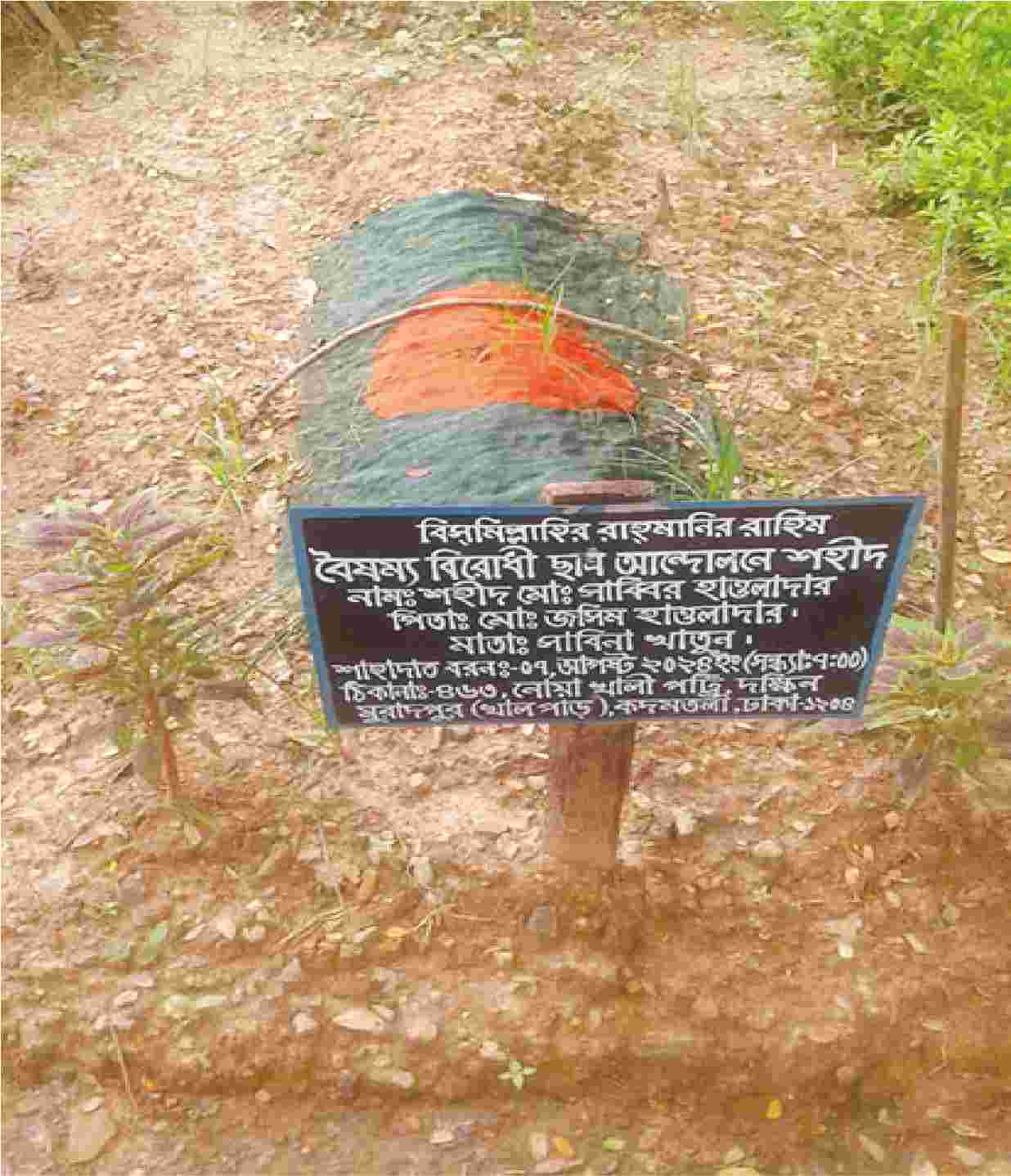
7 August, 2024
🗺️ Division
Dhaka_City
📍 District
Dhaka
👤 Short Biography
Occupation: Worker
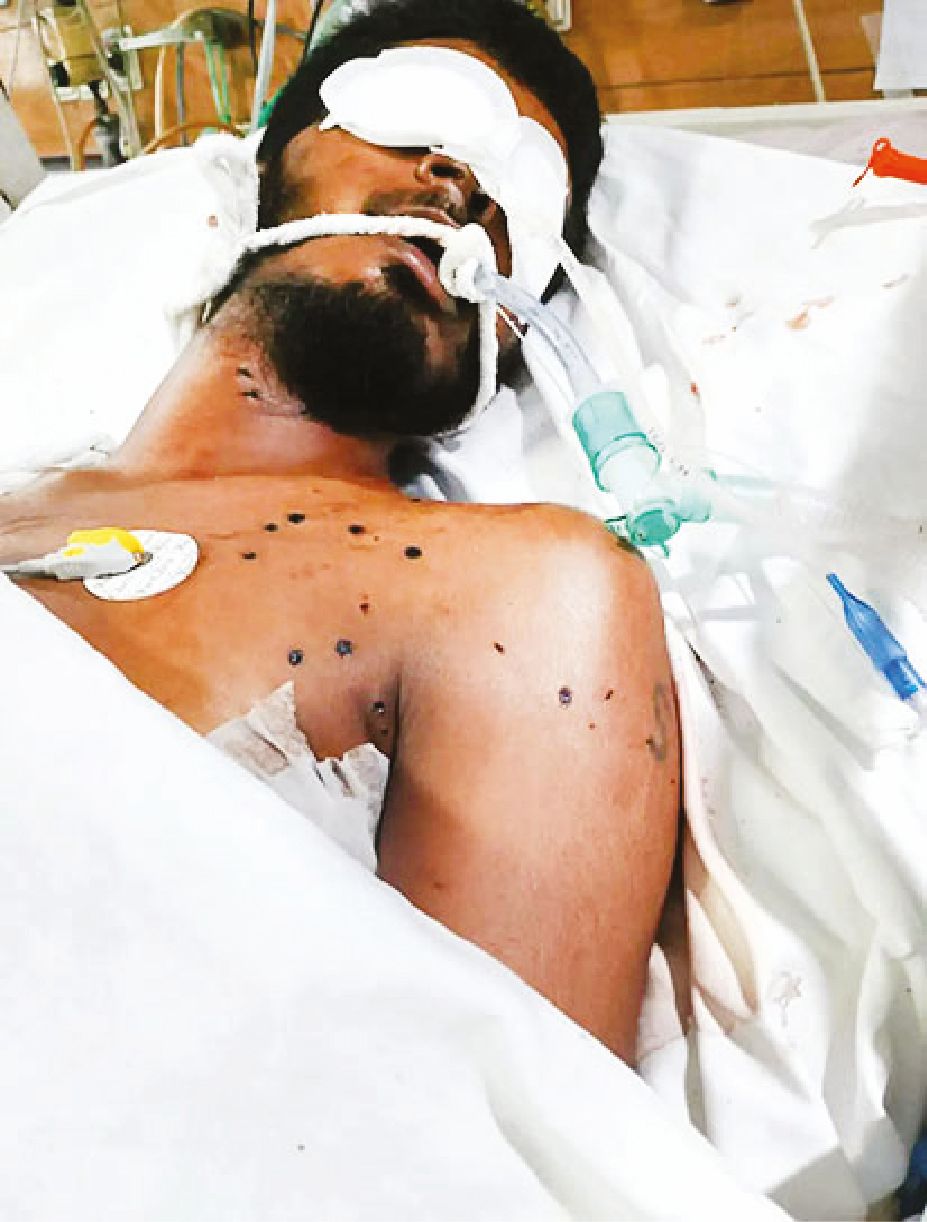
Place of Martyrdom: Dhaka Medical College Hospital (DMCH).
Incident Details & Martyrdom Narrative
Economic Condition
Sabbir Hawlader was a laborer by profession, born into an extremely poor family. They do not have a homestead or farmland in their village, so they lived in a slum in Jurain, Kadamtali Police Station, Dhaka, for the sake of livelihood. His mother, Sabina Begum, earned a small income by cooking in a mess, which she used to raise her children. Sabbir Hawlader's father remarried long ago and has no contact with them. Seeing his mother's backbreaking labor and indescribable sorrow, he also started working. He worked as a laborer in a workshop. His younger brother is trying to help a little more by driving a rickshaw. Meanwhile, Sabbir Hawlader married Meghla. Meghla and Sabbir's only daughter is only one month old. This little child has become fatherless with Sabbir's death. She may never remember her father's loving touch. His 18-year-old wife, Meghla, has become helpless after losing her beloved husband. And Sabbir Hawlader's mother cannot overcome the grief of losing her son.
Incident Description
Throughout the month of July, the people witnessed various incidents across the country, including Awami League's rampage, torture, arrests, and killings of students and citizens, centered on the anti-discrimination student movement. Towards the very end of July, ordinary students presented a nine-point demand, which turned into a one-point demand on August 3. And that one-point demand was the resignation of the killer and fascist Hasina. A new revolutionary wave was created again across the turbulent country. In that context, protest marches were held in the capital and across the country the next day. Police, BGB, and Awami terrorists, supported by the autocrat Hasina, shot students. On that day, 130 students and citizens were killed across the country.
On the morning of August 4, Martyr Sabbir Hawlader left home after asking his mother for khichuri. On August 1, Sheikh Hasina banned Jamaat-Shibir, which was involved in the anti-autocratic movement, and on August 4, she planned to carry out genocide. Across the country, brave students and the public attacked with all the dangerous weapons of the battlefield. Sabbir was aware of the movement. He knew that the people of the country would not be liberated unless Sheikh Hasina was ousted. From such understanding, he came to join the movement at 11 am. He was injured by police bullets in the Kajla area amidst the heated situation. He was taken to Dhaka Medical College from there. At the hospital, thousands of people were lying on the floor in injured condition, all of whom were protesters. There was a cry like the plains of Karbala all around! On the orders of the fascist Hasina, they were denied treatment. As a result, they were dying on the hospital floor. Sabbir Hawlader was one of them. He died due to lack of treatment after being admitted to the hospital for two days. Sabbir heard the news of victory. But the pain of the bullet wound seemed to dim the joy of victory. He was martyred at six o'clock in the afternoon on August 7. After the funeral, he was buried in Jurain graveyard.
Personal Information of the Shaheed at a Glance
Full Name: Md. Sabbir Hawlader
Father's Name: Jasim Hawlader
Mother's Name: Sabina Begum
Family Members:
1. Wife (Meghla)
2. Daughter (Shehzah Muntaha, Age: 1 month)
3. Brother (Jewel - Rickshaw Puller)
4. Mother
Address: Village: Lalmohan, Police Station: Charfashion, District: Bhola
Current Address: Area: Khalpar, Jurain, Police Station: Kadamtali, District: Dhaka
Place and Date of Injury: Kajla, Dhaka (4/8/2024)
Attacker: Police
Place and Date of Death: DMCH, 7/8/2024
Burial: Jurain Graveyard
Proposals for Helping the Martyr's Family
• Arranging a permanent income for the younger brother.
• Taking responsibility for the upbringing of the martyr’s orphan child.
Quranic Verse
And do not say of those who are killed in the way of Allah, "They are dead." Rather, they are alive, but you perceive it not. (Surah Al-Baqarah 2:154)
Hadith Sharif
Abu Huraira (RA) reported: The Messenger of Allah (SAW) said, "Whoever sincerely asks Allah for martyrdom, Allah will grant him the status of martyrs." (Sahih Muslim 1888)
👥 Shaheeds from the Same Division
Dhaka_City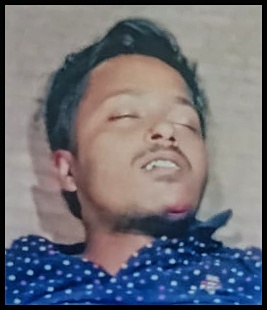

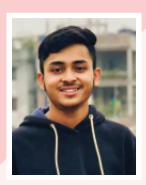
Memorial Photo Gallery