📱 Smart QR Code
Scan to view & share this memorial biography directly.
🌹 Prayers
Click to send your sincere respect and prayers for this hero
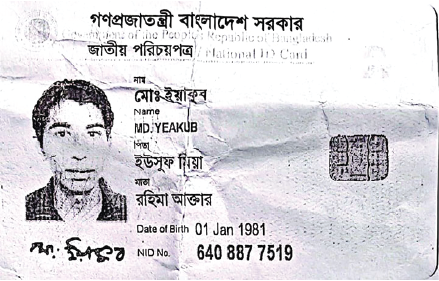
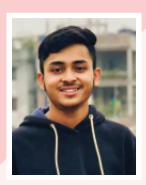
Md. Yakub
📅 Date of Birth
1 January, 1981
🕊️ Date of Martyrdom
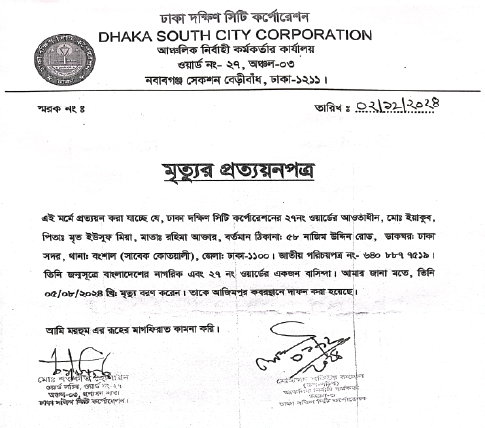
5 August, 2024
🗺️ Division
Dhaka_City
📍 District
Dhaka
👤 Short Biography
Profession: Worker
Place of Death: Bangshal, Dhaka
Incident Details & Martyrdom Narrative
Economic Condition
Dire poverty. After his sister’s marriage, his mother now lives in a cramped corner of her son-in-law’s house, more like a burden than a guest. The room they live in is unfit for human habitation. During the rains, knee-deep water accumulates, leaking through the cracked ceiling, and peeling walls resemble wounded skin. In the heart of the capital city, such a place isn’t shelter—it’s a living graveyard where mothers don't live, they merely survive.
Yakub’s mother once said, “I never imagined I'd be dependent on my daughter’s husband. My son is gone—where do I go now?†These words are simple but soaked in a pain that defies language. Yakub wasn’t employed in an office, didn’t hold any official certificates, nor had institutional validation. Yet in his heart burned a fearless, sacred sense of justice. He couldn’t stay calm upon hearing of injustice. The death of another would make him tremble, and he’d say, “Mother, others' sons are dying. I can’t just sit and watch. I’ll go too.†His mother, choking with emotion, would plead, “If you go, how will I survive?â€
But Yakub wasn’t born just to live by the world’s rules—he was a different kind of fire. He believed, “Allah is watching, and if He’s watching, I cannot stay silent.†So he went. On a sweltering afternoon filled with gunshots and screams slicing through the air, Yakub stood firm. He wasn’t one to retreat. He knew his death would go uncounted, that no media would remember his name—but he believed One was watching. That faith is what made him a martyr.
Today, his mother lives on—carrying a funeral in her soul. There is barely enough food, no money for medicine. Beneath her eyes run dry lines of sorrow, deeper than the void where her son never returns, and no one calls her “Ma†anymore. To the state, Mohammad Yakub is just a number. But to his mother, he was the last reason to live. His blood didn’t just soak into the soil—it became part of a Bengali mother’s soul. As long as that soil exists, so will his name.
The Fire of July: The Movement That Gave Birth to Martyrs Like Yakub
Bangladesh has known much grief and oppression, but July 2024 is a chapter written in red and black bloodstains. This wasn’t just a protest—it was the unmasking of the monstrosity called “State.†Those entrusted with protection opened fire. The student and youth wings of the ruling party—touted as future leaders—became brutal oppressors. Yet, on the streets stood waves of brave souls.
Nobody knew their names or where they came from, but they came—to shield others, to face bullets. The movement began as a call for quota reform, but it wasn't summoned by any Facebook page. It was the roar of centuries of oppression. When a state silences its citizens, those voices erupt like volcanoes. The martyrdom of Abu Sayeed from Rangpur added fuel to this fire. The language of the movement shifted, the core demand transformed. It was no longer just about quotas—it became: “Why must my life be worthless under your power?â€
That’s when Yakubs are born. Yakub was a name like many others. A mother called him “Baba,†a friend called him “Bhai,†but the state labeled him “a dissenter.†He wasn’t a leader or a spokesperson—just an ordinary man with an extraordinary thirst for justice. He would return home quietly at night, eyes weary, heart storming. He would smile when his mother asked questions, hiding a revolution behind that smile.
In those July days, homes became walls of fear. Mothers didn’t know if sons would return. But every morning, they stepped out again, knowing death in solitude was worse than dying in dignity together. This was a language of rebellion born from the womb of oppression.
The state tried to extinguish this fire with bullets, lawsuits, and torture. But they didn’t understand—once someone wakes up with the belief “I too am human,†they can’t be silenced. The July 2024 movement wasn’t owned by any political party or campaign. It was the story of ordinary Bangladeshis becoming extraordinary. From that storm were born the Yakubs—who hung posters in the dark, who painted placards at dawn, who fell to police batons but said, “I’ll return again.â€
Here, revolution didn’t come from a leader’s speech. It came from a mother’s prayer, a child’s battle, a nation’s awakening. As long as this revolution lives in memory, Yakub will live within every silent bullet.
Yakub’s Final Day: A Bloody Morning, A Lonely Evening
August 5, 2024. The day is burned into memory. The blood-soaked tail of July's horror. Every morning carried a new obituary. That morning, protests intensified across Dhaka. Students gathered; gunshots echoed. No one knew that history was about to be written through a mother’s shattered chest and her son’s spilled blood.
At 11:15 a.m., the news spread—“There’s been a shooting, Yakub’s been hit.†His mother was sitting quietly in a corner when her heart suddenly sank. Someone said, “Your son’s been shot,†but didn’t say where, didn’t say what happened. Only their eyes held a silent coffin.
She ran through the streets like a madwoman, searching hospitals. No one helped. The silence around her was more brutal than any truth. She knew—her son was gone.
Then came evening. The home was filled with mourning and cameras. Yakub’s body arrived in a plastic-wrapped bag. No one let the mother touch it. But when she finally did, the body was cold—an unfamiliar chill crept into her soul. She said, “My white dress turned red with his blood. Not just my dress—I bathed in his blood.â€
Neighbors gathered. Media swirled. Cameras wanted her face, but there was nothing left on it—only one cry: “He was my only son. He’s gone. How do I live now?â€
This wasn’t just a son’s death. It was the death of an era, of courage growing in a chest, of fearless protest. The state, sworn to protect, became the executioner. No one asked for justice—not even the mother. She only wished she could hold him and cry one last time. But children of revolution don’t return alive—they come like storms, depart like lightning, and leave behind infinite emptiness. The scent of Yakub’s blood still clings to the soil—a reflection not just of bullets, but of the state's suicidal silence.
"Breathing but Not Alive": The Loneliness of Yakub’s Mother
Today, Rahima Akhter is alone. After her son’s death, she ceased being a mother, ceased being a person—now just a body trapped in memories. Time moves on—cold, indifferent—but everything around her feels frozen. Where once mornings began with “Ma, have breakfast,†now she stares at the wall, at a framed photo of Yakub—fire in his eyes, sweat on his brow, patience on his lips. That photo is more real to her than life itself.
The home is tiny. Water drips from the ceiling. Food is cooked once every three days. She often forgets to eat. Her son was her last support—only earner, only love. That support was stolen by a bullet, a rally, a breathless silence. She says, “I still breathe, but I’m not alive—because no day arrives for me anymore.â€
She now lives as a dependent. Her daughter is there, but in her household, the mother is a burden—costly, time-consuming, a presence to be avoided. The son-in-law says nothing, but she knows—she doesn’t belong. She now understands: when the son is gone, the mother is no longer a mother—she becomes a shadow of the past.
In sleepless nights, she whispers her son’s name—no answer comes. Financial hardship is never spoken of, but even in a broken teacup now lies a buried history. Gas bills pile up, medicines go unbought, the fan barely works. Yet she wants to live—just so that someone might remember her son’s name. She says, “He committed no crime, no treason. He only said, ‘Those dying are someone’s children too. How can I close my eyes, Ma?’â€
That question still echoes in the air. Yakub is gone, but his question remains—staring at us like a burning eye. That eye holds no fire now, only eternal grief that curses our silence. The mother wants nothing—no history, no pictures—only that, before she sleeps, someone might say, “Your son stood for justice, Ma.â€
That fragile wish is the last thread she clings to.
Call to Action and Responsibility
From the depths of conscience, we declare—state, society, and history are all jointly responsible for this martyr. Mohammad Yakub’s sacrifice must not be erased in the cracks of crumbling walls and gray jungles. His mother’s days pass like an unchosen death—slow, silent, and invisible.
Our first proposal: the state must provide Rahima Akhter with permanent shelter. No mother who has lost her only son should live as a burden in her son-in-law’s house. She deserves peace and dignity. Secondly, her family must be granted a monthly honorarium—not as charity, but as a rightful exchange for her son’s blood-soaked sacrifice.
Yakub did not die from bullets alone. He died in the breathless silence of society. And if we remain unconscious today, do nothing, we ourselves will become accomplices in his murder. Our conscience will be cursed.
The responsibility now rests with us—not in silence, but in raising our voice.
At a Glance: Martyr's Information
• Full Name: Mohammad Yakub
• Date of Birth: January 1, 1981
• Father: Yusuf Miah (deceased)
• Mother: Rahima Akhter
• Siblings: One sister, Mosammat Shahajadi Begum (married)
• Current Family Status: Mother Rahima Akhter resides at her daughter’s house
• Current Address: Holding 58, Nazimuddin Road, Bangshal (formerly Kotwali), Dhaka
• Date of Martyrdom: August 5, 2024, approximately 11:15 a.m.
• Place of Martyrdom: In front of the college near his home; shot dead in the street
• Nature of Injury: Bullet to the head; rear skull blown away
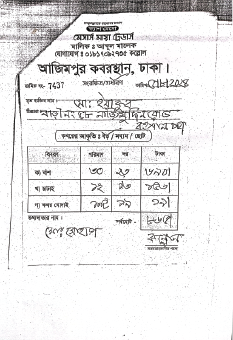
• Burial Site: Azimpur Graveyard; buried in the evening in the presence of media and neighbors
Quranic Verse
And do not say of those who are killed in the way of Allah, "They are dead." Rather, they are alive, but you perceive it not. (Surah Al-Baqarah 2:154)
Hadith Sharif
The Messenger of Allah (SAW) said, "A martyr will be able to intercede for seventy relatives in Paradise." (Sunan Abu Dawood 2520)
👥 Shaheeds from the Same Division
Dhaka_City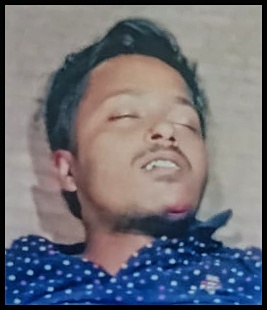

Memorial Photo Gallery