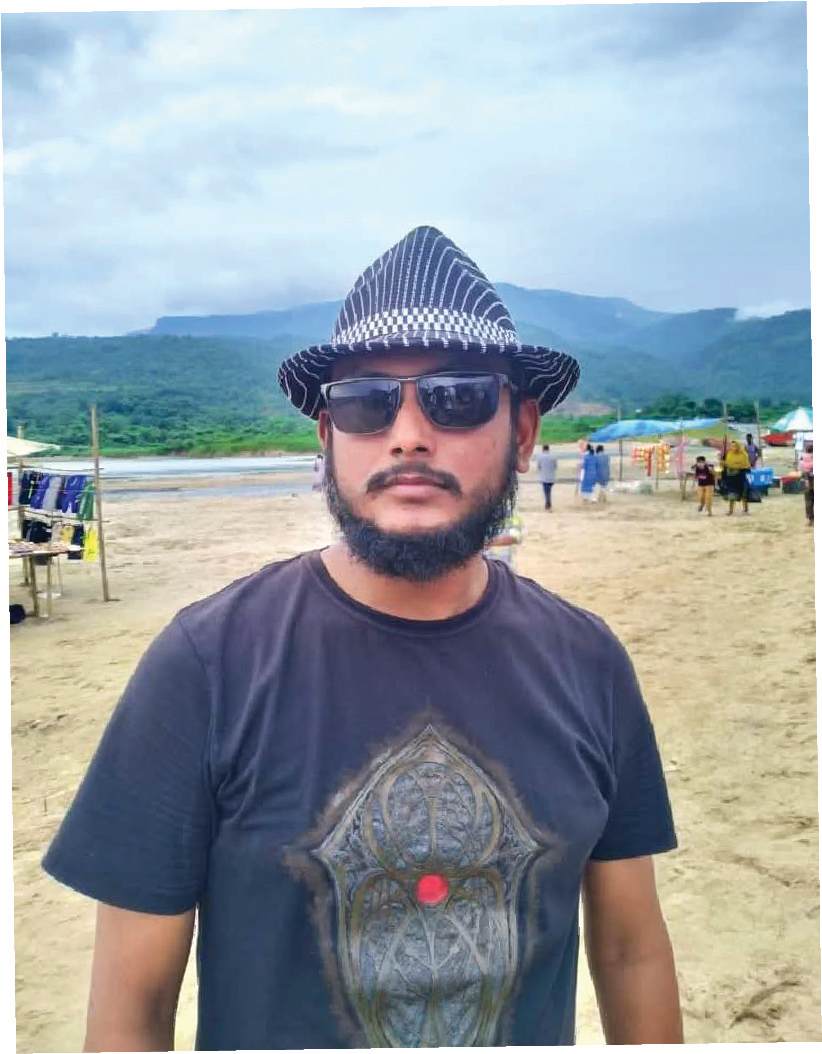
📱 Smart QR Code
Scan to view & share this memorial biography directly.
🌹 Prayers
Click to send your sincere respect and prayers for this hero
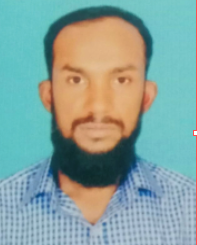
Anwar Hossain Patwary
📅 Date of Birth
1 January, 1995
🕊️ Date of Martyrdom
5 August, 2024
🗺️ Division
Dhaka_City
📍 District
Bagerhat
👤 Short Biography
Occupation: Businessperson (Computer typing services)
Place of martyrdom: Mirpur-10, Azmal Hospital
Incident Details & Martyrdom Narrative
Context of Martyrdom
The autocratic Hasina government came to power in 2008 through election engineering. It was later revealed that Brigadier Sakhawat, who was tasked with overseeing the election process, had reshaped the constituencies in favor of the Awami League, ensuring their victory. Once in power, the regime hanged five individuals who had previously shown great courage in standing against Sheikh Mujib.
In the BDR massacre at Pilkhana, 76 people, including civilians, were brutally killed. The government began forcibly disappearing, abducting, and killing leaders of Jamaat-e-Islami one by one. For detaining dissidents, secret torture chambers known as “Aynaghar†(Mirror Rooms) were created, where righteous individuals were held.
A group called “Mayer Dak†(Mother’s Call) emerged to raise voices for the return of the disappeared sons, fathers, and brothers. On August 5, following the second wave of the independence movement, some detainees were released from the Aynaghar and began to describe the horrifying and grotesque experiences they endured.
Under the directive of Sheikh Hasina, the enforced disappearance and murder of BNP leader Ilyas Ali became known to the public. Jamaat leader and one of Bangladesh’s foremost entrepreneurs, Mir Quasem Ali, was unjustly executed. His son, Barrister Mir Ahmad Bin Quasem Arman, was abducted and held incommunicado for eight years, unaware even of his father's death during his disappearance.
Brigadier General Abdullahil Amaan Azmi, son of former popular Jamaat Ameer Professor Ghulam Azam and a brilliant officer of the armed forces, went missing on August 23, 2016. He was also kept in the Aynaghar for eight long years.
Testimony from a Survivor
Afzal Bin Akram Hossain shared his horrifying experience from Aynaghar on his personal Facebook account. He wrote:
1. “As I already mentioned, I and Mir Ibrahim were in a similar room. In dim light and the unbearable June heat of 2019, we begged for a fan. The person who served our food would slide a fan under the door. Once turned on, it would produce a deafening, splitting noise, and the hot air felt like hundreds of needles piercing our skin.
2. Next to our room on the left was Faruq, who was from Cox’s Bazar and had a jute business in Gazipur. According to Faruq, he had been disappeared for at least five years after a business partner arranged it for just one lakh taka. Since he wasn’t politically involved, no one came to rescue him. He would often say in terror that fish or snakes came out of his rectum, and asked us to recite spiritual verses over water for him. Ibrahim, a Daurah Hadith student, would give him such water in small bottles. After drinking it, Faruq would joyfully say he felt better and believed we were beloved servants of Allah and would soon be released.
3. To our right was Jamal Bhai, who had been held there for one and a half years. Drugs were allegedly planted in his pocket to justify his detention. In the Aynaghar, no matter how long someone stayed—weeks, months, or years—they were kept in the same clothes. No haircuts, no brushing teeth, no proper baths, no hygiene. Ibrahim's teeth turned black, and the skin of others cracked like a snake shedding its skin due to grime and filth.
4. Because of the extreme heat, many prisoners, including Jamal and Faruq, stayed naked. Sometimes I wore only a shirt, sometimes just pants, and when utterly helpless, just underwear wrapped in a blanket. Officials would come with flashlights and masks to inspect our naked bodies—perhaps for sadistic pleasure. We didn’t need flashlights anymore; we had grown accustomed to the darkness and couldn’t even tolerate light.
5. I was always curious to see how dreadful Faruq looked after a year without grooming. But whenever we were taken for interrogation, we were handcuffed from behind and blindfolded, so we never saw each other during these times. Faruq had memorized his family’s contact numbers and begged us to inform his wife that he deeply loved her and their three children, asking her not to divorce him. Jamal had forgotten all numbers due to the torture over one and a half years. Later, even we couldn’t remember Faruq’s numbers due to the same torture. We could only speak when the electricity went out; otherwise, the fan’s heat and noise made even survival unbearable.
6. If you ask what the worst torture was in Aynaghar, we would say that every single moment there was a form of torture that no free life could compare to. No doctors, no treatment. When I became seriously ill, Ibrahim pleaded and managed to get two expired paracetamol tablets. They would pour water slowly over our faces using a wet towel—every breath felt like we were dying. They would tie our hands behind our backs and have two men stand on our arms. They would turn us over and stand on our legs with rods. If our answers didn’t satisfy them, they would pull our hair, slap us randomly, and if they still weren’t pleased, they would kick us in the abdomen and genitals. This continued until the victim was broken to their will.â€
7. The conclusion of the “Aynaghar†ordeal primarily occurred in three ways:
First: To escape such inhumane torture, the victims confined in the Mirror Room would agree to any terms. Taking advantage of this, confessions were extracted under Section 164, from which fabricated scripts were prepared to file new cases and show fresh arrests. As a result, victims were immediately sent to prison cells, preventing them from making any statements to the media. Their alleged crimes were greatly exaggerated by branding them as terrorists or drug offenders. Hemayet and Ibrahim were brought in plain clothes to a counter at Saidabad bus terminal, where a black bag was left. Within ten seconds, plainclothes law enforcement officers appeared, staged a drama, and arrested them. Before the public could understand the situation, their signatures were taken, witnesses fabricated, and false cases were constructed. Similarly, Saiful was released on the street in plainclothes, and within seconds, officers in uniform caused a commotion and arrested him as if they had just caught him. Particularly, those who survived Aynaghar—innocent oppressed individuals and their family members—were condemned to carry the stigma of fabricated terrorist cases by the law enforcement for life. No media outlet, reputable lawyer, influential relative, political party, or human rights organization spoke up for them. In many cases, those imprisoned had to face constant threats from serial killers and genuine terrorists within the prisons.
Second: As mentioned earlier, detainees were never allowed to cut their hair or beard during their months-long confinement in Aynaghar. Before showing arrest or staging crossfire encounters, their hair and beard were trimmed. This created an illusion that they were free, as otherwise, how could their hair be cut? On the other hand, having long hair and beard made it easier to convince the media that they were professional drug dealers or terrorists. During this period, some were shot dead like Ibrahim Azim, with media coverage describing it as a gunfight. Others, like Ilias Ali, were killed by blows to the head, their pregnant bellies cut open, and their bodies disposed of permanently in rivers or the sea. The media never accepted responsibility or questioned such incidents.
Third: The fate of many was like Barrister Arman and General Azmi—meaning they would never come out of Aynaghar alive. This category includes Sajedul, Jamaat leader Waliullah, Moqaddas, and our companions Faruk and Jamal Bhai. Whether these individuals are alive or dead remains uncertain unless they themselves confirm it.
8. What I have written so far is with full responsibility and we can prove its truthfulness. Since yesterday, many victims of Aynaghar have been writing like us. Among them, those who were in the Mohammadpur and Basila law enforcement camps will hopefully agree with our descriptions. To verify every statement, in June-July 2019, we request the officers responsible at the Mohammadpur and Basila law enforcement camps to facilitate a face-to-face meeting with the United Nations and international human rights organizations. Withdraw all false and fabricated cases filed after enforced disappearances, arrest those guilty including Hasina, and urgently recover the still missing. This writing is on behalf of those who suffered inhumane torture in Aynaghar but do not know how to write or speak like us. NetraNews was the first to provide information about Aynaghar.
Like ordinary people, Anwar Hossain also opposed the government’s various discriminatory acts. He protested in some cases. Anwar Hossain was seeking an opportunity to overthrow the autocrat. The anti-discrimination movement gave him this opportunity. He responded to the call for the March for Dhaka program. On August 5, he joined the celebration rally after Hasina fled. While participating in the celebration rally in Mirpur 10 area, he was injured by police gunfire and died shortly thereafter.
Economic Status: Among four brothers, the third brother Zakir Hossain is a diploma project engineer employed by a private company. They have a house and three plots of land in their village.
Feelings Regarding the Martyr:
The martyr’s father said, “What can I say, I cannot express it in words. The country is now independent. If the students had not called for the movement, if they had not jumped into the struggle, the country would not have become independent. Then Khaleda Zia would not have been able to go to London, Tarique Rahman would not have been acquitted of cases, and Babur would not have been granted bail. Because of this anti-discrimination movement, those who have been acquitted and able to go abroad should remember the students. What can I say? I don’t understand you. My heart is aching for my son. Those who died are now neutral. For a few days, they will be remembered, then no one will remember them anymore. Currently, I see no one cares about those who died. People are worried about when the election will be held and when the vote will happen.â€
The martyr’s brother, Abdullah Al Maruf, said, “The day my brother was martyred, I touched him and took an oath. God willing, I will not let his blood go in vain. The masked men are trying to devalue his sacrifice. God willing, I will not allow that.â€
Ten minutes before his martyrdom, Anwar Hossain Patwari wrote on his Facebook: “Sheikh Hasina has left the country; the streets are filled with people’s joy.â€
Summary of Martyr-Related Information
Name: Md. Anwar Hossain Patwari
Date of Birth: [Not provided]
Occupation: Business (Computer Composition)
Father: Md. Al-Amin Patwari
Mother: [Not provided]
Siblings: 4 brothers and 3 sisters
Permanent Address: Graveyard East Area 01, Shehlabunia, Ward No. 03, Mongla, Bagherhat
Current Address: Same as permanent
Place of Incident: Mirpur-10
Attacker: Police
Time of Injury: August 5, 4 PM
Type of Injury: Near kidney, gunshot wound
Date, Time, and Place of Death: August 5, on spot; taken to Azmal Hospital in Mirpur-10
Burial Site: Own village (due to fear of persecution by Awami League for being a devotee of Charmonai Pir, his family was reluctant to provide sufficient information, hence some details are unavailable)
Proposal:
1. Provision of monthly and one-time allowances.
Quranic Verse
And do not say of those who are killed in the way of Allah, "They are dead." Rather, they are alive, but you perceive it not. (Surah Al-Baqarah 2:154)
Hadith Sharif
The Messenger of Allah (SAW) said, "A martyr will be able to intercede for seventy relatives in Paradise." (Sunan Abu Dawood 2520)
👥 Shaheeds from the Same Division
Dhaka_City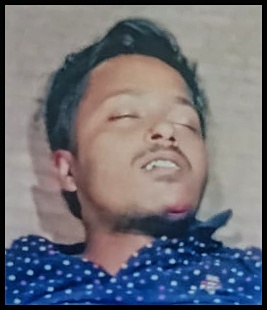

Memorial Photo Gallery


