📱 Smart QR Code
Scan to view & share this memorial biography directly.
🌹 Prayers
Click to send your sincere respect and prayers for this hero
Martyr's Last Words
"অন্যায় দেখে চুপ থাকা কাপুরুষতা। সত্যের পক্ষে দাঁড়াতে গিয়ে মৃত্যু হলে সে মৃত্যুতেই চরম গৌরব।"
📌 সহযোদ্ধাদের সঙ্গে শেষ ফোনালাপে
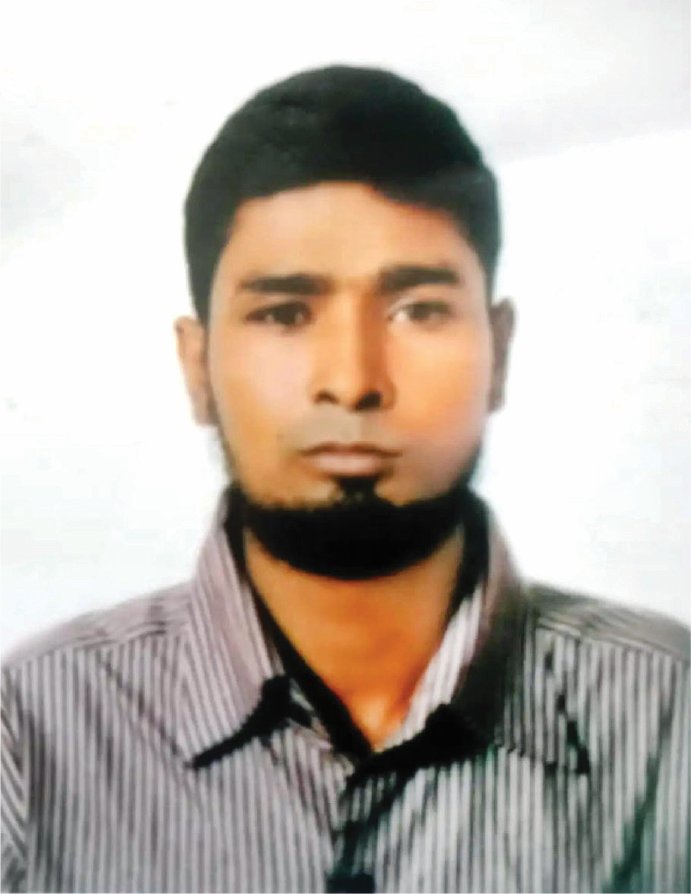
Ali Hossain
📅 Date of Birth
15 October, 1986
🕊️ Date of Martyrdom
19 July, 2024
🗺️ Division
Dhaka_City
📍 District
Dhaka
👤 Short Biography
Profession: Shop Assistant
Place of Death: Dhaka Medical College Hospital (DMCH)
Incident Details & Martyrdom Narrative
Born: October 15, 1986—on a crisp autumn day filled with the scent of sun-warmed paddy fields. The youngest among seven siblings, he was a silent shadow whose smile was a light in the darkness, but whose life was a mountain of relentless fatigue. His father, Idris, worked as a watchman, guarding someone’s door each day. His mother, Mosha Rangmala, was a quiet struggler—a woman who soaked her chest in unshed tears behind the smoke of the cooking fire. It was in this humble home that Ali grew up, nurtured by the scent of earth, the count of pennies, and pure love.
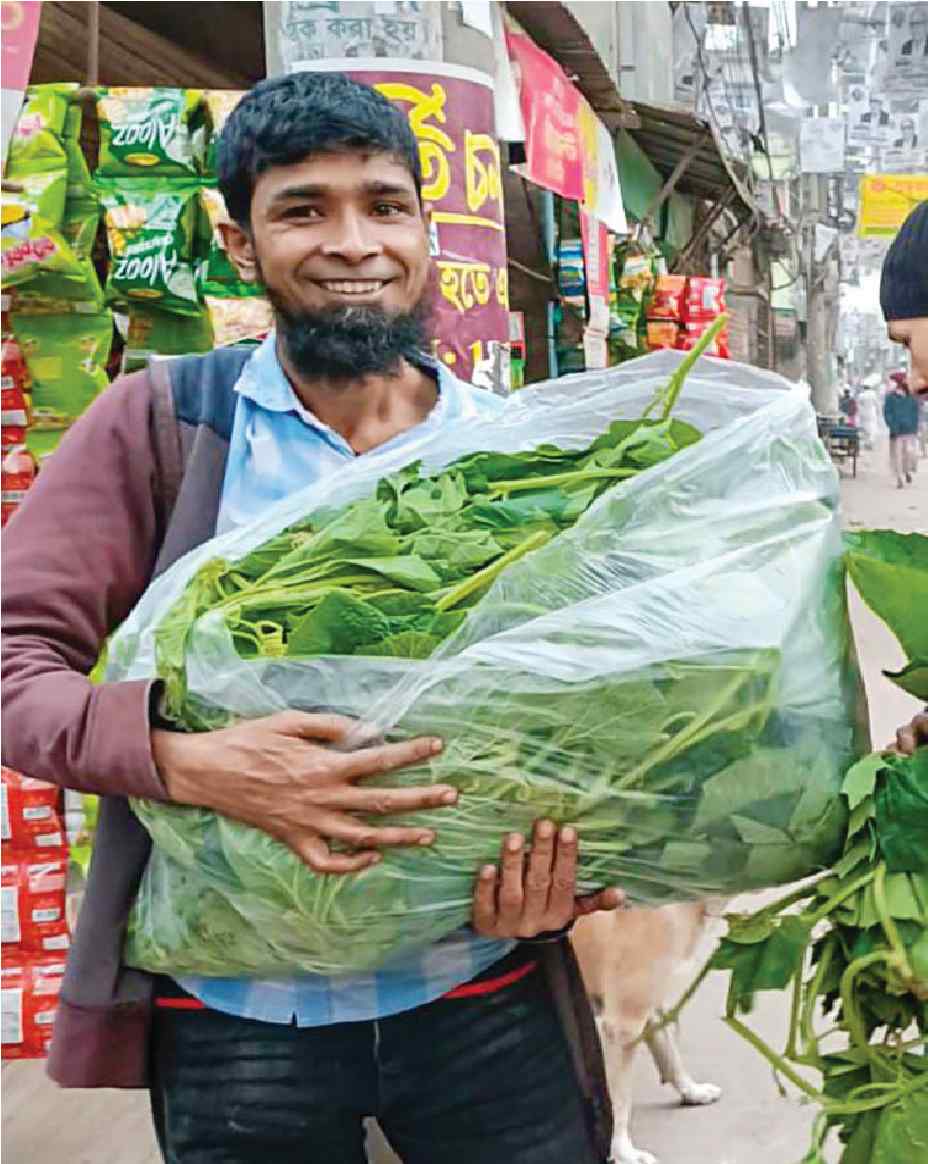
Politics never entered his life. Protests were just stories told over cups of tea, seen only in the evening news accompanied by the comment, “What happened now, brother?†Ali Hossain was a silent, tireless, unnoticed soldier of the working class. In a small corner of Ashrafabad, Kamrangirchar, in Emarat Mia’s house, his family life revolved around his wife and two children. His sons called him “Abbu†and he would say with sweat-drenched pride, “If Abbu gets a good salary, I’ll buy you shoes.†But life never gave him that. It only gave him sun, labor, and silent survival.
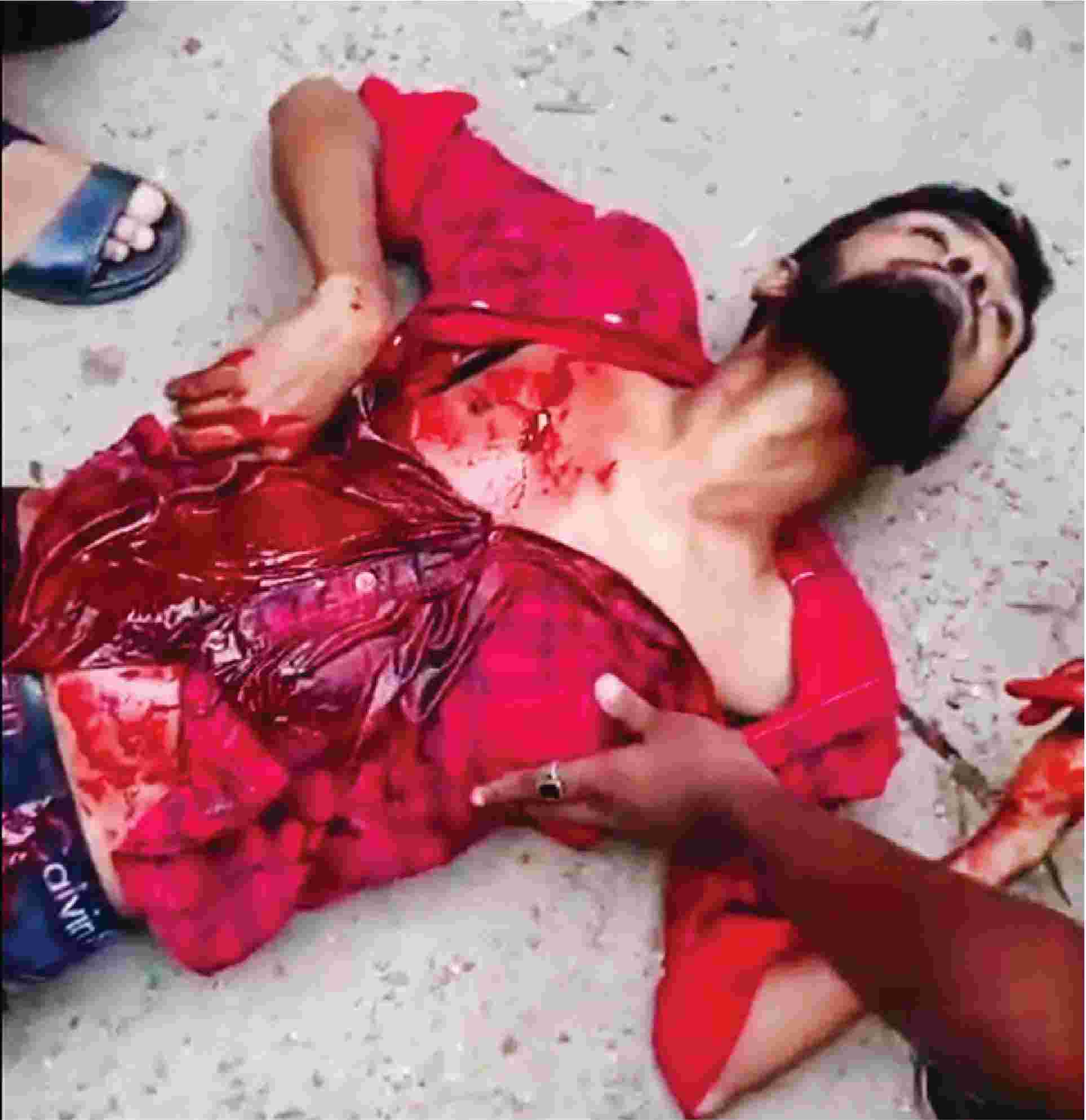
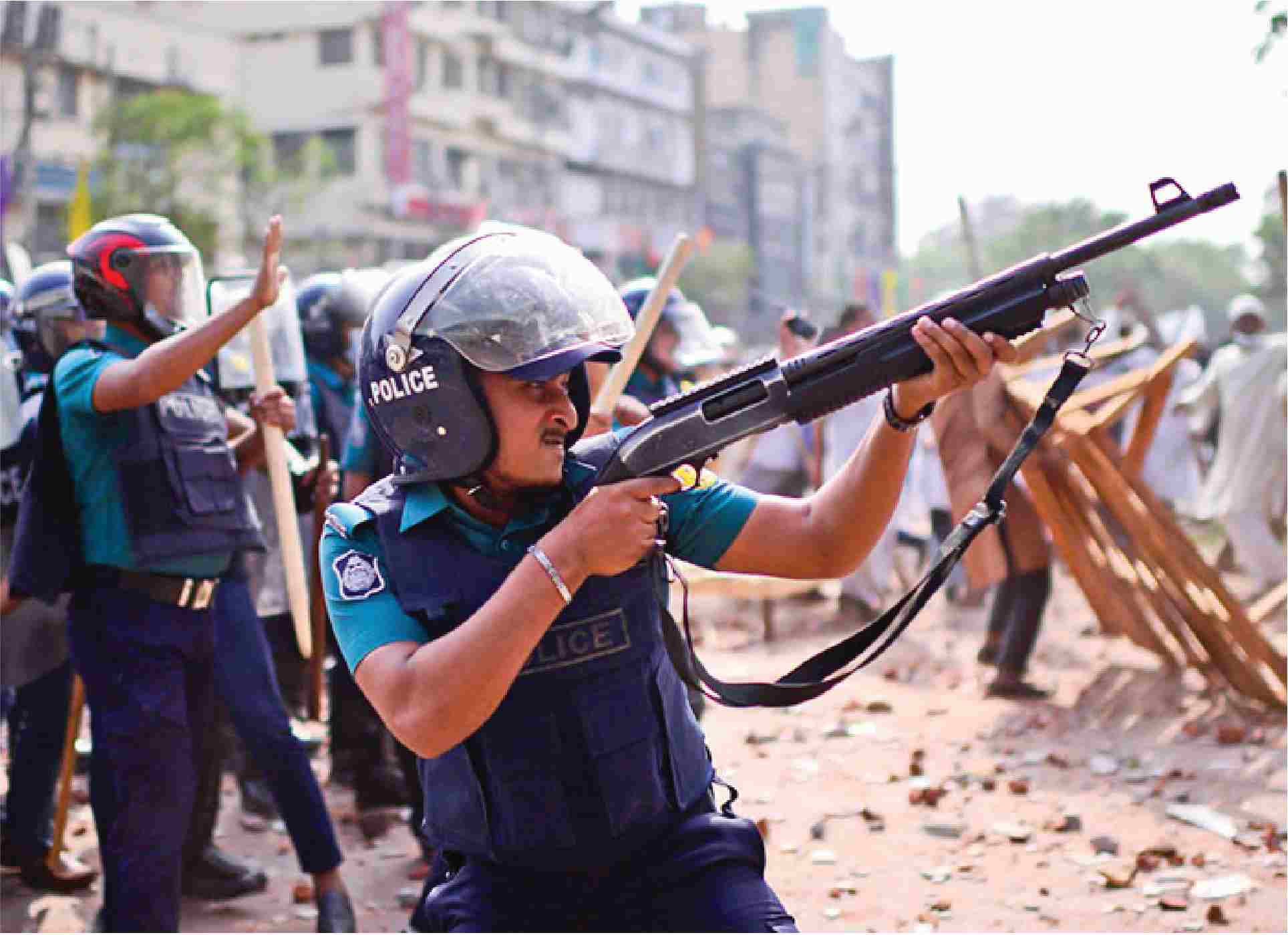
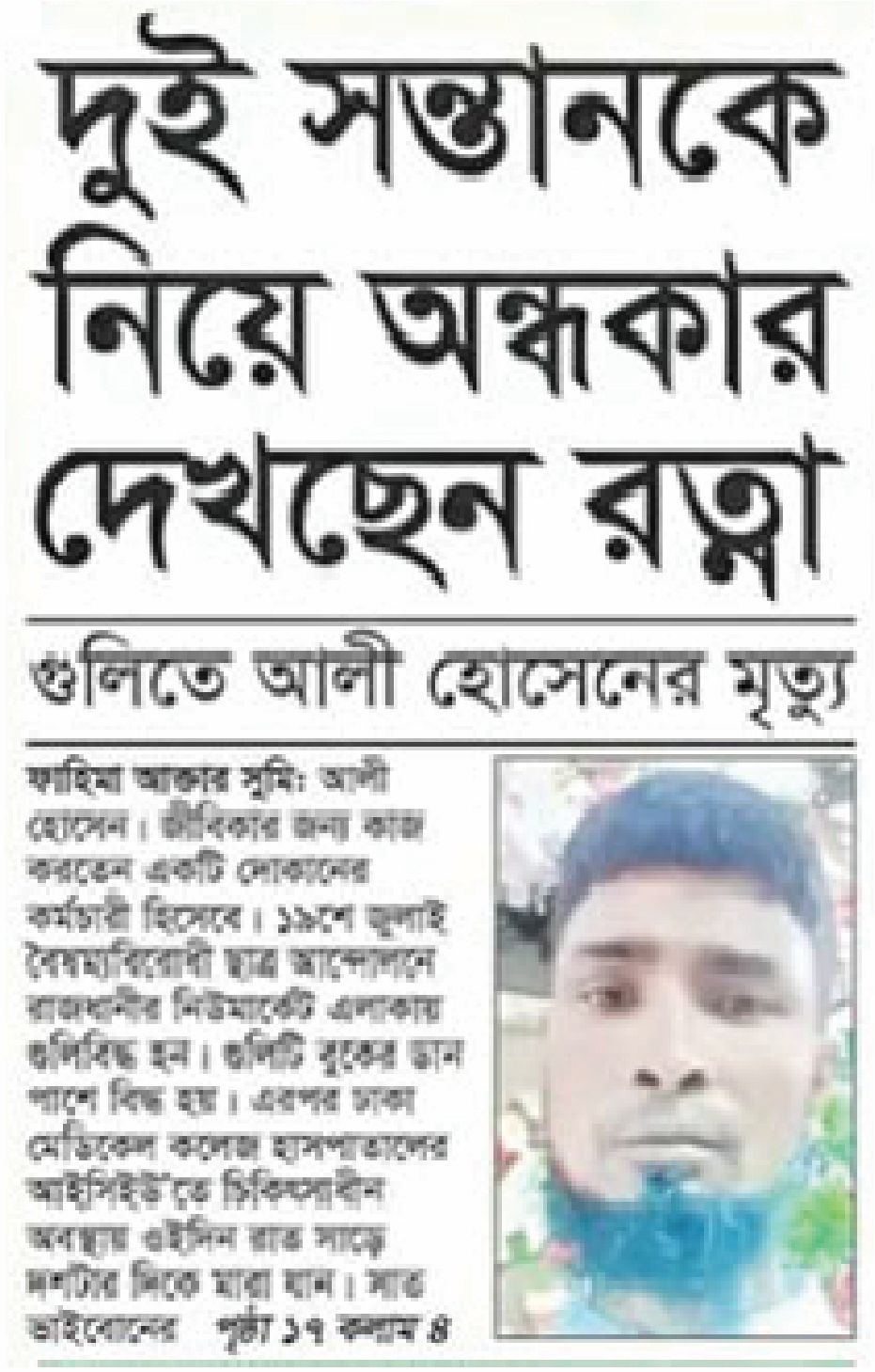
Then came that day—July 19, 2024—a bloody Friday evening. The air of Dhaka was thick with tear gas, streets echoed torn slogans, and alleys trembled to gunshots. Ali Hossain was on his way to work—not at a rally, not under any leadership. He was just going about his daily routine, earning a living for his family. Suddenly, the police opened fire without warning or discrimination. When the gunfire stopped, Ali lay on the ground, marked by bullets and disbelief in his eyes. He left behind a question: “Why me?â€
The state knew he was poor, knew he was no leader—just a number. So the bullet did not fear him. But that bullet did not only kill a man; it shattered the dreams of two children, the security of a wife, and the heart of a mother. It destroyed the peaceful breaths of a home, the calm floating in a cup of tea, and the courage to send children to school.
History remembers Ali Hossain as the silent symbol of this revolution. His blood has mixed with the city’s pavement, becoming a tear-stained curse upon the conscience of the nation. Ali was not a fiery man; he was soft and life-giving like water. And that is why his death raises the hardest question before us today: “Does this state only understand the language of bullets, or does it value human life as well?â€
Context of the Movement
On July 1, 2024, the air seemed to change. It began quietly, like a slow river’s flow. Some students stood with placards, voices raised in demand, eyes burning with determination. They said, “We want quota reform,†but really they wanted more: justice, equality, dignity. This movement was not just about quotas; it was the aspiration of a generation for a rightful life. Where education was a commodity to be bought and sold, they stood declaring, “We are not consumers, we are citizens.â€
From Dhaka to Rangpur, Chattogram to Barisal, fire spread through the body of Bengal. Students didn’t just chant slogans—they ignited their consciousness. New Market became a temporary square of freedom, shaded not by banyan trees but by fear of sticks, police threats, and tear gas smoke. And deep within this fiery city, a tear-soaked evening thickened—July 19.
That night, Ali was there—not a leader in a rally, not a face behind a banner. He was an ordinary man, returning home after a day of hard-earned labor. Perhaps he stopped for a moment to watch, understand, or out of curiosity. But bullets don’t ask questions; they only choose their targets—often the poor.
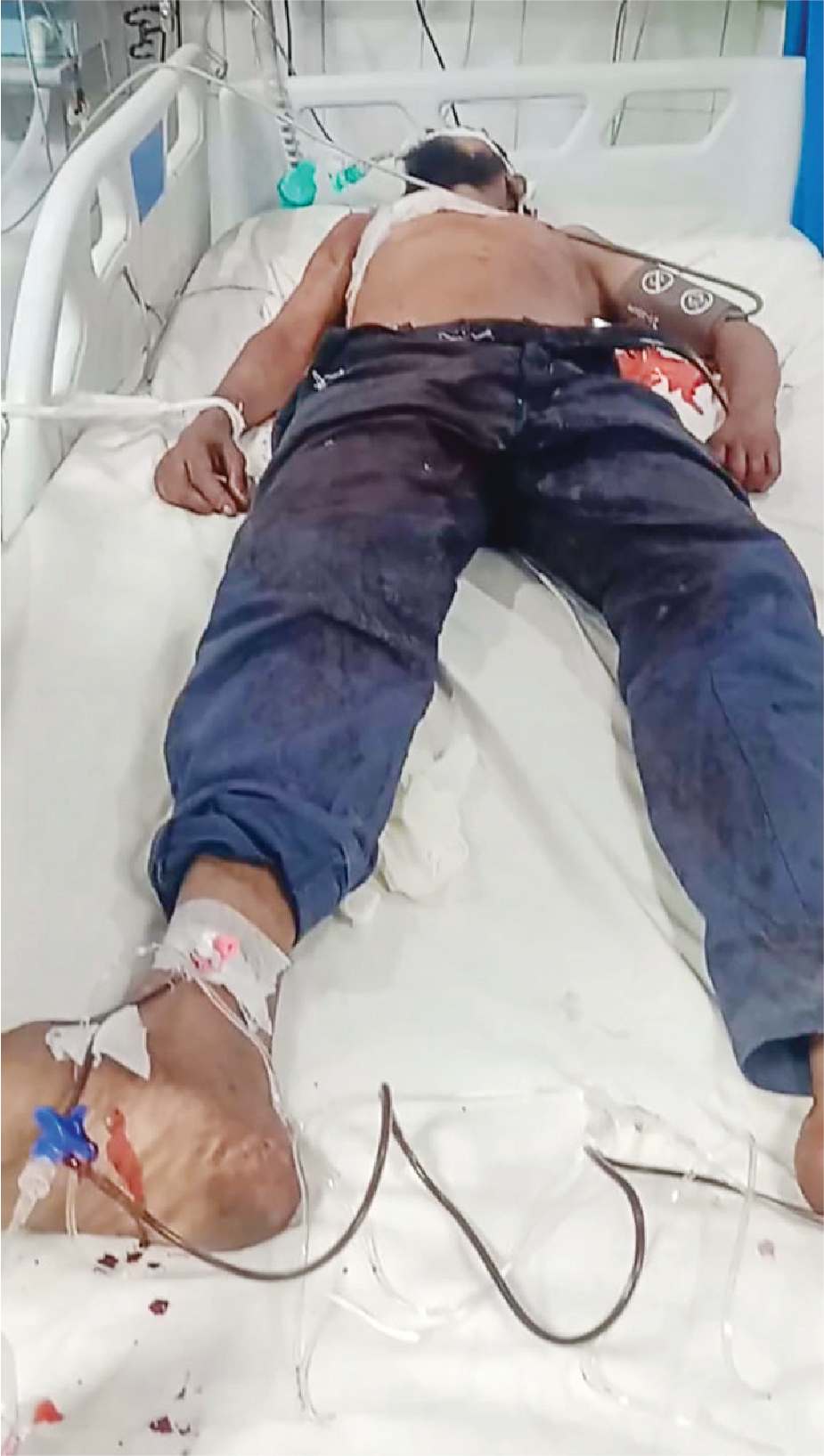
At about 6 PM, near the Number Gate of New Market, a bullet silently entered his right chest. He was rushed to Dhaka Medical College Hospital, but blood flowed like a river from his body. Even the ICU could not bring back his heartbeat. At half past ten that night, he passed away. All that remained in his pocket was some money, an old phone, and shattered dreams.
This death was not accidental. It was the inevitable result of a long-planned oppression. The state wanted fear; the students gave sacrifice. The state wanted control; the students sowed seeds of rebellion. Though the bullet pierced Ali’s body, it also struck our conscience, our silence, and our cowardice. This death was “easy†in the eyes of the state because he was poor, unknown, and not on any party’s list. But revolution writes history with blood—and Ali’s name will be written on those pages.
Today, those who say “He wasn’t part of the movement†forget that revolution is not only on posters. Revolution happens when a hard-working man is drowned in blood by the ruthless indifference of the state. Ali is a silent witness to that revolution, an unintentional martyr whose death points an accusing finger: life has no value here unless you are favored by power.
This movement was not only slogans on students’ lips but the suppressed cries of the poor, the long sighs of the oppressed, and the invisible flags of thousands of destitute people. On those flags is written:
“Ali Hossain, we have not forgotten.â€
How He Became a Martyr: The Endless Hours of an Unacknowledged Death
“Sometimes the state even fears the dead, for the dead speak more clearly than the living.â€
That evening, standing near New Market’s Number Gate, Ali Hossain had no slogans, no banners. Life had drawn him on the path of labor, but death came by another street. At six o’clock, the city trembled to gunfire. Then a bullet struck his right chest—a silent flag waving without wind.
He was immediately taken to Dhaka Medical College Hospital. In the ICU, breaths called for more breaths in vain. His heart stopped beating, but the state’s conscience remained silent. At 10:30 PM, the announcement came: Ali Hossain was no more. There was no trumpet, no prime ministerial statement, no state-arranged farewell draped in flags. For three whole days, the hospital withheld the body. The state’s bloodstained script on his corpse demanded paperwork and shameless permissions before release. As if the bullets had not yet claimed full possession.
Meanwhile, his family broke down. His brother’s eyes filled with red tears, his wife’s face frozen in mute lament, his two sons’ eyes clouded with confusion. His brother said, “What we saw was no movie, but bloodied reality. The city trembled with gunfire, and we seemed to lose to time itself. No one helped, only watched.â€
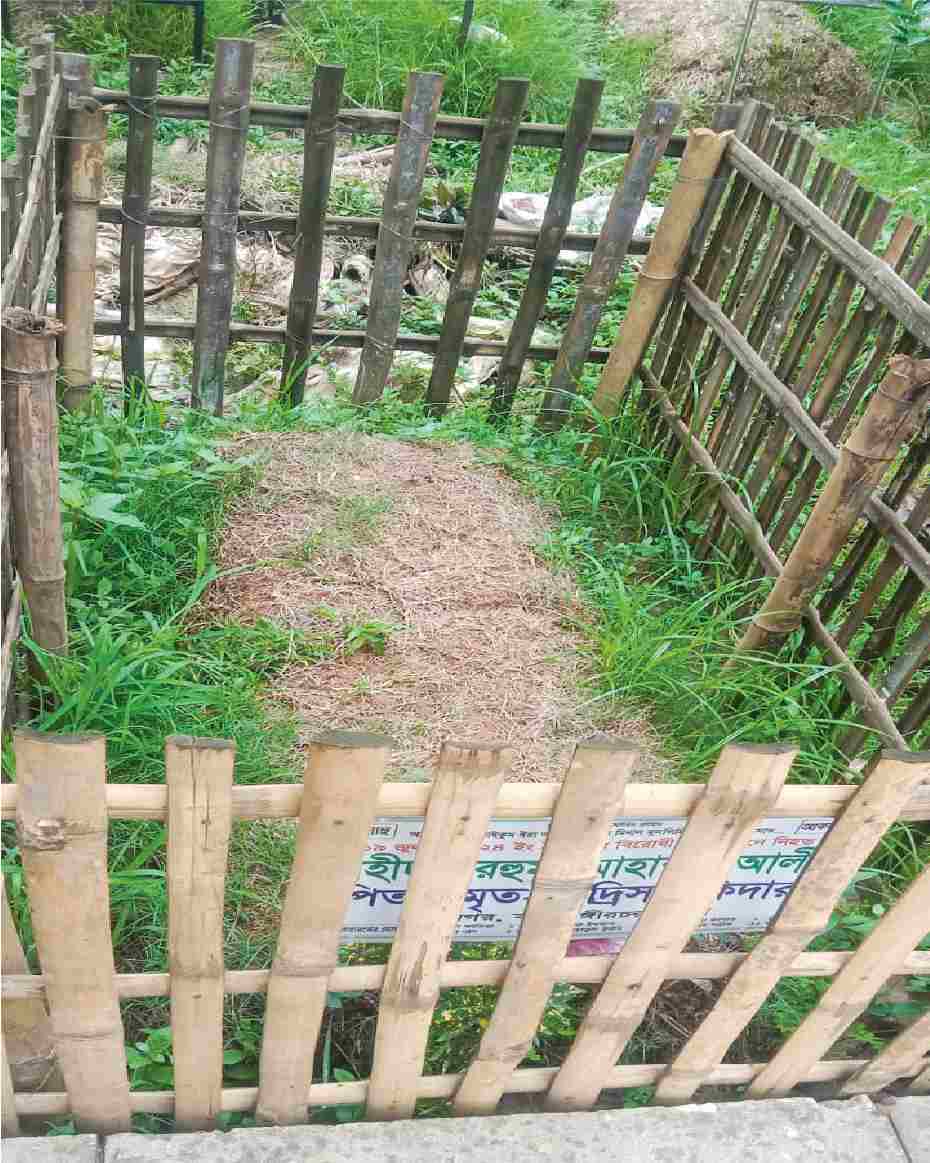
He was buried quietly in Azimpur cemetery—not the end of a life but the erasure of a chapter. No government representative came. No black badge, no tribute, no silent hymn of respect. Only a few people, a few eyes, and the heaviest silence on earth.
He left behind a wife who every day hides her face in her pillow, understanding no one will come at night saying, “Sleep, I’m home.†He left two sons whose first lesson in life may be this harsh truth: poor fathers don’t become “martyrs†in the eyes of the state.
He earned 25-30 thousand taka a month, had no benefits, no leave. Yet he was a light. Today that light is gone. Only a silent, dark home remains—some dry food packets and time that no longer moves, only stops.
Ali’s name is not on posters, not on banners—but in every scar of history, his blood has been spilled. He did not just die; he buried our conscience with him.
Martyr Profile at a Glance
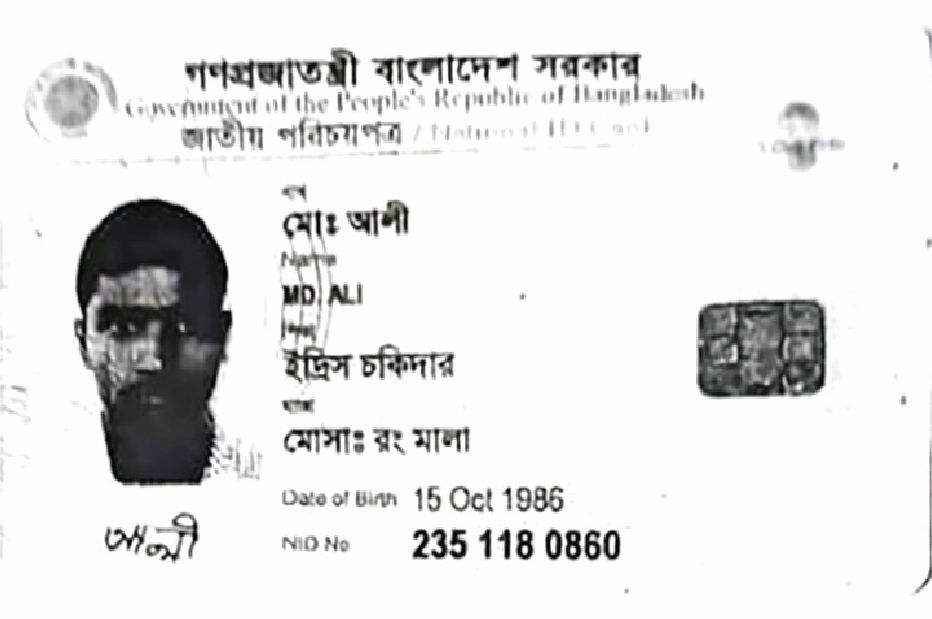
Name: Md. Ali
Date of Birth: October 15, 1986
Occupation: Shop Assistant
Father: Idris Chowkidar
Mother: Mosha Rangmala
Current & Permanent Address: Emarat Mia’s House, Ashrafabad, Kamrangirchar, Dhaka
Family:
• Wife: Ratna (Housewife)
• Two Sons: Ratul (15 years old) and Sayem (7 years old), both were studying at a Hifzkhana
• Due to financial difficulties, Ratul’s education is currently uncertain
• Youngest among seven siblings: Rahima (65), Shamsunnahar (62), Yasin (60), Ali Arshad (57), Ali Akbar (48), and Moyna (35)
• Family’s financial situation is very fragile
Incident Details:
On July 19, 2024, at around 6 PM near Number Gate area of New Market, Dhaka, he was shot in the right side of his chest.
Death & Burial:
He was admitted to the ICU of Dhaka Medical College Hospital, where he passed away at 10:30 PM.
His body was taken out of the hospital three days later and buried at Azimpur Cemetery, Dhaka.
Recommendations
1. One-time financial assistance.
2. Provision of a means for his wife’s self-sustained income (such as a sewing machine).
3. Sponsorship for the education of their two sons.
Quranic Verse
Never think of those who have been killed in the cause of Allah as dead. Rather, they are alive with their Lord, receiving provision. (Surah Al-Imran 3:169)
Hadith Sharif
Abdullah ibn Masud (RA) reported: The Messenger of Allah (SAW) said, "The souls of the martyrs are in the bodies of green birds." (Sahih Muslim 1887)
👥 Shaheeds from the Same Division
Dhaka_City

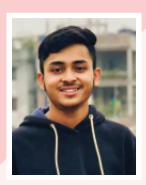
Memorial Photo Gallery