📱 Smart QR Code
Scan to view & share this memorial biography directly.
🌹 Prayers
Click to send your sincere respect and prayers for this hero
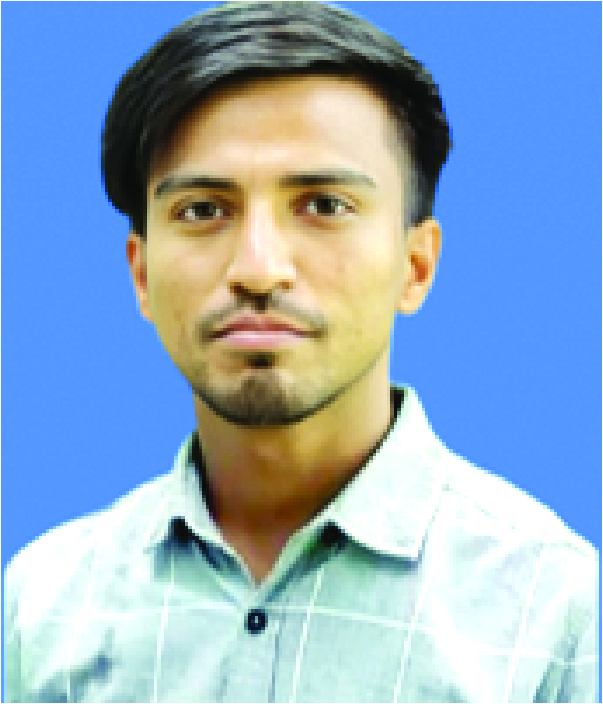
Md. Ohid Mia
📅 Date of Birth
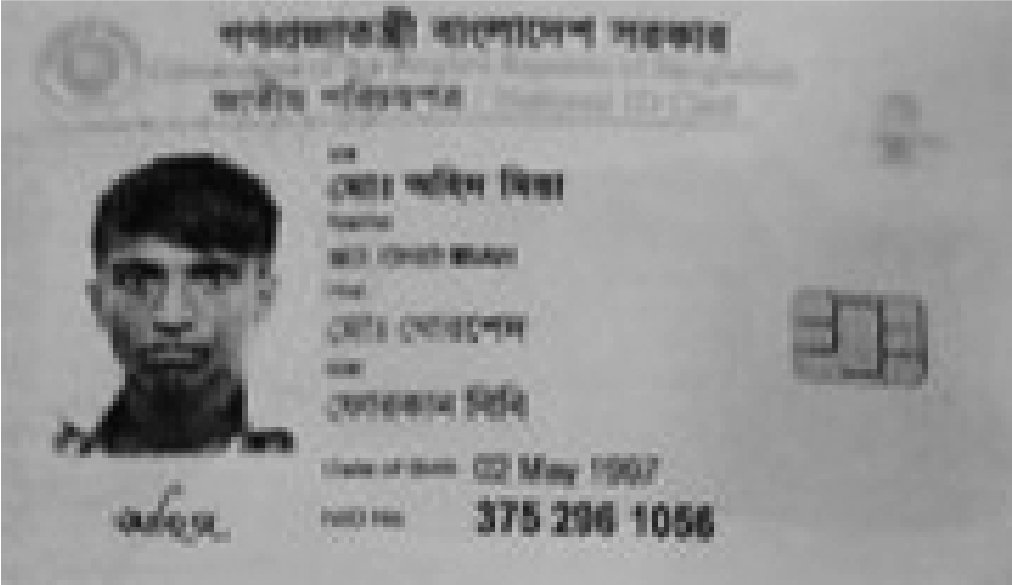
2 May, 1997
🕊️ Date of Martyrdom
5 August, 2024
🗺️ Division
Dhaka
📍 District
Gazipur
👤 Short Biography
Profession: Salaried Employee
Place of Martyrdom: Dhaka Medical Hospital
Incident Details & Martyrdom Narrative
He started working as a helper in a garment factory. Despite his low salary, he managed to support his mother and maintain their household. However, fate took a harsh turn when his elder sister got divorced. He had to take responsibility for her as well. Determined to improve his situation, he learned operating skills and, in 2022, joined Shan Tex Private Limited Company as an operator. His salary as an operator was 15,000 BDT.
Background
For the past 15 years, a single ruling party remained in power in Bangladesh, blocking elections and the peaceful transfer of authority. To maintain their grip on power permanently, they resorted to oppression, suppression, and various other tactics. The media was placed under severe control, the judiciary became ineffective, and institutions like the Human Rights Commission and the Anti-Corruption Commission ceased to function. Universities turned into hubs for spineless hooligans, creating a suffocating environment in society. Due to corruption, the prices of goods skyrocketed, real income decreased, job opportunities diminished, and billions of takas were laundered. Secret agreements and mega projects led to growing frustration among the people.
After the farcical 2024 election, public despair deepened, resulting in nationwide depression. The failure of political parties left people feeling helpless. The alternatives to the ruling Awami League, such as the BNP-Jamaat alliance and the Jatiya Party, had a history that people had already experienced. Their past governance did not inspire confidence, which is why previous movements in the last 15 years did not lead to the fall of the government. However, the question remained: How much longer would this tyranny continue? How long would people endure humiliation and the destruction of institutions?
The Anti-Discrimination Student Movement was not originally intended as a movement to overthrow the government. It was a spontaneous outburst of accumulated public resentment. This movement cannot be explained solely by the events of that time—it was significant because it did not emerge under the leadership of any political party.
Bangladesh had seen mass uprisings before, such as in 1969 and 1990. In 1969, political parties like Awami League and Bhashani’s NAP led the movement, which resulted in the Liberation War. Another mass uprising occurred in 1990, which led to the fall of Ershad, where the Awami League, BNP, and leftist parties jointly led the movement. However, the July 2024 Uprising had no specific political leadership and no single leader. Instead, the oppressive actions of autocratic, fascist Sheikh Hasina to suppress the movement pushed it towards becoming a movement to overthrow the government.
When the court reinstated the quota system, students reacted strongly. Many of them had participated in the 2018 quota reform movement and now faced renewed uncertainty. The movement reignited in public universities, and because it was peaceful, it gained public support. As unarmed students peacefully marched, terrorists from the ruling Chhatra League and Jubo League attacked them, including female students. Hasina dismissed the movement with arrogance, while the police and RAB brutally cracked down on students. These events enraged the public.
On July 16, the killing of Abu Sayeed and six others triggered an even greater reaction. People questioned: How much more could they endure? The brutal execution of Abu Saeed had no justification. In response, ordinary citizens began supporting the movement. Eventually, when public university students struggled to sustain it, students from private universities joined—something the government had not anticipated. Later, even college and school students joined, spreading the movement like wildfire across the country.
How he became a Shaheed
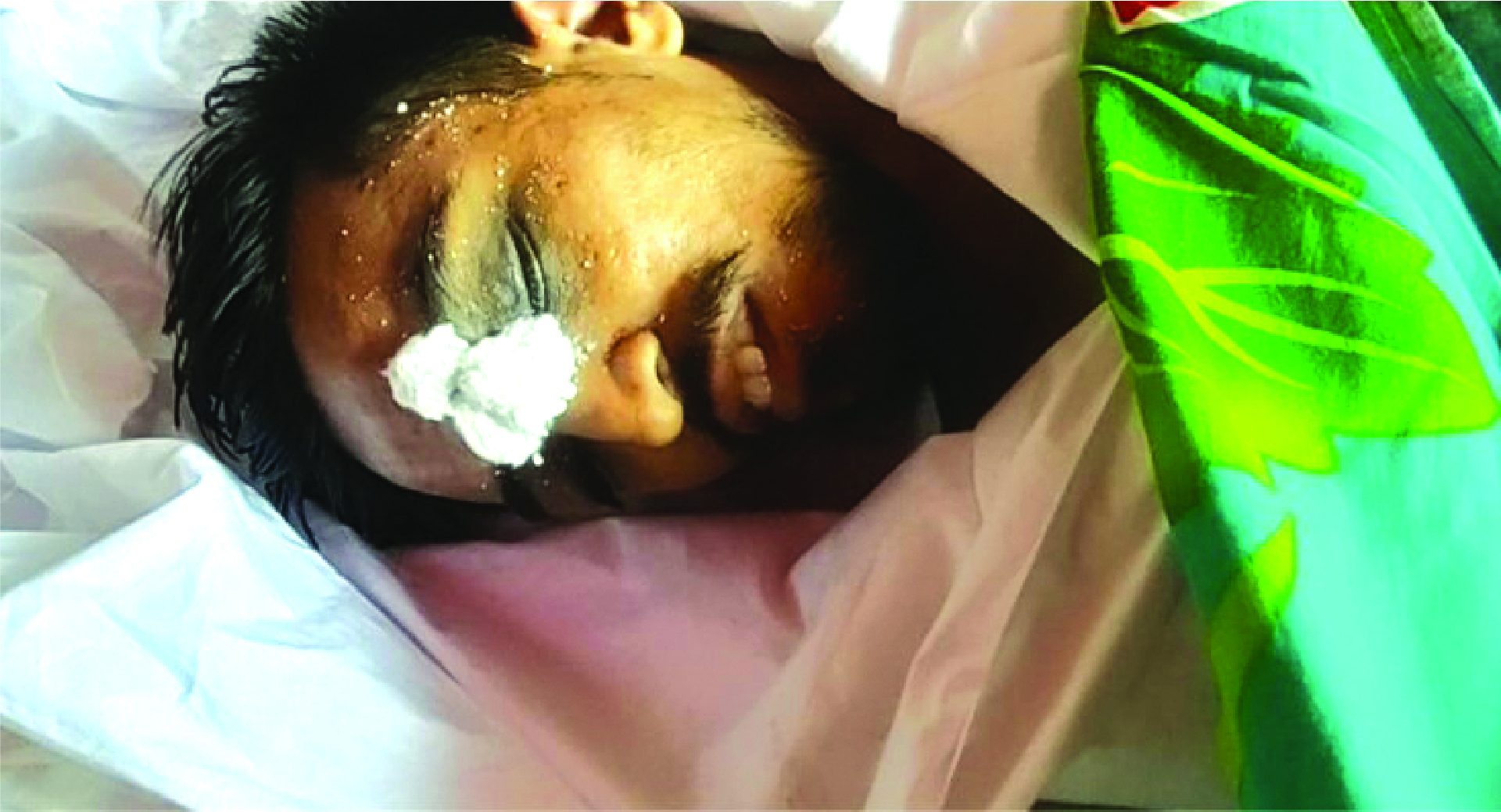
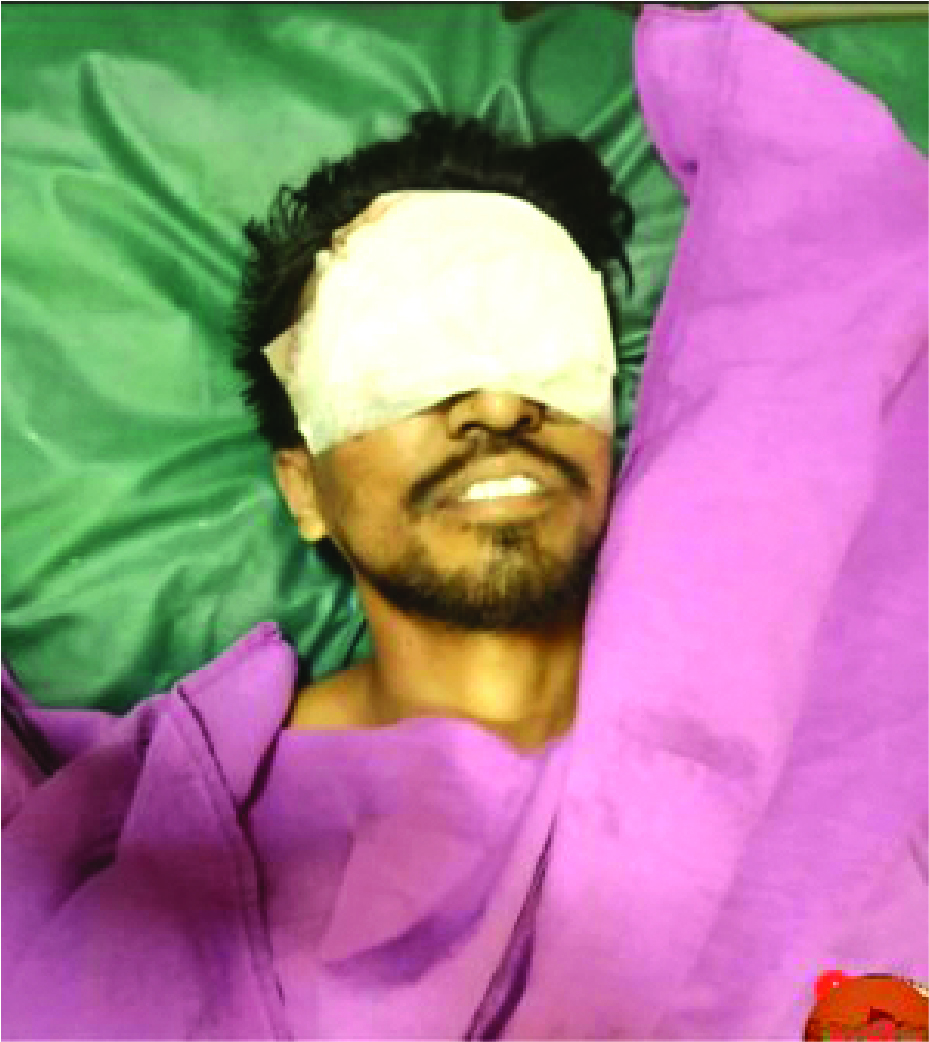
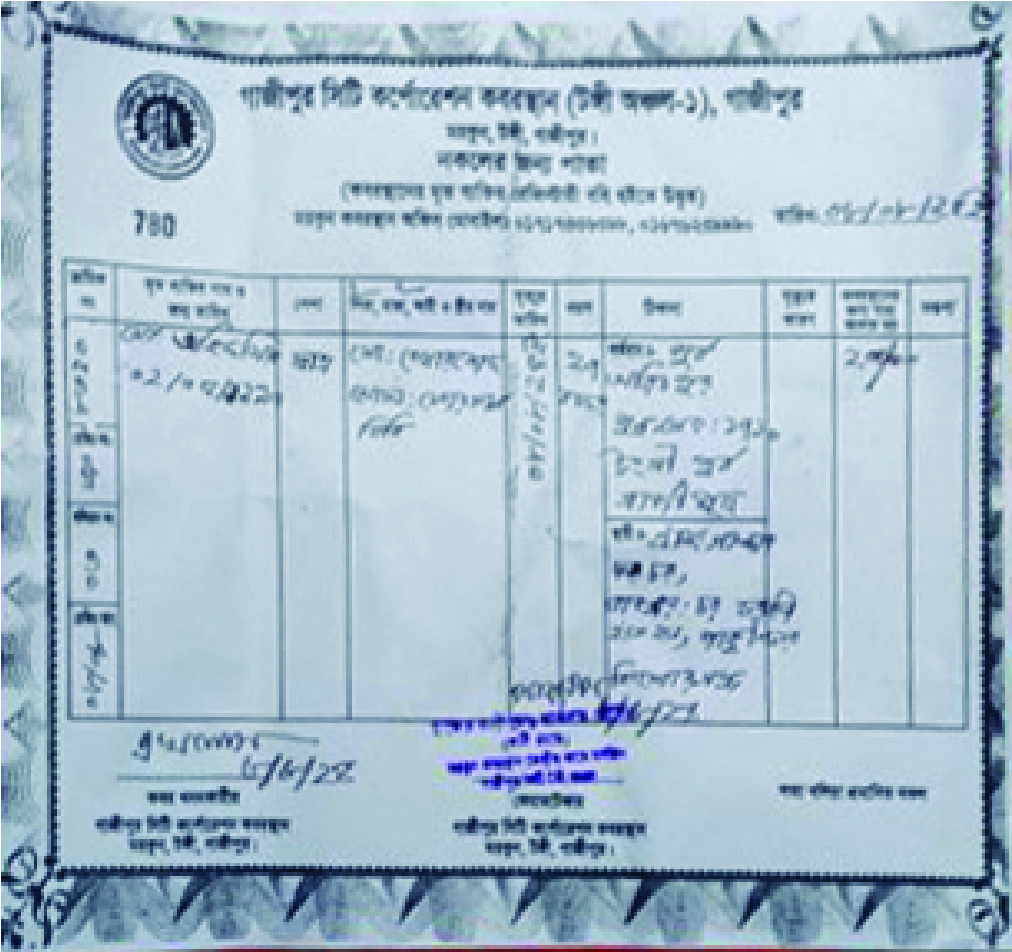
On August 5, 2024, after hearing the news of the fascist prime minister fleeing the country, Ohid Mia left his home at 3 PM. He reached the Amir Complex area in Azampur, Uttara, but before he could participate in a victory rally, he was shot by Chhatra League terrorists. He was rushed to Dhaka Medical College, where doctors tried to save him, but he succumbed to his injuries that night. Meanwhile, his orphaned family desperately searched for him. On August 7, they finally found his body at Dhaka Medical College, and on August 8 at 9 AM, the family received his remains.
Funeral and Burial
On August 8, Ohid Mia's funeral was held after Zuhr prayers in his hometown. After the funeral, he was buried at the Tongi Morakhun Graveyard in Gazipur.
Reflections and Comments
His friend Md. Tanvir Ahmed stated: "Ohid was my closest friend—he was always cheerful, a devout man who prayed regularly. He was kind, selfless, and trustworthy. He sacrificed his life for the country. We urge support for his elderly mother and divorced sister, who now have no means of survival. We demand justice for his tragic death."
With Ohid Mia being the sole breadwinner, his elderly mother and divorced sister are now living in extreme hardship. His grieving mother is devastated, unable to cope with the loss of her beloved son.
Proposals
1. A one-time financial grant and a regular monthly allowance should be granted for the Shaheed’s family.
2. A long-term solution to be ensured to restore the financial stability of his mother and sister.
Shaheed Mohammad Ohid Mia's Personal Information at a Glance
Name : Shaheed Md. Ohid Mia
Birth : May 2, 1997
Place of Birth : Tongi, Gazipur
Occupation : Employee
Permanent Address : Village: East Arichpur, Union: Sheet Corporation, Thana: Tongi, District: Gazipur
Father : Late Mohammad Khorshed
Mother : Mosa: Forkhan Bibi
Occupation : Housewife, Age: 52 years
Monthly Income : 15000 Taka.
Source of Income : Job
Establishing Truth and Resisting Injustice
The greatness of humanity lies in the establishment of truth and the resistance against injustice. Throughout history, young students have embraced this responsibility. A conscious student is an active and effective force of protest for the nation. When the youth unite for a just cause, they inspire generations to come.
One such determined young soul was Shaheed Mohammad Samiu Aman Noor, a school-going teenager who was eager to take part in the mass revolution. Known as a polite and talented student, he was a fearless soldier of truth and justice. His firmness and courage will continue to inspire future generations to stand up for righteousness.
Quranic Verse
Indeed, Allah has purchased from the believers their lives and their properties for [that] they will have Paradise. They fight in the cause of Allah. (Surah At-Tawbah 9:111)
Hadith Sharif
Abu Huraira (RA) reported: The Messenger of Allah (SAW) said, "Whoever sincerely asks Allah for martyrdom, Allah will grant him the status of martyrs." (Sahih Muslim 1888)
👥 Shaheeds from the Same Division
Dhaka



Memorial Photo Gallery