📱 Smart QR Code
Scan to view & share this memorial biography directly.
🌹 Prayers
Click to send your sincere respect and prayers for this hero
Raifa
📅 Date of Birth
15 June, 2018
🕊️ Date of Martyrdom
20 July, 2024
🗺️ Division
Dhaka
📍 District
Kishoreganj
👤 Short Biography
Profession: Child (6 years old)
Place of Martyrdom: Tarabo, Bishwaroad, Rupganj, Narayanganj
Incident Details & Martyrdom Narrative
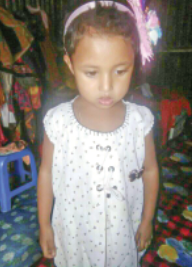
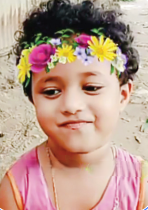
On June 15, 2018, a new life came into the world in Purba Purra village, Kotiadi Upazila, Kishoreganj district. Born into a poor yet lively family, a little girl was named Raifa. From the very first day of her birth, a new light seemed to brighten the household. Even on the tired faces of her parents, smiles blossomed as they saw their little daughter's innocent face. Her father, Md. Babuchan, worked as a street hawker in the alleys of Dhaka, walking from morning till evening, earning whatever he could to sustain their family of ten. Her mother, Selina Khatun, would carry Raifa in her arms and sometimes help out as a helper to a mason. Despite the hardships and scarcity, Raifa's eyes and face always sparkled with joy. She was the youngest in the family—nine siblings in total—and the very heart of the household. Older brothers Azizul, Delwar, and Riyad, who worked as daily laborers or garment workers, always found time to shower their little sister with love and care. Cousins Kawsar and Alimun were her playmates, filling the courtyard with laughter and games every afternoon. Her elder sisters Surma, Dina, and Suborna, all married, were especially affectionate, always adorning and entertaining little Raifa.
The neighbors knew this child would one day go far. Her playful nature, gentle spirit, and heartwarming smile quickly won the hearts of everyone around. Though she had not yet started school, she would sit with her brothers’ notebooks, drawing and doodling. Everyone said, “Raifa will be very talented one day.†Though raised in poverty, her inner world was full of wonder and dreams. Holding her mother’s shawl, accompanying her to the market, sitting by her father in the evening—these memories now pierce the hearts of her family like sharp knives. Little Raifa was not just a child—she was the fruit of her father’s toil, the jewel of her mother’s eyes, and the source of joy for her brothers and sisters. In a poor but love-filled home, she was an incomparable blessing.
Circumstances of Martyrdom
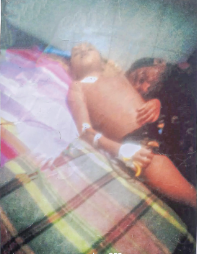
On Friday, July 20, 2024, between morning and noon, the place was Tarabo, Bishwaroad, Rupganj, Narayanganj. The atmosphere was tense and heavy with fear throughout every street and alley. Fierce protests erupted demanding an equal society, the rights of the poor, fair wages for laborers, and an end to state oppression. Long-standing public grievances spread through the streets like wildfire. That ordinary morning turned into Raifa’s last morning. The six-year-old child, having eaten her mother’s freshly cooked hot rice and lentils, stepped outside playing as usual. Unknowingly, she reached the edge of Bishwaroad. The crowd, the slogans, and the charged environment piqued her curiosity. A child’s mind cannot understand politics, protest, or repression. Suddenly, a brutal attack began. Armed police and government-backed goons surrounded the area, indiscriminately firing bullets. The sky and air shook with gunshots. The screams of people turned the streets into a battlefield. The bullets targeted not only the protesters but anyone present, regardless of age or gender. It was at this moment that a targeted bullet struck little Raifa. Her tender body was instantly torn apart. Her white clothes soaked in bright red blood. She collapsed to the ground. Around her was only screams, terror, and silence. No one could imagine that children could be shot like this! She was rushed to the local hospital. Doctors tried everything—saline, oxygen, stitches, injections. Her mother, Selina, hurriedly poured water on her head, trying to wake her. Her father, Babuchan, kept crying and asking, “Why won’t my daughter open her eyes?†But all hope was lost at 4:30 pm when doctors confirmed Raifa had died. The lifeless body of this innocent child returned to the village where she was born, walked with tiny steps, played with her brothers, and rested in her mother’s arms. That same village now embraced her forever. The funeral was held amid tears of thousands. As she was buried in the graveyard, the sky grew heavy with sorrow.
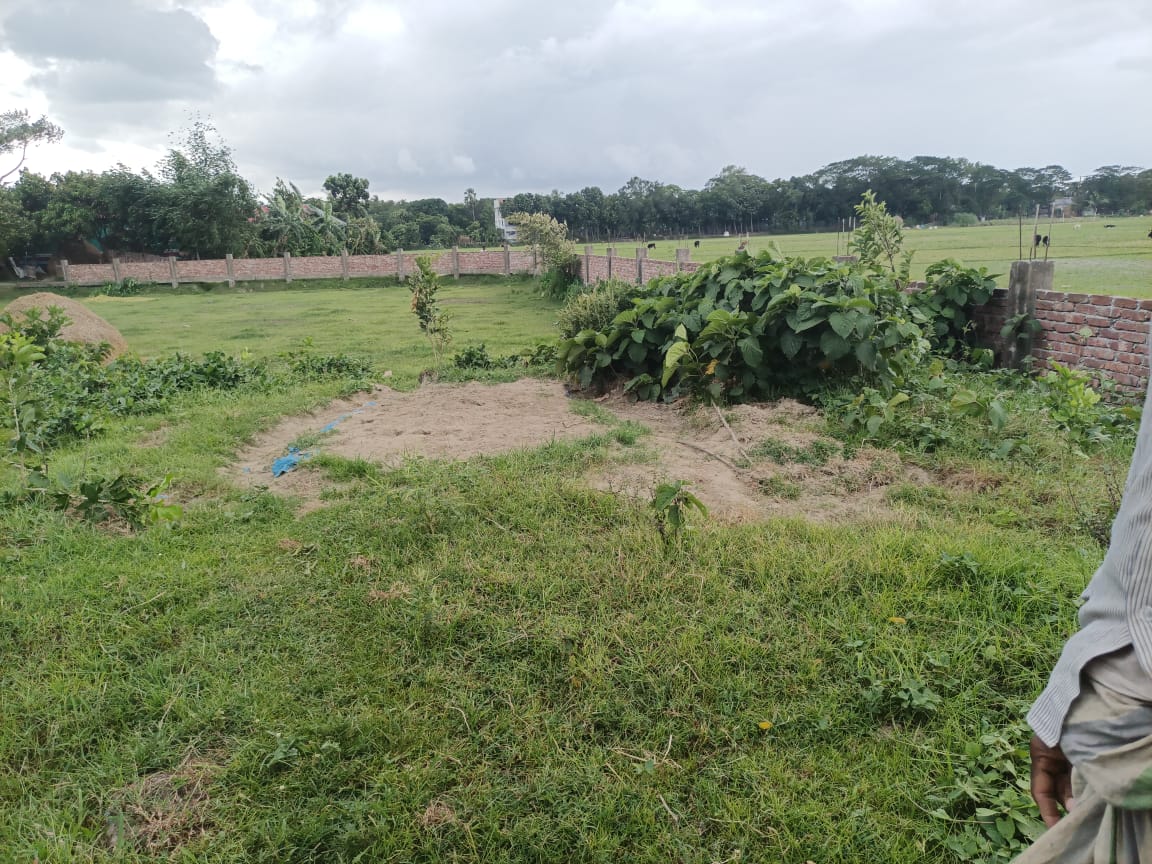
Little Raifa’s grave still raises a question—what crime did this child commit that she had to be killed? “What does the state build with children’s blood?†Raifa’s grave is not just a tomb but a silent testimony of a dark era. History will remember the bloodstained farewell of child Raifa as undeniable evidence of ruthless cruelty under the ruling Awami regime.
Child Martyr Raifa is not just a name but a grim portrait of a black day. She was killed in a notorious chapter of state-sponsored repression. Her blood flows as a call for the restoration of Bangladesh’s freedom, justice, and humanity. A state fails when it cannot protect its future children. Raifa’s death marks that failure and injustice. Only through justice for this murder can the path to safety for future children be paved.
Life After Raifa’s Absence — A Family in Sorrow
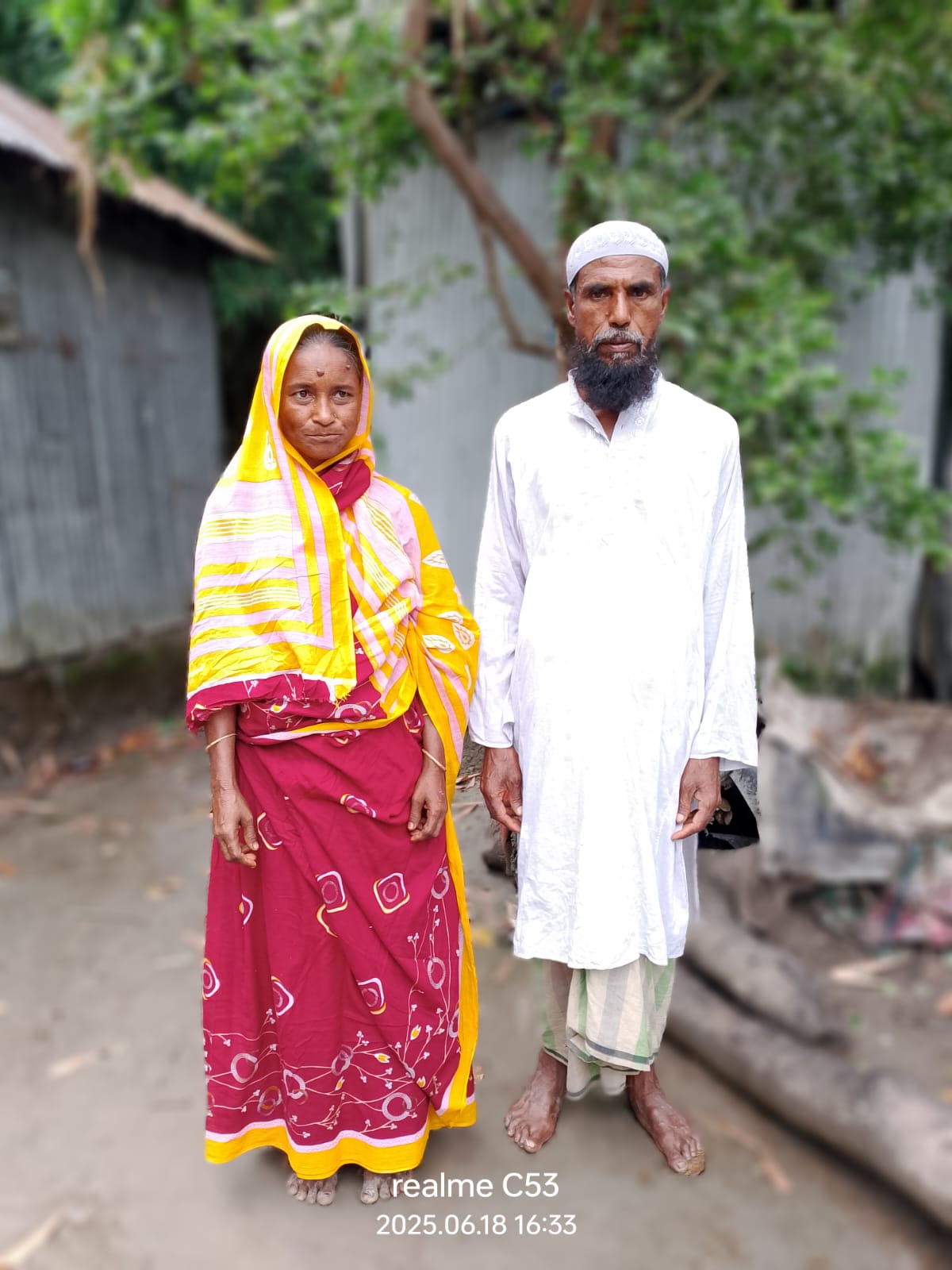
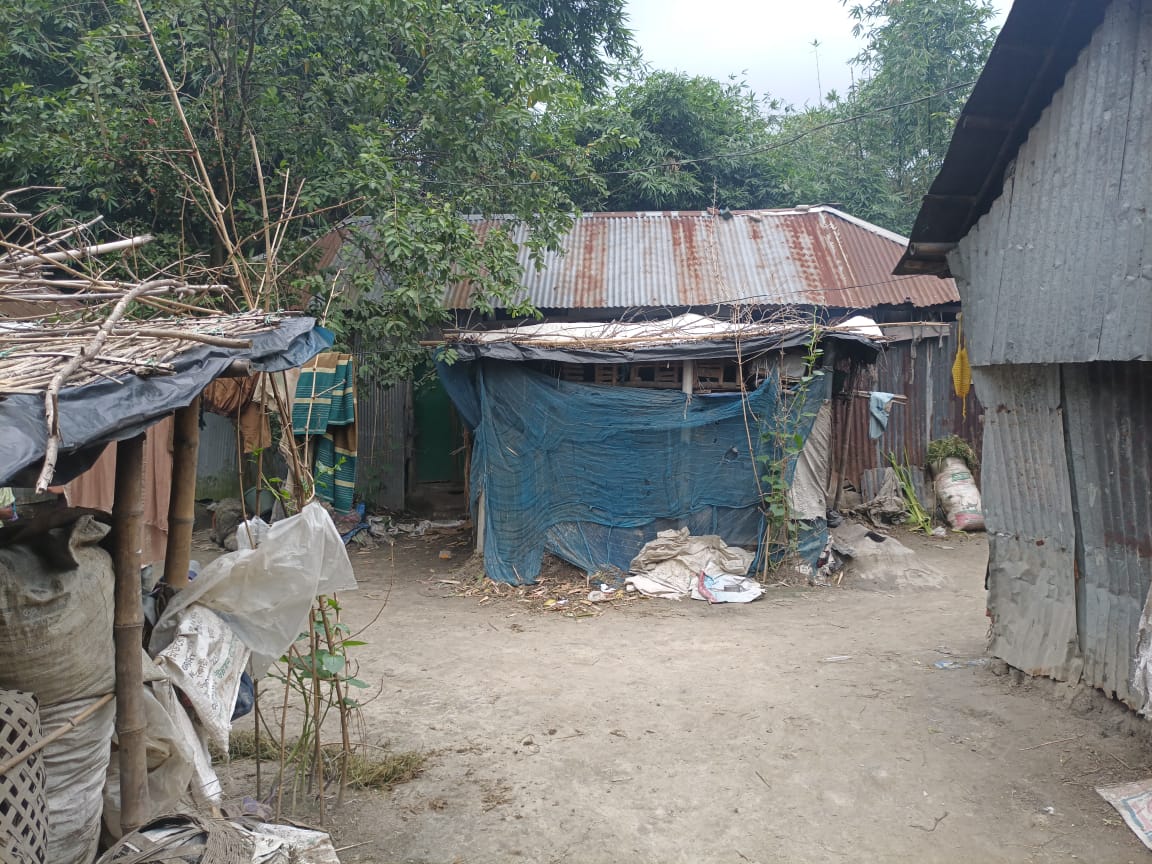
Since Raifa’s death, every morning and evening passes under a shadow of grief. When Raifa died, not only did a child’s life extinguish, but a family’s laughter, dreams, shelter, and meaning of survival were lost forever. After her death, a deep darkness engulfed Raifa’s family. Once, this family found life in the laughter of a child, but now only mourning and silence remain. Her mother, Selina Khatun, who once worked as a mason’s helper and carried burdens to support the family, can no longer work. Every morning, an empty space in her heart aches where Raifa once was. She cannot forget her daughter’s face, her last smile, the last touch of affection that still burns painfully in her body. Whether cooking, eating, or going to sleep, Raifa’s soft voice calling out still echoes in her ears. Her father, Babuchan, who used to make a living as a hawker in Dhaka’s alleys, no longer wants to return there. The air in Dhaka still carries the cries of his daughter, the sound of police gunfire, and the announcements of death in hospital corridors. He now stays quietly at his village home, sitting silently in a corner of the courtyard where Raifa once played and laughed. The family now has almost no income. Babuchan’s hawking has stopped, and Selina’s hands do not move with purpose anymore. Older brothers Azizul, Delwar, and Riyad work as daily laborers or temporary garment workers to barely make ends meet. For many nights, there is no cooked meal, and whatever is available in the morning must last the day. Often, the entire family cannot eat together—not just due to poverty but the heavy burden of sorrow. Surma, Dina, Kawsar, and Alimun, who once laughed, played, and fought with Raifa, now live only in memories. When they go to the courtyard to play, they remember how Raifa used to hide or sleep on her elder siblings’ laps. Some wake up crying at night, asking, “Where is Raifa?†Hearing this, the whole house once again sinks into tears. The family’s laughter seems lost forever. The death of one child has wiped away the peace of ten lives. Raifa’s bloodstained memories still cover every moment of their mornings, afternoons, evenings, and nights. Every member now lives carrying that bloody memory, burdened by the cruelty of the state and society and the injustice they endured.
Neighbors’ Feelings About the Martyr
Raifa’s death shocked not only her family but the entire neighborhood. Everyone in Purba Purra village grieved the loss of one of their own. No one could believe that this innocent, cheerful, playful child was no more. Even the air in the village felt heavy with sorrow.
Qutub Mia, who lives next door to Raifa, shared his burning feelings:
“Killing little Raifa means that the Awami terrorist Sheikh Hasina has surpassed even the era of ignorance in cruelty. We never imagined such brutality, such savagery. If even a child with no weapons and no voice of protest is shot, then who is safe anymore? I demand strict justice for this child’s murder. The state must repay this debt of blood.â€
Another neighbor, Sabuj, wiping tears, said:
“I am stunned, speechless. What crime did this little child commit? Raifa had just gone out to play; she did not even know what protests were or what gunfire meant. So why did the police shoot her? How could they? What will we ask from a state that cannot protect its own children? I want justice for Raifa’s murder. Not just justice, but that this blood-stained history be recorded for generations to come.â€
Thus, the neighbors have each lost a child relative in their own way. Every memory, every word keeps Raifa alive. Her innocent face seems to wander the village alleys. But the most repeated sentence from all is: “We demand justice for this child’s murder.†Child Martyr Raifa is not merely a name but a cruel image of a dark day. She was killed in a notorious chapter of state-backed repression. Her blood flows as a call for Bangladesh’s freedom, justice, and humanity. A state fails when it cannot protect its own children. Raifa’s death is proof of that failure and injustice. Only justice for this murder can pave the way for the safety of future children.
At a Glance: Economic Proposals
1. Provide adequate financial assistance to the family of martyr Raifa.
2. Introduce monthly allowances for the parents.
3. Arrange for reconstruction or repair of the family’s house.
4. Organize scholarships for the younger siblings’ education.
5. Create employment or training opportunities for the elder brothers.
6. Develop alternative income sources for mother Selina Khatun.
7. Ensure government-provided food aid and healthcare for the family.
8. Take official steps to preserve permanent memorials in the martyr’s name.
9. Provide legal assistance to secure justice and compensation.
10. Provide security and psychosocial support to the family members.
At a Glance: Martyr’s Profile
Full Name Raifa
Date of Birth 15 June 2018
Place of Birth Kishoreganj
Permanent Address Village: Purba Purra, Union: Sahashram Dhuldia, Upazila: Kotiadi, District: Kishoreganj
Father’s Name Md. Babuchan
Father’s Age 53
Father’s Occupation Street hawker
Father’s Monthly Income 10,000 BDT
Mother’s Name Selina Khatun
Mother’s Age 42
Mother’s Occupation Mason’s helper
Family Members 10 (parents, 5 brothers, 3 sisters)
Names of Siblings 1. Azizul, laborer, 25 (brother)
2. Delwar, garment worker, 21 (brother)
3. Riyad Mia, mason’s helper, 17 (brother)
4. Kawsar, 12 (brother)
5. Alimun, 8 (brother)
6. Surma, married (sister)
7. Dina, married (sister)
8. Suborna, married (sister)
Place of Incident Tarabo, Bishwaroad, Rupganj, Narayanganj
Attacker Police
Nature of Attack Police gunfire
Date of Injury 20 July 2024
Time of Injury Between 11:00 am and 12:00 pm
Date of Death 20 July 2024
Time of Death 4:30 pm
Current Grave Location Native village
Quranic Verse
They rejoice in what Allah has bestowed upon them of His bounty, and they rejoice for those who have not yet joined them. (Surah Al-Imran 3:170)
Hadith Sharif
The Messenger of Allah (SAW) said, "A martyr will be able to intercede for seventy relatives in Paradise." (Sunan Abu Dawood 2520)
👥 Shaheeds from the Same Division
Dhaka
Memorial Photo Gallery