📱 Smart QR Code
Scan to view & share this memorial biography directly.
🌹 Prayers
Click to send your sincere respect and prayers for this hero
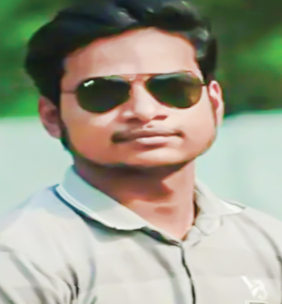
Ramjan Mia Jibon
📅 Date of Birth
10 October, 1998
🕊️ Date of Martyrdom
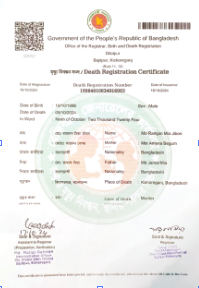
9 October, 2024
🗺️ Division
Dhaka
📍 District
Kishoreganj
👤 Short Biography
Profession: Shoe Factory Worker
Place of Martyrdom: Medical College Hospital (Dha-Mek), Dhaka
Incident Details & Martyrdom Narrative
Serial No.: 800
ID: Dhaka Division: 162
Birth and Family Background
Ramjan Mia Jibon—a name radiant with hope and promise. Embedded within his name was a premonition of the future: "Ramjan " symbolizing restraint, sacrifice, and patience; while "Jibon" (meaning life) reflected a simple yet struggle-filled journey. Much like his name, Ramjan carried the weight of these meanings and responsibilities in every step of his life.
He was born on October 10, 1998, in Pathanhati village of Dilalpur Union, Bajitpur Thana, Kishoreganj district. Ramjan grew up in an impoverished family, yet one firmly grounded in self-respect and dignity. His father, Md. Jamal Mia, was a day laborer who had once tirelessly farmed his own land and worked others’ fields. But years of hard work and prolonged illness had worn him down, leaving him incapacitated and full of worry. His mother, Amena Begum, though a homemaker, bore the full weight of the household’s responsibilities with loving care and resilience. Under the tin roof of their modest hut, she was the pillar of strength for this poor family.
Ramjan ’s formal education was brief—he studied only up to the fifth grade at Dilalpur Government Primary School. In a household where food and clothing were the foremost necessities, education was a luxury. Yet, school had been a window to dreams for him, teaching him to see the world differently. Fate, however, had little time for dreams. He had to set aside his books early and take up the burden of survival. Poverty was his constant companion. But he never bowed his head to hardship. From a young age, holding his mother’s hand on market trips and walking with his father to the fields showed him harsh realities. Early on, he understood that no one else would be the family's support—he had to be their pillar. Perhaps that is why the suffix ‘Jibon’ (life) fittingly marked his name—signifying the lifeline of his family.
Work Life and Family
Ramjan Mia Jibon had to grasp the harsh realities of life in his adolescence. While other teenagers dreamed over their books, he carried a bundle on his back and set out for the capital city, Dhaka, in search of work, shelter, and survival. His struggle began amid Dhaka’s concrete jungle. He found a temporary job as a laborer in a shoe factory. Long hours standing, working beside hot machines in scorching heat, soaked in sweat—yet no complaints left his lips. There was only one unwavering determination: to bring smiles to his family’s faces.
With a meager monthly income of only 5,000 taka, Ramjan supported a family of four. His elderly father, incapacitated by illness; his mother, Amena Begum, who could only offer care but no income; his wife, Sahera Khatun, whose eyes held dreams but whose hands carried family burdens; and their newborn son, Md. Ayan, whose milk, medicine, and safety rested solely on Ramjan’s shoulders. They owned no house of their own, instead finding shelter in a temporary, uncertain tin-roofed room in someone else’s house. Still, within that fragile threshold was a semblance of peace—because the gatekeeper of that home was Ramjan Mia Jibon, a tired yet fulfilled man whose face wore the shadows of fatigue but whose heart overflowed with love.
His wife Sahera, educated up to secondary school, had taken on the role of a homemaker in life’s fierce battle. Every corner of their home carried her nurturing touch, fueling Ramjan’s strength. Their greatest blessing was little Ayan—only five months old—whose smiling face erased Ramjan’s weariness, soothed pain, and illuminated their uncertain future with a sliver of hope.
Ramjan’s life was like roots buried deep in darkness, striving to hold the whole tree upright. His sweat nourished the survival of a family and the dreams of a child. His silent sacrifices blossomed into the depths of love.
The Movement and How He Became a Martyr
The year 2024 marked one of Bangladesh’s most sorrowful chapters. Soaring commodity prices, lack of fair wages, government apathy toward working people, and the denial of democratic rights led workers, students, and common citizens across the country to flood the streets in protest. Ramjan Mia, an ordinary shoe factory laborer, could not remain silent. Beneath his quiet exterior simmered the unspoken weight of hardship, unanswered questions, and the deep sighs of denied rights.
This movement was more than just political; it was a cry born from empty stomachs, fair wages, and the demand for a safe livelihood.
On August 5, 2024, under the blazing sun and charged air of Dhaka, workers gathered peacefully at the Alu Bazar corner in Gulistan to voice their demands. Banners in hand, slogans on their lips, hope in their hearts—that was the spirit of the movement. But suddenly, the shadow of fire descended upon the peaceful assembly. At 3:30 PM, police forces, backed by the Awami League and acting without warning, opened fire on the protesters.
Chaos erupted—screams, running, bloodshed, tears, and terror turned the streets into a battlefield. Ramjan stood at the forefront. He neither laid a hand on anyone nor spoke harsh words. Yet he was a rebellious spirit, a courageous worker who understood the duty of standing for justice. But the state did not forgive his silent courage.
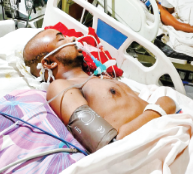
The sky shook with gunfire, and amid those shots, Ramjan fell to the ground, pierced by bullets that shattered all his dreams. He was rushed to hospital and admitted to Dhaka Medical College Hospital for 64 grueling days of treatment. Despite blood transfusions, medicines, oxygen, and tears, he breathed his last on the evening of October 9, 2024, at 7:00 PM.
His death was not an ordinary demise—it was a silent sacrifice against state oppression. He was the hope of a family, the father of a child, the dream of a wife—all plunged into darkness. When his lifeless body was buried at the central cemetery of Dilalpur village, his uncle, Ruman Mia, lamented aloud, “He was like my son. Always smiling, never showed fatigue. He was our light of hope. Our life is now dark.â€
This darkness is not only of one family but a reflection of a societal failure where workers bleed on the streets and the state turns away. Shaheed Ramjan Mia Jibon will live on in memory not merely as a worker but as a symbol of resistance—an eternal inspiration of an ordinary man fighting for justice.
Uncle’s Statement:
“I am Md. Ramjan Mia, 41 years old, son of the late Shahed Ali Mia and Mosha Maleka Begum. Shaheed Ramjan was like my own son. He was a good boy, always smiling, busy with work. I never saw him without a cheerful face. He was the sole breadwinner of the family.â€
Economic Proposals at a Glance
1. Immediate one-time grant for food, medical treatment, and sustenance
2. Monthly allowance support for the martyr’s family
3. Assistance in constructing a permanent residence
4. Provide home-based income opportunities for wife Sahera Khatun (such as sewing machine training)
5. Lifelong educational support for the martyr’s newly born child
Martyr’s Profile at a Glance
• Name: Ramjan Mia Jibon
• Age: 26
• Date of Birth: 10 October 1998
• Occupation: Shoe factory laborer
• Educational Qualification: Completed 5th grade at Dilalpur Government Primary School
• Father: Md. Jamal Mia, Age 62, Day laborer, ill and unable to work
• Mother: Amena Begum, Age 55, Homemaker
• Permanent Address: Village: Pathanhati, Dilalpur, Union: Dilalpur, Thana: Bajitpur, District: Kishoreganj
• Monthly Income: 5,000 Taka
• Source of Income: Agricultural labor
• Wife’s Name: Sahera Khatun, Age 22, Homemaker, Educational Qualification: Secondary School
• Son: 1, Name: Md. Ayan, Age: 5 months
• Family’s Economic Condition: Romjan Mia was the sole earner with no owned assets; the family lives in rented accommodation
• Date Injured: 5 August 2024, Time: 3:30 PM
• Place of Incident: Alu Bazar, Gulistan, Dhaka
• Date and Place of Martyrdom: 9 October 2024, 7:00 PM, Dhaka Medical College Hospital (DMCH)
• Attacker: Police
• Burial Place: Native village Dilalpur Central Cemetery, Bajitpur, Kishoreganj
Quranic Verse
And do not say of those who are killed in the way of Allah, "They are dead." Rather, they are alive, but you perceive it not. (Surah Al-Baqarah 2:154)
Hadith Sharif
The Messenger of Allah (SAW) said, "A martyr will be able to intercede for seventy relatives in Paradise." (Sunan Abu Dawood 2520)
👥 Shaheeds from the Same Division
Dhaka

Memorial Photo Gallery