📱 Smart QR Code
Scan to view & share this memorial biography directly.
🌹 Prayers
Click to send your sincere respect and prayers for this hero
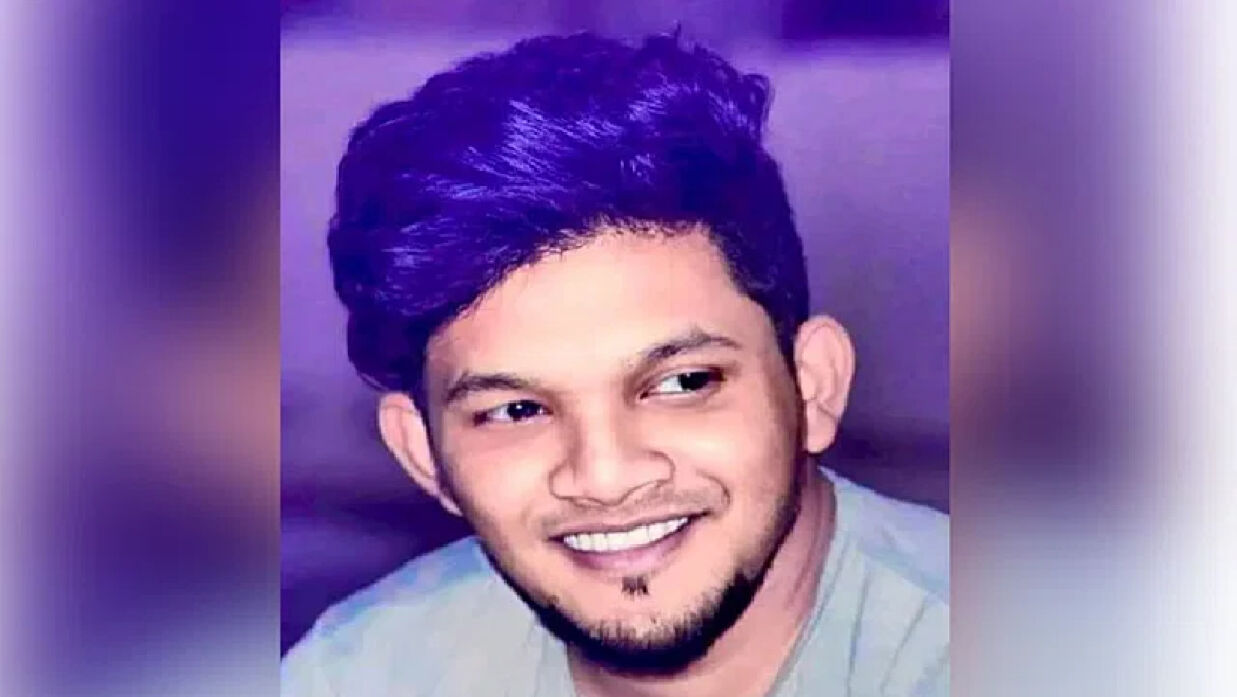
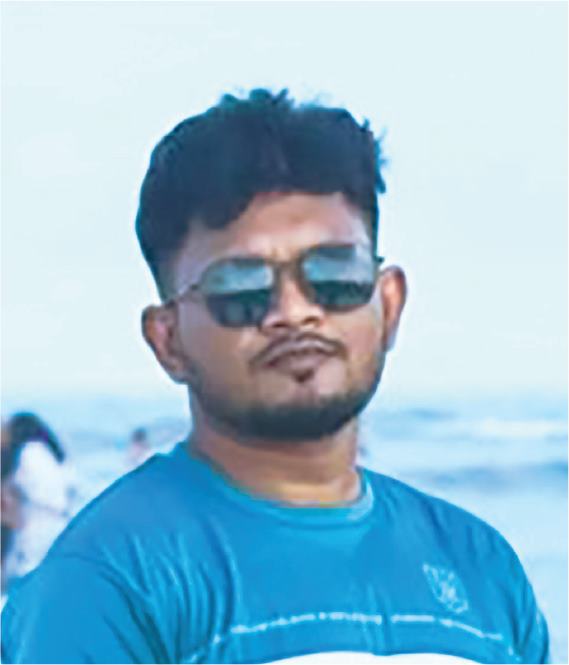
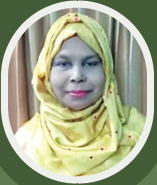
Al Amin
📅 Date of Birth
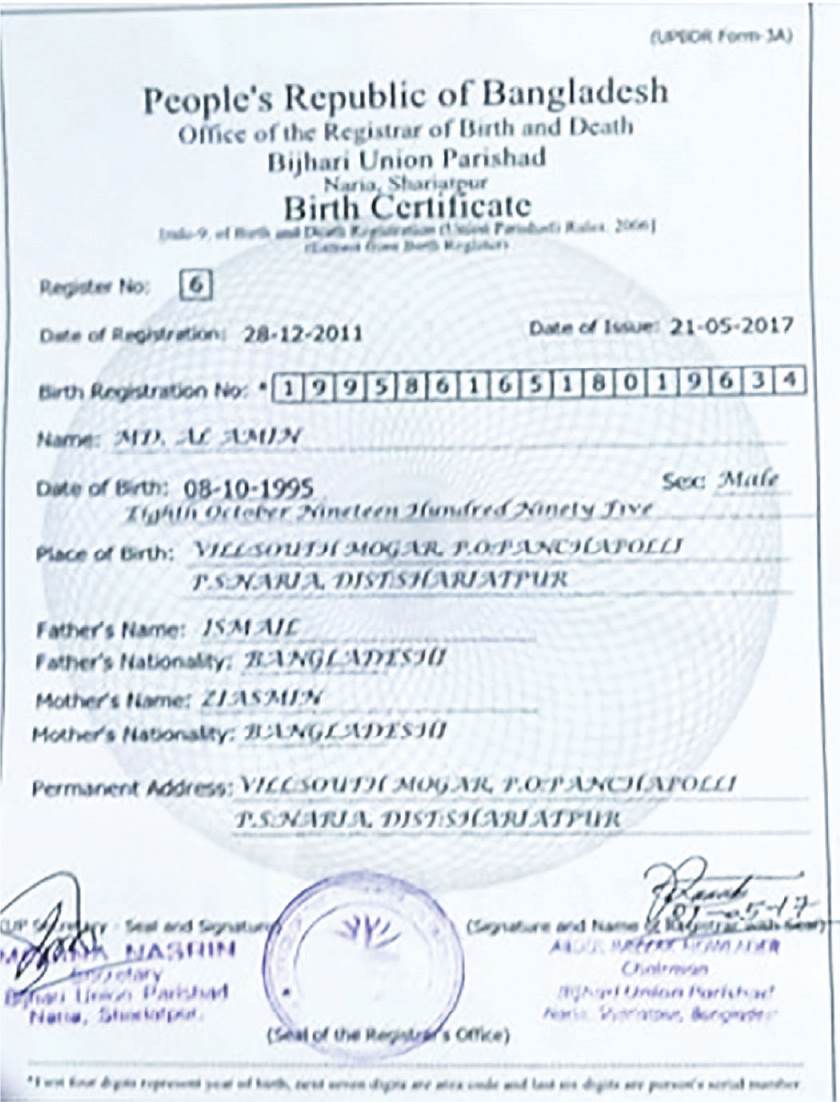
8 October, 1995
🕊️ Date of Martyrdom
5 August, 2024
🗺️ Division
Dhaka
📍 District
Dhaka
👤 Short Biography
Profession: Expatriate Worker in Saudi Arabia
Place of Martyrdom: Shaheed Suhrawardy Hospital
Incident Details & Martyrdom Narrative
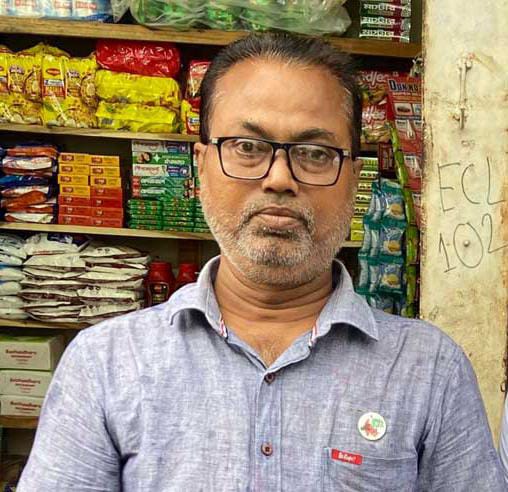
Al Amin was born into a simple, hardworking family in South Magar village of Naria Upazila in Shariatpur. He was a dream-filled young man, the son of Ismail Mirmalat and Jiyasmine Begum. From early childhood, Al Amin witnessed life through the light and shadow of struggle. Driven by the need for livelihood, he began his life in exile in Saudi Arabia with his parents at a young age. Though he grew up on foreign soil, his love for his country, his compassion for people, and his yearning for justice never faded.
After many years in Saudi Arabia, the family members gradually returned to Bangladesh. Al Amin stayed back alone for another year before finally returning home about four months ago, in mid-2024. He was then 29 years old. Upon returning, he started a small grocery shop with his father in the Baipail area of Savar, dreaming of rebuilding life anew. That father–son shop was not just a means of livelihood; it was a symbol of reunion after a long separation and a shared hope for the future.
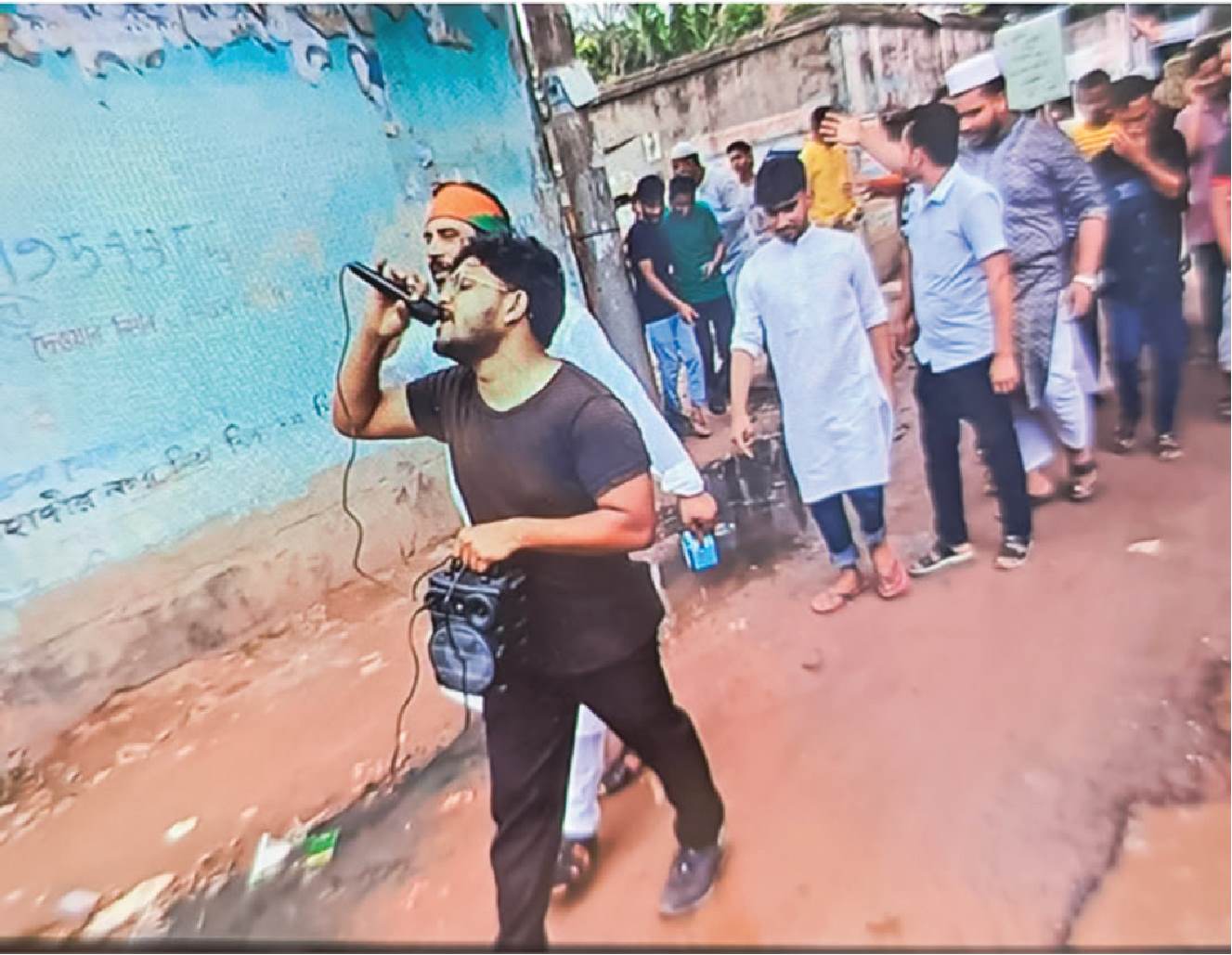
The 5th of August 2024 was a historic day for Bangladesh. Following the fall of the murderous Sheikh Hasina government, the country’s streets filled with celebration, victory marches, and slogans. To join the victory procession, Al Amin left his home around 4:00 p.m. He was not a man of power politics or partisan struggle; he was an ordinary citizen who wished to share in the joy of injustice collapsing and justice prevailing.
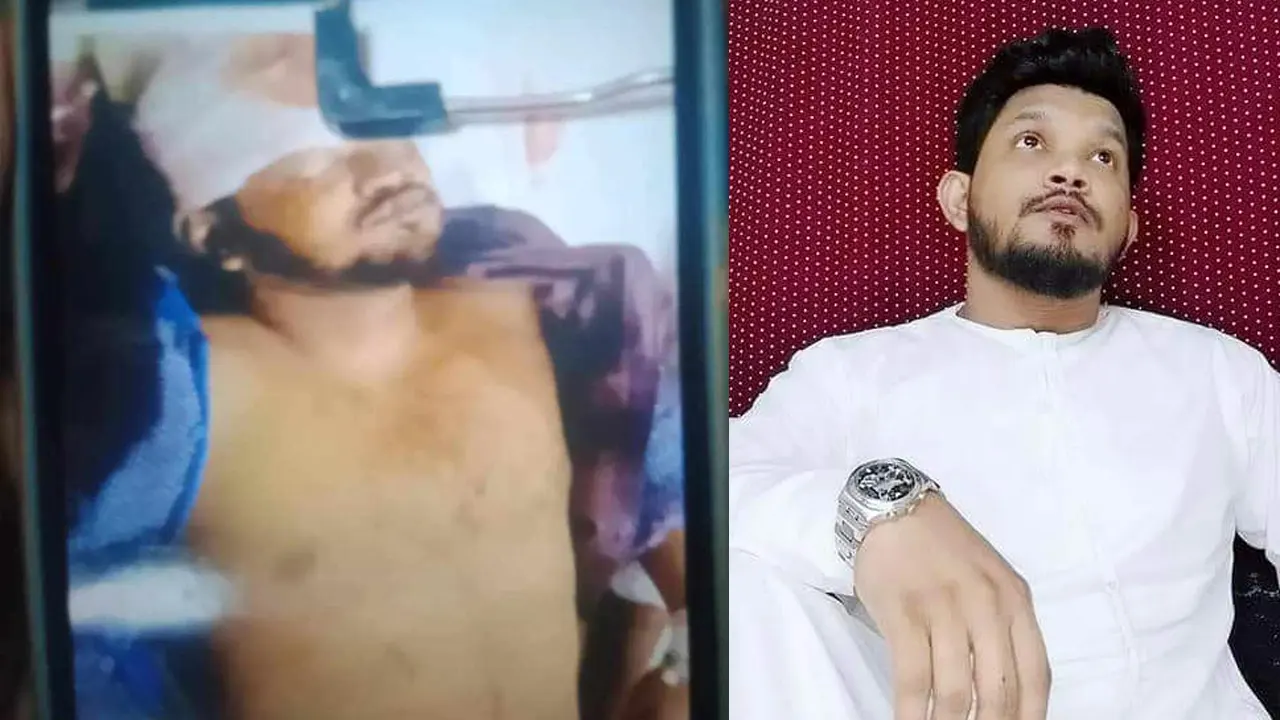
But that joyful procession became the final march of his life. After joining the rally, Al Amin was suddenly shot. Local people rescued him and took him to Shaheed Suhrawardy Hospital in Dhaka. Despite treatment, he passed away the following day. As his family could not be traced, his body was kept in the hospital morgue as unidentified. For nearly twelve days, a father’s son and a mother’s beloved child lay there—unknown, alone, and without identity.
This heartbreaking chapter came to an end through a news report in the media. The report caught the attention of Al Amin’s younger sister, Aflan Synthia. She rushed to Shaheed Suhrawardy Hospital and identified her brother’s body. After days of agonizing uncertainty and waiting, Al Amin’s lifeless body finally returned to his family. That very night, after funeral prayers at their village home, he was laid to rest.
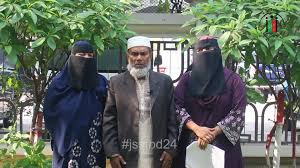
Having lost their son, Al Amin’s parents are now almost driven mad with grief. His father, Ismail Mirmalat, speaks with unbearable pain: “My son’s body lay unclaimed in the morgue for twelve days. As a father, I cannot explain this agony to anyone.” In his mother Jiyasmine Begum’s eyes, there is now only emptiness. The family had hoped to arrange Al Amin’s marriage in December, to see him build a family of his own. That dream was buried with him.
Al Amin was not a cadre of any political party, nor a player in the game of power. He was an ordinary man who stepped onto the streets in his final moments to witness the victory of justice. His death is not only the grief of a single family; it is also a stark reflection of the failure of the murderous Hasina regime.
The memory of Shaheed Al Amin reminds us that, in this country, it is often ordinary people who pay the highest price. The responsibility for his blood will be written in the pages of history, and his name will remain among the ranks of those silent martyrs who asked for nothing, yet gave everything.
Quranic Verse
Indeed, Allah has purchased from the believers their lives and their properties for [that] they will have Paradise. They fight in the cause of Allah. (Surah At-Tawbah 9:111)
Hadith Sharif
The Messenger of Allah (SAW) said, "A martyr will be able to intercede for seventy relatives in Paradise." (Sunan Abu Dawood 2520)
👥 Shaheeds from the Same Division
Dhaka
Memorial Photo Gallery