📱 Smart QR Code
Scan to view & share this memorial biography directly.
🌹 Prayers
Click to send your sincere respect and prayers for this hero
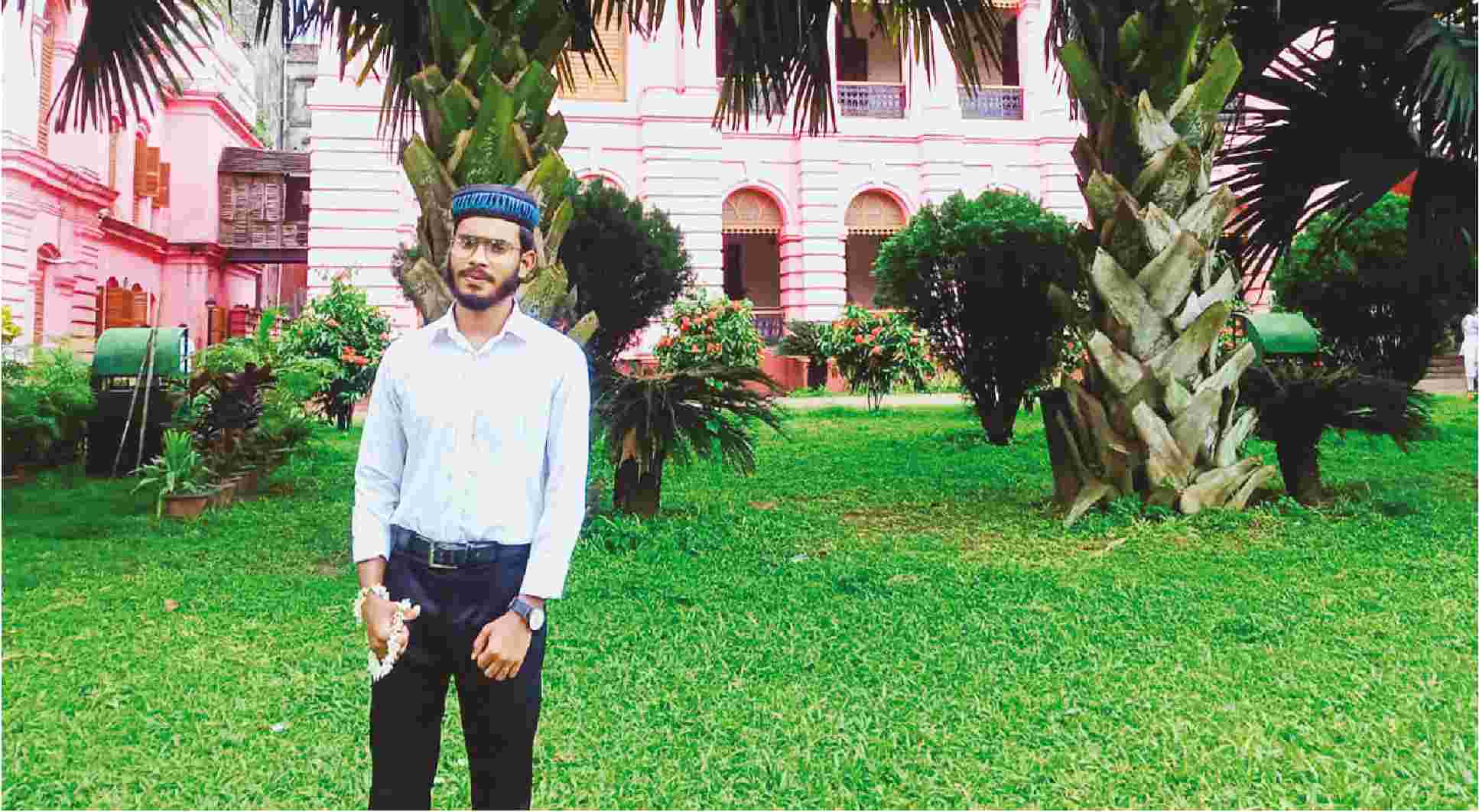
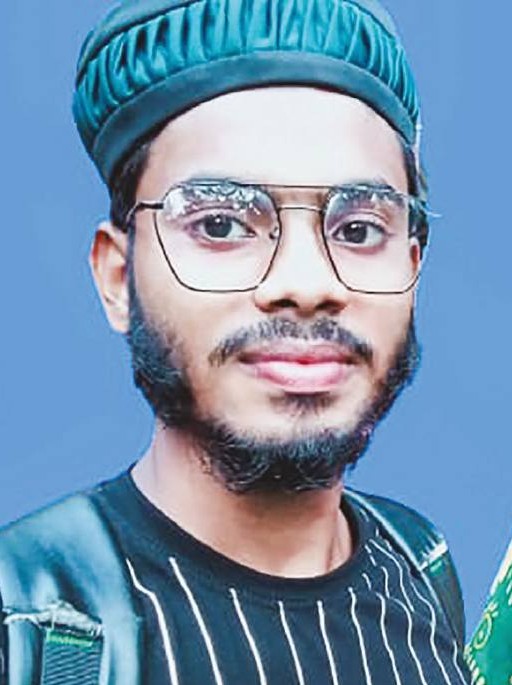
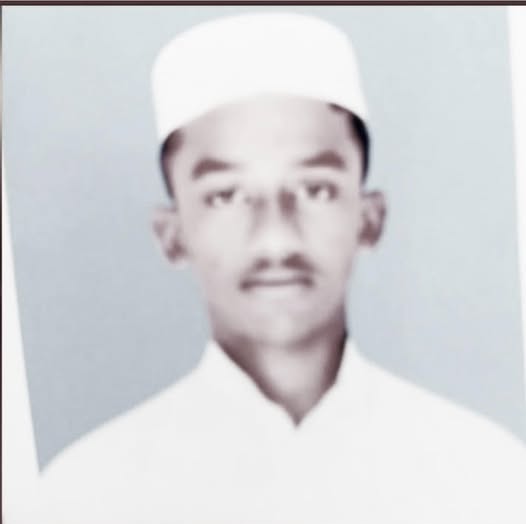
Tahidul Islam
📅 Date of Birth
2 March, 2002
🕊️ Date of Martyrdom
4 August, 2024
🗺️ Division
Dhaka_City
📍 District
Barisal
👤 Short Biography
Occupation: Student, Kabi Nazrul College
Place of Martyrdom: Farmgate, Dhaka.
Incident Details & Martyrdom Narrative
Waste of Public Money and Suppression of Students' Rights
In neighborhoods, unions, sub-districts, and districts, billions of takas have been wasted from public funds to install murals and statues of Sheikh Mujib. Even without proper education, individuals with weak merit and activists of the Chhatra League are getting jobs. Students in colleges and universities are being deprived of all their rights. Those who pray regularly are labeled as members of the Chhatrashibir, beaten up, and expelled from colleges and universities. Islamic individuals, scholars (Alems), and institutions engaged in spreading Islam are arbitrarily detained, imprisoned, executed in crossfire, disappeared, murdered, or exiled under the pretext of being terrorists.
Awami League politicians have laundered money abroad and built settlements like "Begum Para." Due to the depletion of Bangladesh’s foreign reserves, the country is heading toward an uncertain future. Concerned about the nation’s future, he (Tahidul) became increasingly anxious. He was waiting for an opportunity. The quota reform movement provided him with that opportunity to uproot the oppressors.
How He Became a Martyr
In 2018, under pressure from meritorious students' protests, Sheikh Hasina abolished the quota system. Since then, she had been looking for a way to reintroduce it to recruit her loyal activists into government jobs. On June 5, 2024, following Sheikh Hasina’s directive, the High Court declared the circular that abolished the freedom fighter quota in government, autonomous, and semi-autonomous institutions, as well as corporations (for 9th to 13th-grade positions), illegal.
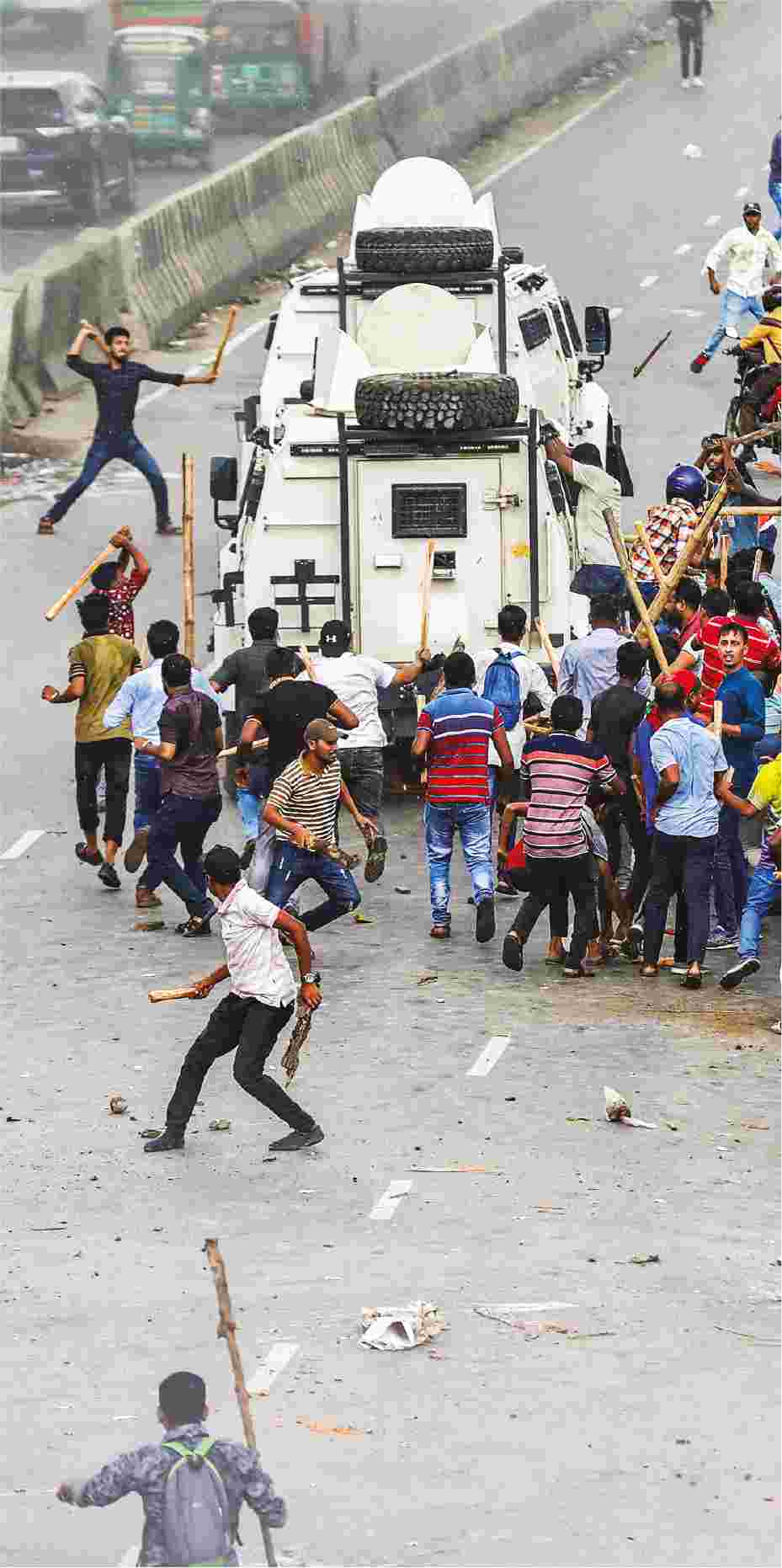
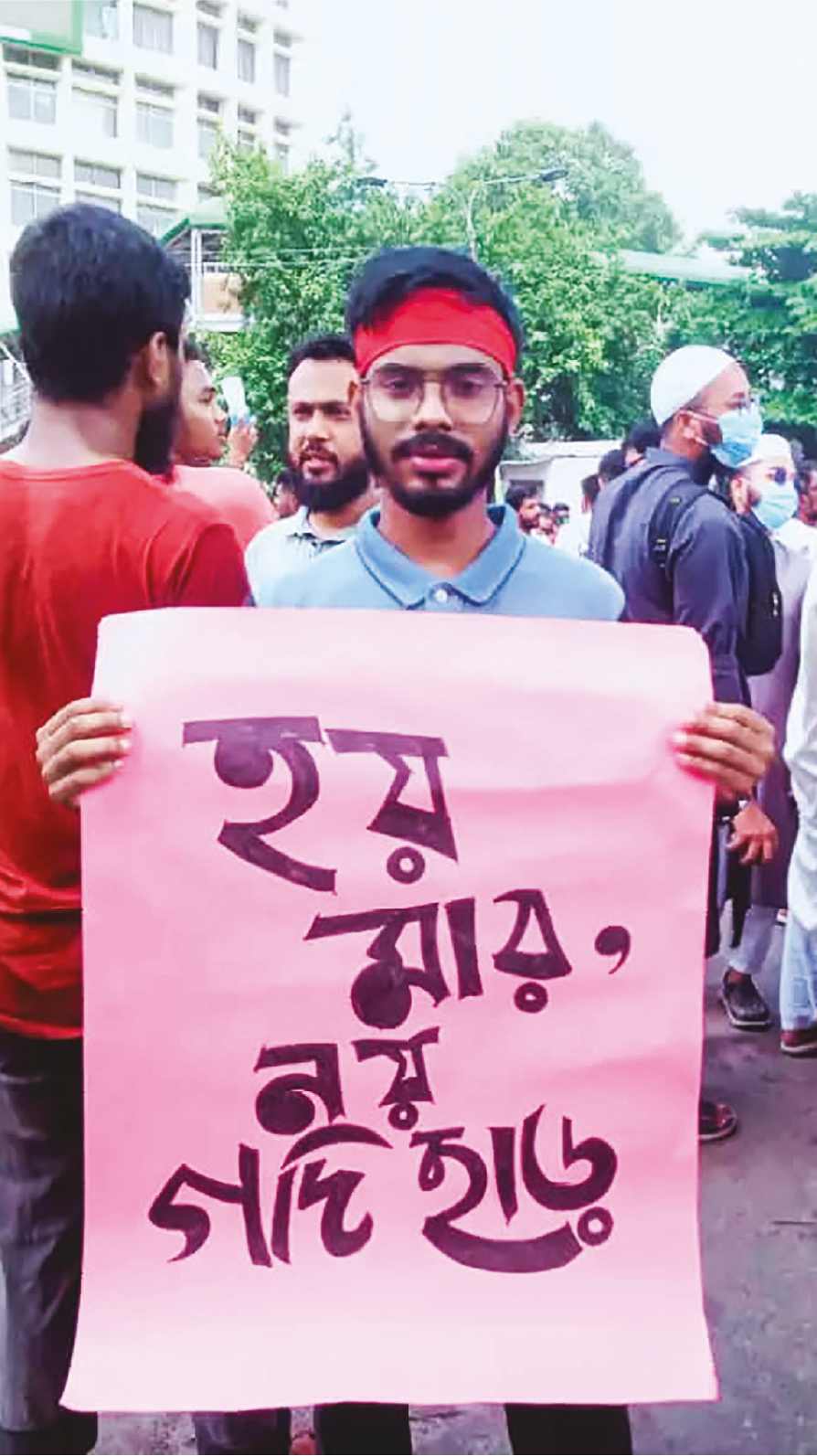
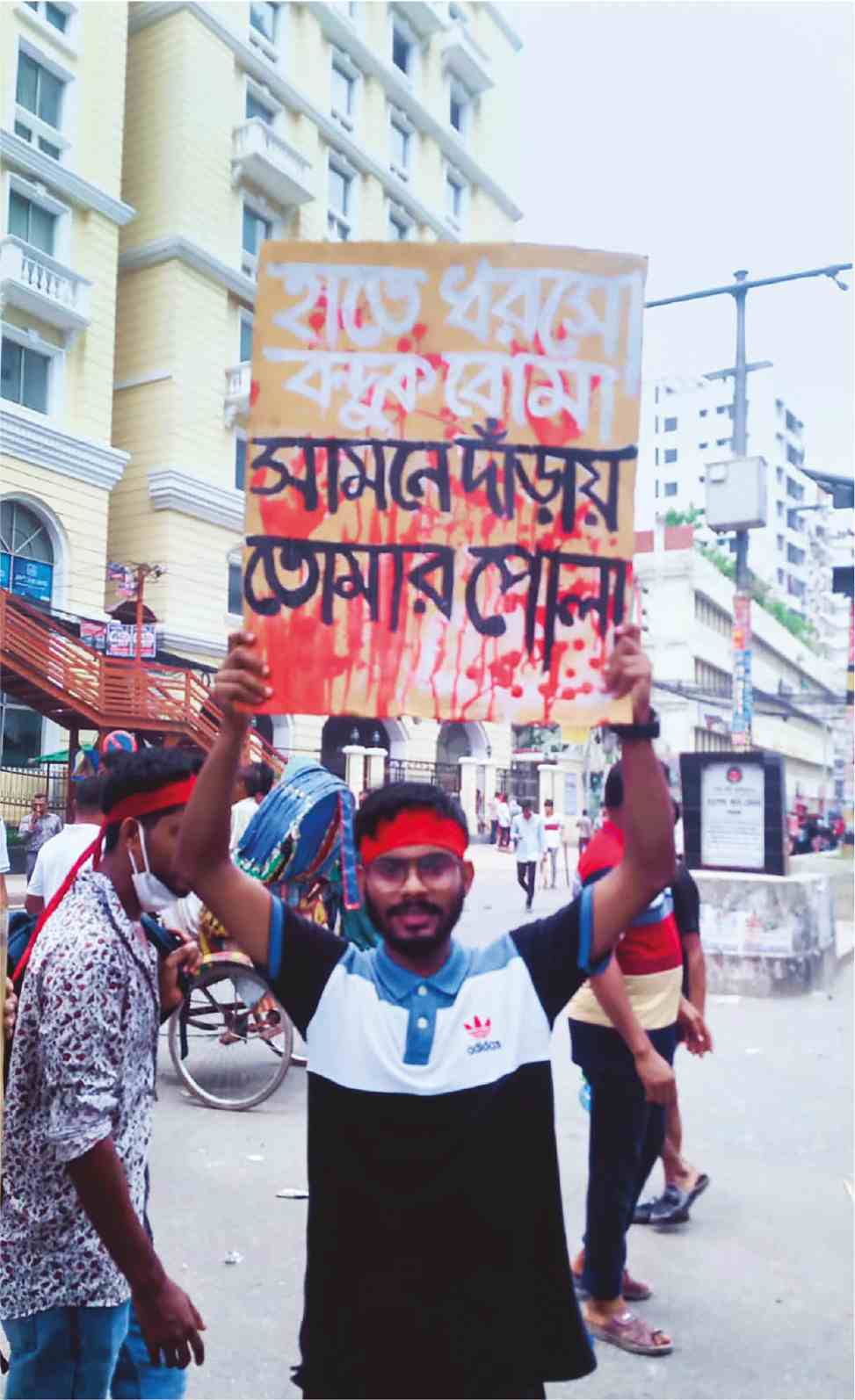
The next day, students of Dhaka University staged protests, demanding that the ruling be overturned by June 30. Inspired by Dhaka University, students from other universities and colleges also took to the streets to reclaim their rights. As the student movement gained momentum, so did the brutality of Awami League-backed terrorists. The infamous Chhatra League, attacked student gatherings with machetes, rods, and shotguns, leaving many injured and bleeding. When wounded students sought medical treatment in hospitals, they were brutally attacked there as well.
The Awami League waged a war-like crackdown, deploying modern weapons to suppress the students. Even after forcibly expelling students from Dhaka University, private university students and college students across Dhaka joined the protests on the streets. Kabi Nazrul College played a key role in the movement. Despite the curfew and internet shutdown, the brave students of the college stood their ground against heavily armed attackers and forced the "Chhatra League" to retreat.
Awami League had always labeled any dissenting voice as "Razakar" (traitors) or "anti-independence" forces, particularly targeting Jamaat-Shibir. Meanwhile, the opposition Bangladesh Nationalist Party (BNP) remained silent, never providing support or assistance to the oppressed. Even when innocent Jamaat leaders and BNP figures were falsely labeled as Razakars and executed, the BNP failed to protest or resist. Experts believe that Awami League had bought off BNP’s top leaders with money, which is why BNP played no significant role against the injustices, oppression, and looting that took place. This allowed Sheikh Hasina’s Awami League to turn Bangladesh into a dysfunctional state and accept Indian dominance.
Sheikh Hasina realized that while it was easy to manipulate BNP, it was impossible to buy off Jamaat-e-Islami and Chhatrashibir. As a result, by repeatedly branding them as Razakars and war criminals, the public began to understand that the real enemy of the country was the Awami League. ]Sheikh Mujib was seen as the inspiration for dictatorship, and the people were waiting for an opportunity to uproot Mujibism. On August 1, Sheikh Hasina, along with her favorite secular parties, officially banned Jamaat and Shibir. Her ultimate goal was to suppress protesting students and the general public.
This translation maintains the original tone and intent of the text. However, note that the content is politically charged and presents a strong, partisan viewpoint. Let me know if you need any modifications or formatting adjustments.
Jamaat-Shibir Allegations and the Intensification of the Movement
The government aimed to eliminate Jamaat-Shibir, just as it had done over the past 16 years. However, realizing Hasina's hidden agenda, the student movement intensified even further.
August 4 was an extremely significant day. By then, the students and the public had learned how to resist the oppressive forces. Massive protests erupted across the country. Against advanced weaponry, students fought back with bricks and stones. In various locations, some members of the Awami League-backed police forces were killed by the protesting students.
Upon receiving this message, Hasina started contemplating alternative strategies. On that day, 130 protesters were martyred, including Tahidul Islam. During the anti-discrimination student movement, Tahidul was stationed under the Farmgate foot-over bridge. He encouraged students to hold their ground, reassuring them with his words:
"If we stand firm, the oppressors will flee. If we flee, the oppressors will prevail."
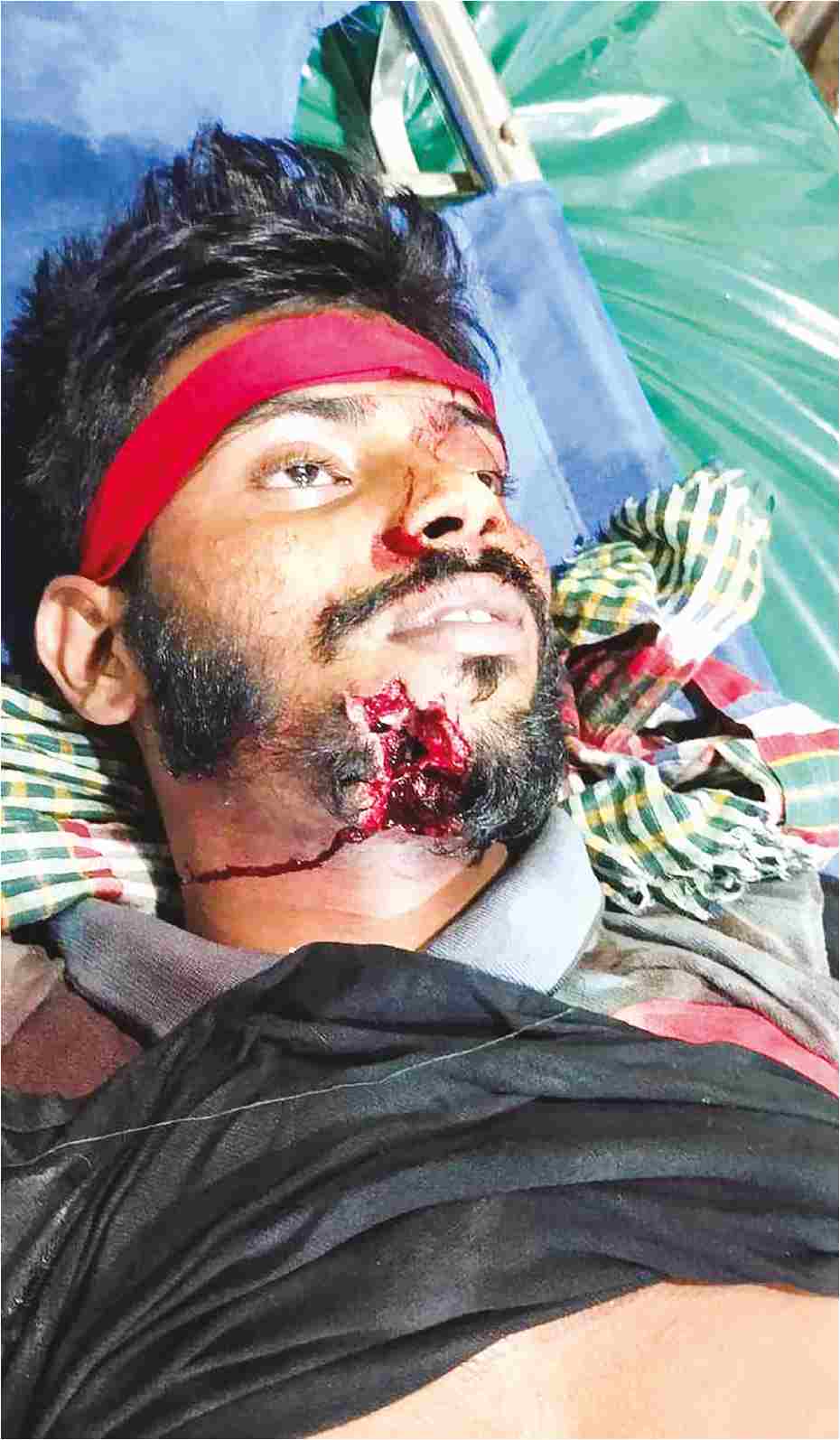
On August 4, the police launched an even more brutal attack than on previous days. It is believed that Tahidul was assassinated by a sniper positioned on a high-rise building. A portion of his chin was completely destroyed by a bullet.
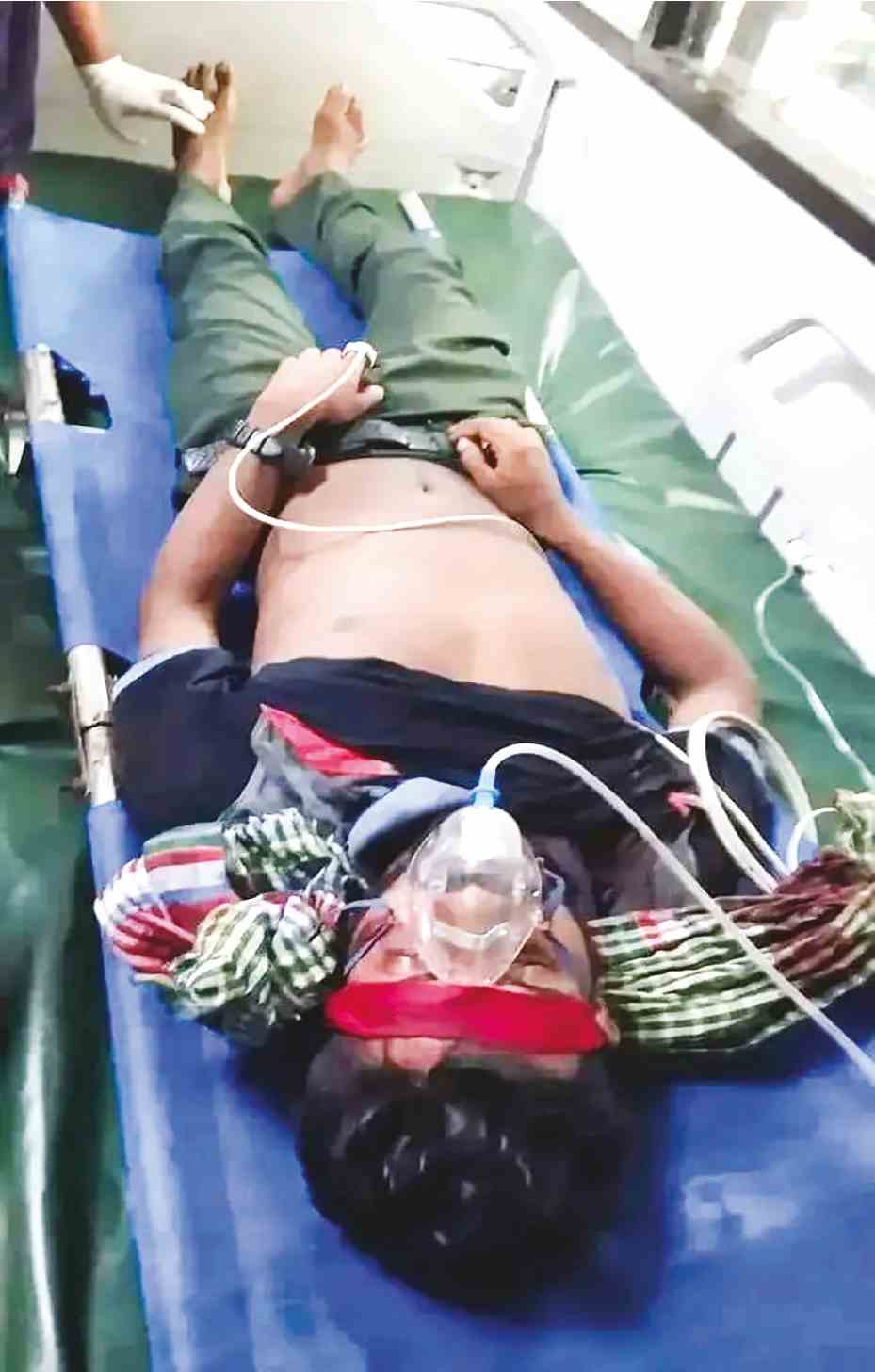
Immediately after the incident, Tahidul was rushed to Dhaka Medical College Hospital (DMCH), where the attending doctors declared him dead at 5:40 PM. However, in reality, Tahidul embraced martyrdom right there on the streets.
Statement from the Family
Tahidul Islam’s elder brother, Tarikul Islam, stated that a case had been filed against Sheikh Hasina and 47 others. The accused include:
• Obaidul Quader (General Secretary of Awami League and former Minister of Road Transport and Bridges)
• Asaduzzaman Khan Kamal (Former Minister of Home Affairs)
• Shajahan Khan and Ali Arafat (Former Ministers)
• Chowdhury Abdullah Al-Mamun (Former Inspector General of Police)
• Harun-or-Rashid (Former Chief of Detective Branch)
• Habibur Rahman (Former DMP Commissioner)
"We demand justice for our brother’s murder," Tarikul Islam declared.
Proposal:
1. Provide both monthly and one-time financial assistance to the victim families.
Martyr’s Profile at a Glance
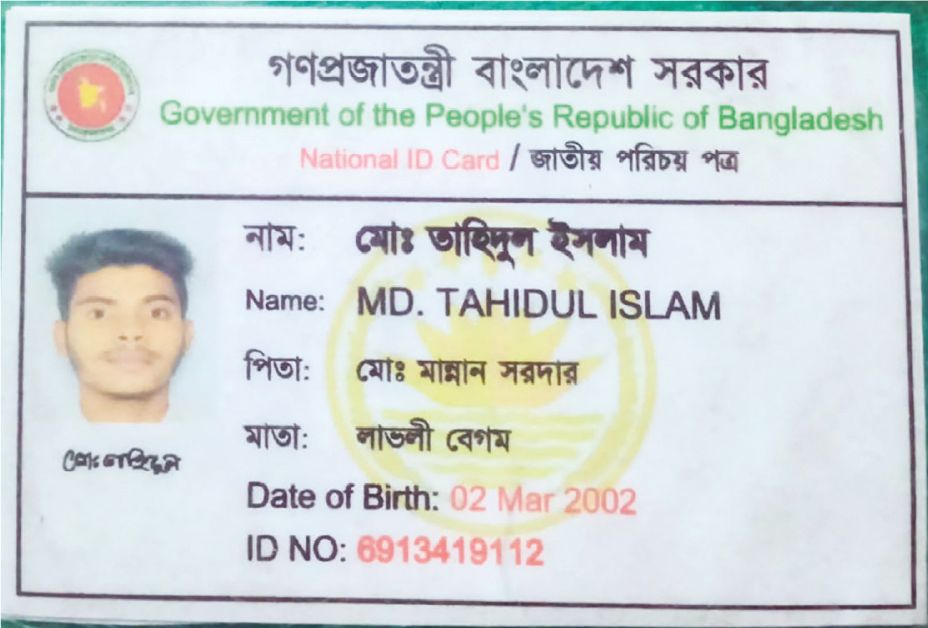
Name: Md. Tahidul Islam
Occupation: Student, Kabi Nazrul College
Date of Birth: March 2, 2002
Father: Md. Mannan Sardar
Mother: Lovely Begum
Date of Injury & Martyrdom: August 4, 2024
Place of Martyrdom: Farmgate, Dhaka
Attacker: Police
Burial Place: Banaripara, Barishal
Current & Permanent Address:
Sardar Bari, Village - Boro Chaula Kathi, Post Office - Chakhar, Banaripara, Barishal
Condition of House & Property: Own house in the village
Quranic Verse
Indeed, Allah has purchased from the believers their lives and their properties for [that] they will have Paradise. They fight in the cause of Allah. (Surah At-Tawbah 9:111)
Hadith Sharif
Abu Huraira (RA) reported: The Messenger of Allah (SAW) said, "Whoever sincerely asks Allah for martyrdom, Allah will grant him the status of martyrs." (Sahih Muslim 1888)
👥 Shaheeds from the Same Division
Dhaka_City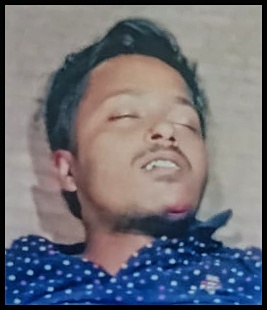


Memorial Photo Gallery