📱 Smart QR Code
Scan to view & share this memorial biography directly.
🌹 Prayers
Click to send your sincere respect and prayers for this hero
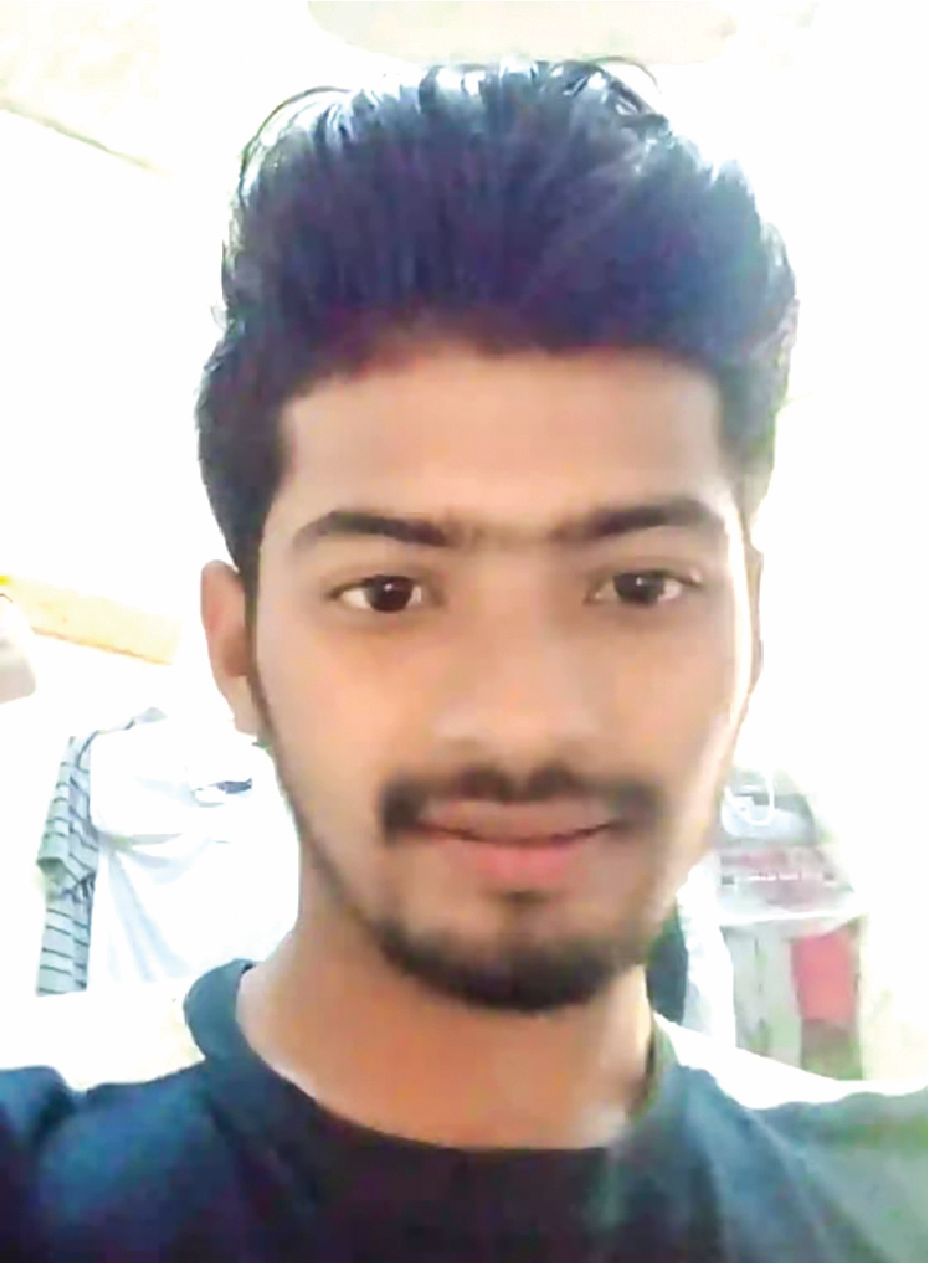
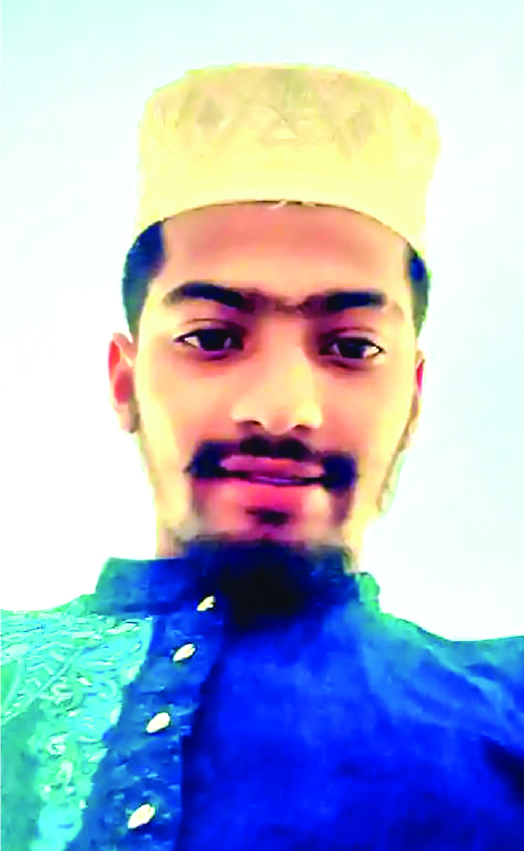
Md. Sifat Hossain
📅 Date of Birth
20 May, 1999
🕊️ Date of Martyrdom
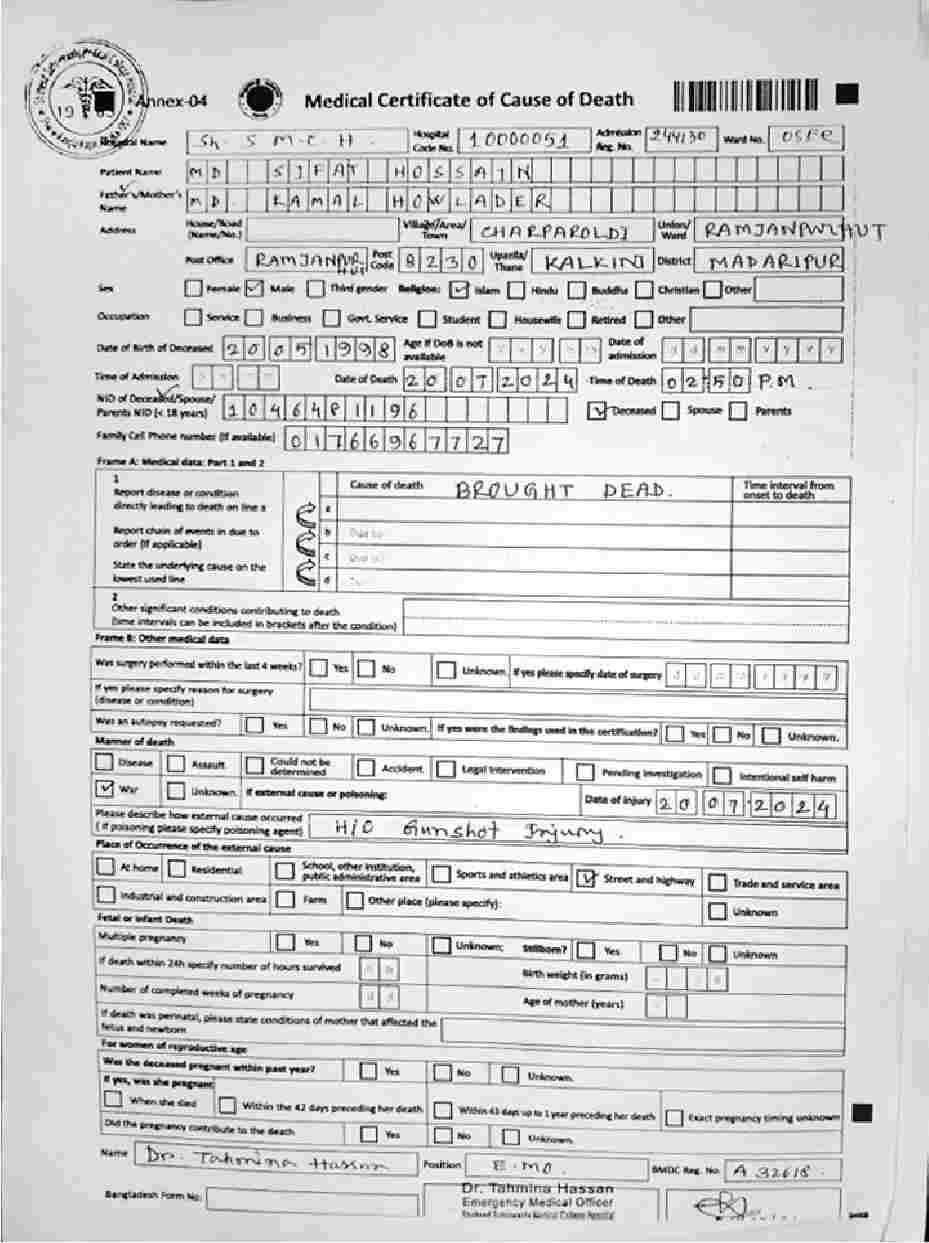
20 July, 2024
🗺️ Division
Dhaka
📍 District
Dhaka
👤 Short Biography
Profession: Laborer
Place of Death: Mirpur-10 Gol Chattar, beside Metro Rail’s 252nd pillar
Incident Details & Martyrdom Narrative
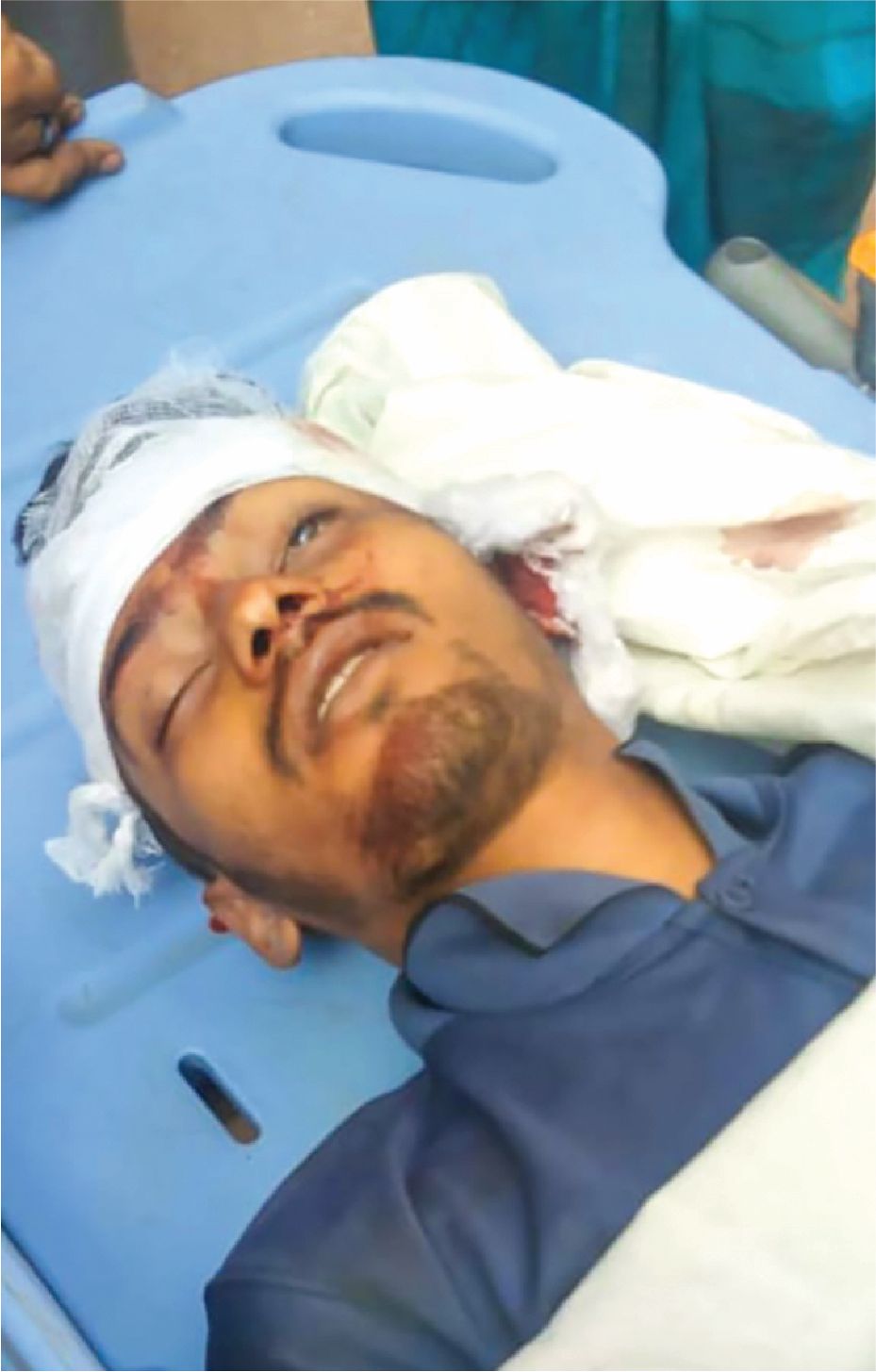
Though he never reached university gates, his mind's window never closed. When classrooms remained inaccessible, people choose the world beyond. Thus, after spending three years in Saudi Arabia, he returned—not due to any crime but with the sole "crime" of dreaming. In his pocket lay a visa for Italy, and in his hand, a ticket dated July 25th. A new life awaited him in Europe. But five days earlier, on July 20th, a bullet ended it all. A gunshot to his head under the heated shadows of Mirpur severed all ties with the world in an instant. His dream of Italy was buried at Azimpur cemetery.
His address was 102/1 Senpara, Mirpur — a rented house where workers’ sweat stained the walls, and the roof bore the weight of daily struggles. Now, only absence lingers there. His father's voice chokes with grief, as if a daily mourning session echoes with the dawn prayers. His mother silently gazes at her son's empty bed; the state does not hear her cries, the media turns a deaf ear, but the walls catch the echoes of her wails.
His brother Rifat no longer speaks, staring blankly at the empty walls, once hoping that his brother would one day return from some Italian station calling home. His sister Jannat’s words seem swallowed by the silent air since her brother’s martyrdom.
Sifat was no leader, no political pawn, no hero on a stage. He was an ordinary young man of flesh and blood, worn hands, and hard-earned bread. His "crime" was to dream. His crime was to hold truth in a stagnant state.
The July revolution did not make him a martyr; the state’s eyes that refuse to see people did. But history will not forget him. Because those who dream and pay the price in blood are never erased from the soil.
Background of the Movement
Bangladesh 2024 — a bloody calendar, with every page inscribed with students’ tears, mothers’ vigil, and the state’s silent cruelty. In this year, blood and flags became shadows of one another, where touching one drenched the other. The demand for quota reform, the restoration of democracy, and state reform led the student masses into rebellion — a rebellion that questions the past and rewrites the future.
The march was not just banners or slogans; it was poetry, video footage, and blood-written protest. Some chanted on streets, some recorded on phones, others offered first aid with battered heads, and many brought food and water to the hungry. This new generation knows that states can be shaken not by bullets but by videos, information, and public opinion. But the state that fears truth fears the camera. Facing the camera, it roars bullets.
Moment of Martyrdom and the Agonizing Battle Afterward
On July 20, 2024, the sky was gray, heavy with the scent of blood. Around 1 PM near pillar 252 of the Mirpur 10 Metro Rail, on the fourth floor of an under-construction building, stood Sifat, mobile in one hand and the weight of truth in the other. Beside him were his father Kamal Howlader, a sanitary worker but above all, a father witnessing how a bullet ripped through his son’s head, how the brain spilled onto the concrete floor, how a youth bound for Europe began a journey toward death.
Sifat’s last word was "Abbu" (father). Like an unripe fruit prematurely torn from a tree, he fell onto his father’s shoulder. The bullet took not only blood but a possibility, a family’s dreams, and the silent conscience of a society. On his father's shoulder was not only a dead body but a shattered future.
The state? It stood silent as if seeing nothing. Those who saw and heard — we remember. The sound of bullets still rings in the air, preserved in video footage and inscribed in poetry lines. History will one day judge this cruel time by the trail of these bullets. On the streets of Mirpur, not just a young man died — the courage of the state died, and a silent but resonant revolution was born.
Post-Mortem and Funeral Struggles
After the shooting, Kamal Howlader faced countless obstacles taking his son to Al-Helal Hospital, where doctors declared him dead. Post-mortem was demanded before handing over the body. Kamal protested, saying, "I saw the bullet wounds myself, why cut further?" But official rules required paperwork before releasing the body. Locals told him, "We've been waiting for two days; no one is giving bodies. You won't succeed." After much pleading and conflict, he finally left with the body, only to be stopped by police who cited paperwork and permits as excuses, even using threats and insults. The state seemed intent on snatching away the body from a grieving father.
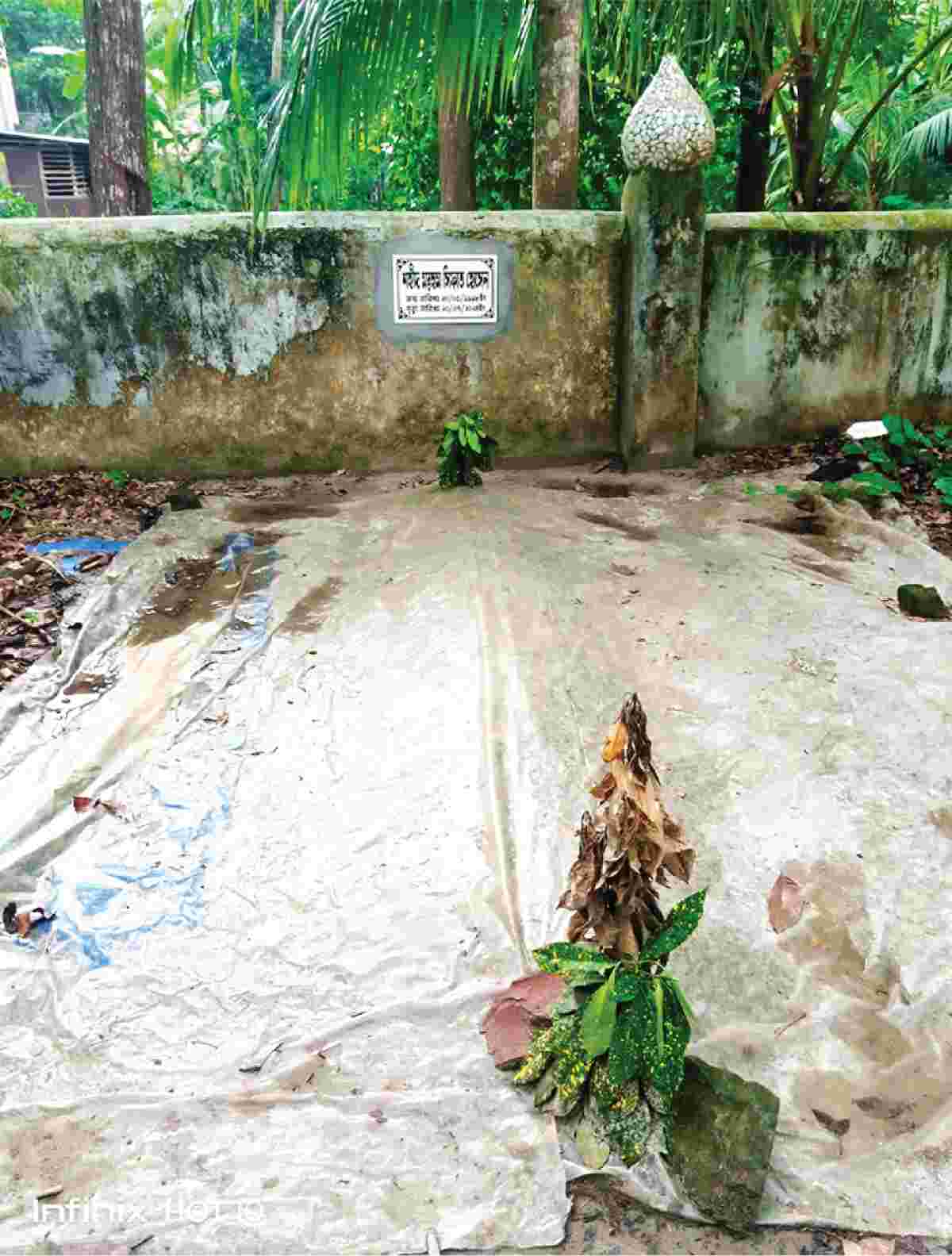
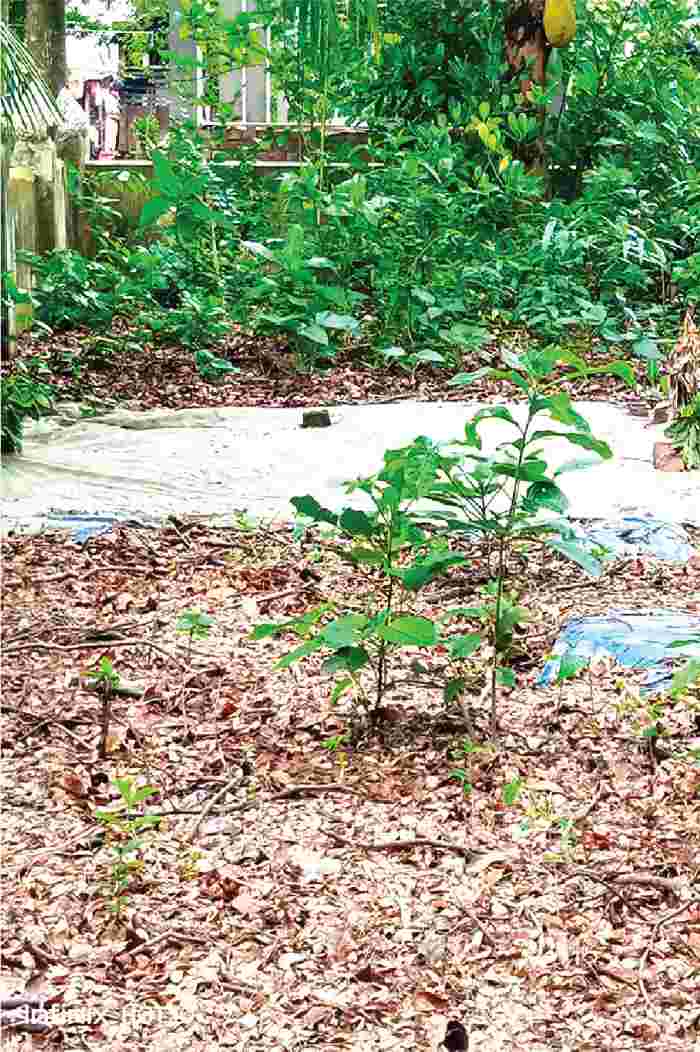
At last, in a nightmare journey, Kamal rented a vehicle and carried his son's body to Madaripur late at night, where he was laid to rest in the family graveyard in Kalkini. The state killed not only Sifat but repeatedly killed Kamal Howlader — denying him his fundamental rights, turning his fatherhood and grief into crimes. Sifat’s blood spilled once, but Kamal’s heart bleeds every day, haunted by memories and the endless silence that follows.
Summary of Martyr’s Information
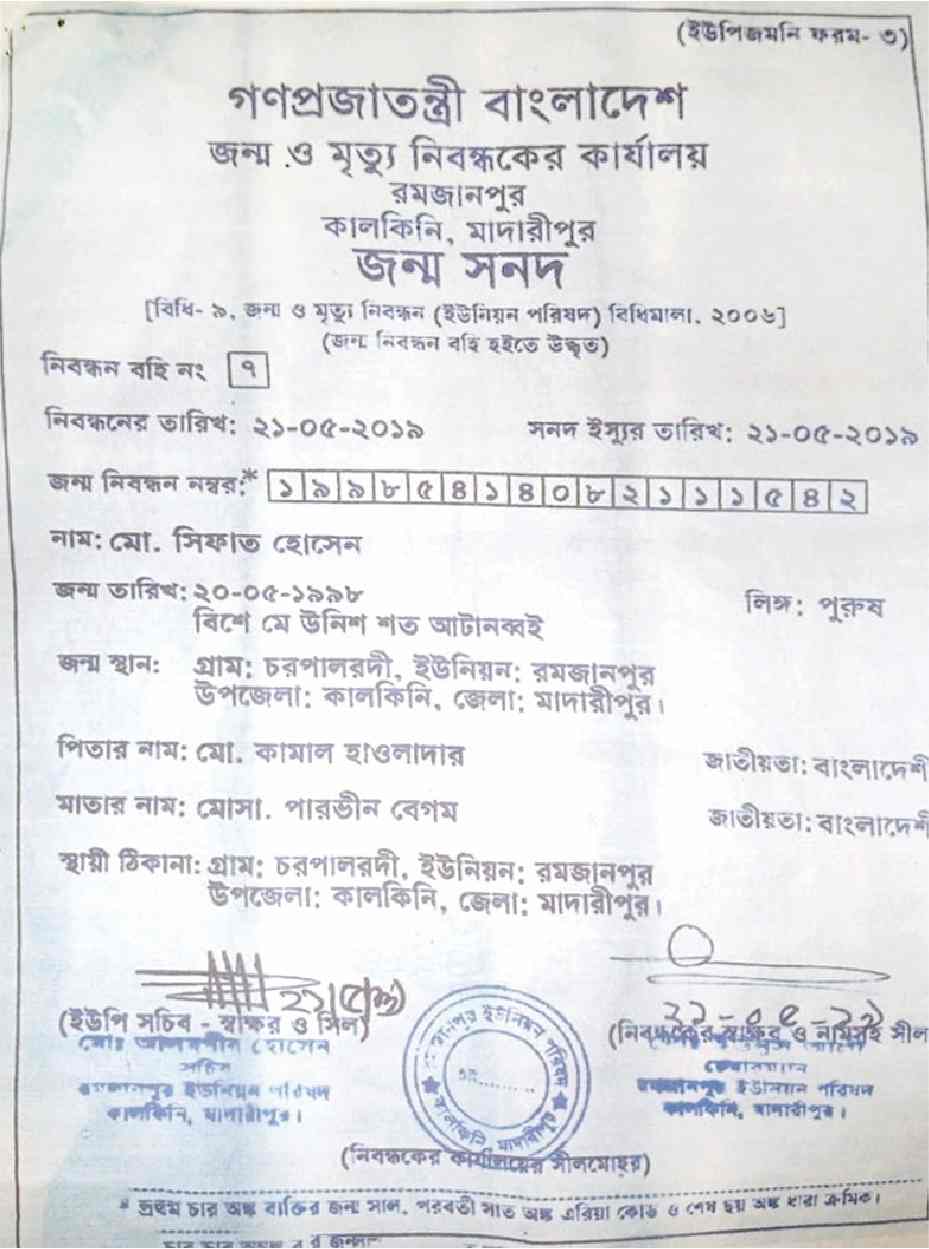
Name Mohammad Sifat Hossain
Date & Place of Birth 1999; Village: Charpalrdi, Union: Ramjanpur, Kalkini, Madaripur
Age at Martyrdom 25 years
Father's Name & Occupation Kamal Howlader (51), Sanitary Worker
Mother's Name & Occupation Parvin Begum (42), Housewife (Reported mental health issues)
Siblings Younger brother: Mohammad Rifat Hossain (18, HSC candidate, mentally affected after martyrdom)
Younger sister: Jannat (13, studying locally since martyrdom)
Permanent Address Charpalrdi village, Ramjanpur Union, Kalkini, Madaripur
Current Address (at incident) 102/1 Senpara, Mirpur, Dhaka (living with father and nephew)
Educational Qualification HSC passed (Bangla College, Dhaka)
Could not pursue higher education due to financial hardship
Quranic Verse
And do not say of those who are killed in the way of Allah, "They are dead." Rather, they are alive, but you perceive it not. (Surah Al-Baqarah 2:154)
Hadith Sharif
Abdullah ibn Masud (RA) reported: The Messenger of Allah (SAW) said, "The souls of the martyrs are in the bodies of green birds." (Sahih Muslim 1887)
👥 Shaheeds from the Same Division
Dhaka

Memorial Photo Gallery