📱 Smart QR Code
Scan to view & share this memorial biography directly.
🌹 Prayers
Click to send your sincere respect and prayers for this hero
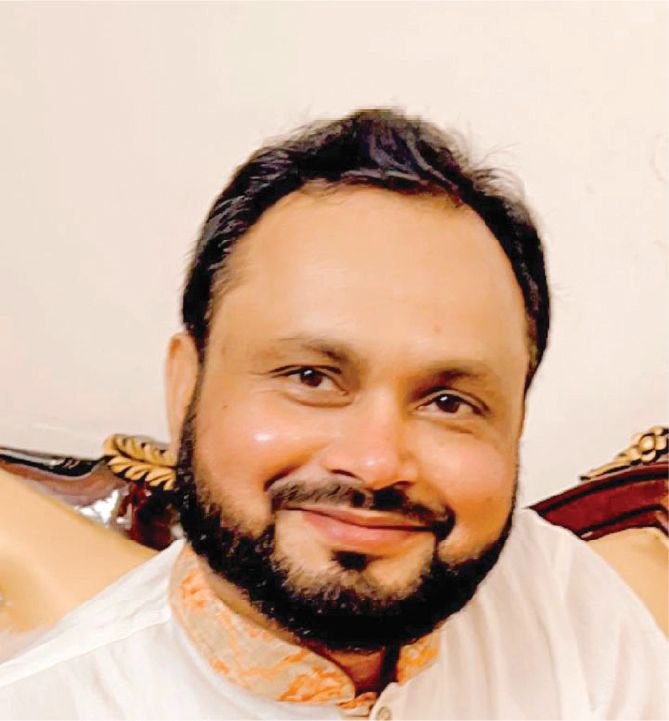
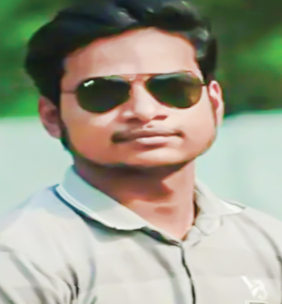
Mahbubur Rahman Sohel
📅 Date of Birth
20 February, 1992
🕊️ Date of Martyrdom
9 August, 2024
🗺️ Division
Dhaka
📍 District
Narayanganj
👤 Short Biography
Profession: Marketing Manager, Etihad Airways; Director, Nostrum Hospital & Diagnostic Center
Place of Death: Azampur, Uttara, in front of Bonoful Shop
Incident Details & Martyrdom Narrative
Born in Trishkahnia village of Rupganj, Narayanganj, Sohel was the son of late Lutfor Rahman Khan and late Suraiya Akter Khanm, whose legacy of integrity he carried forward. Despite living amidst the city's soaring skyscrapers, he never forgot the scent of the earth.
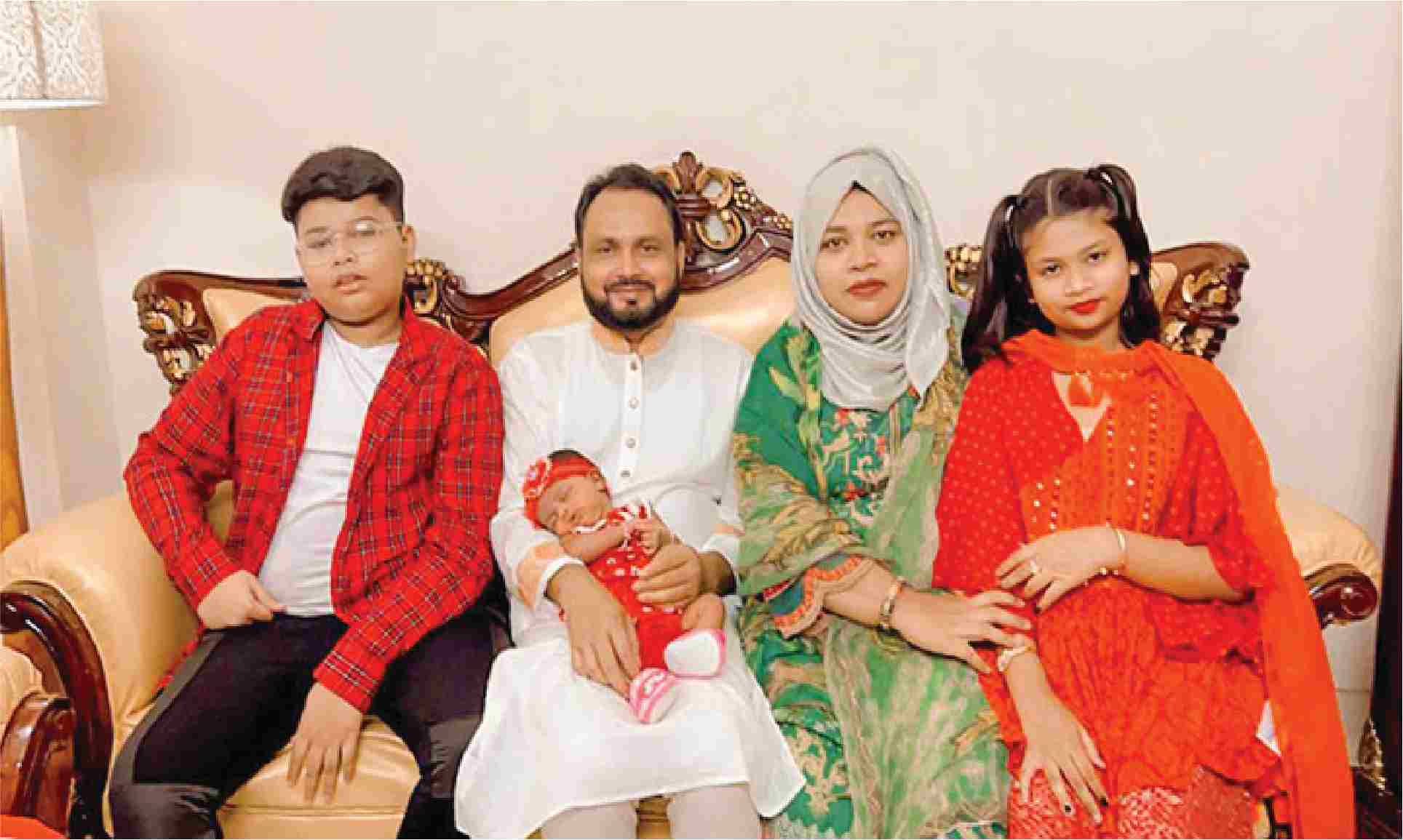
Highly educated, elegant, and deeply sensitive, he worked in the marketing department of Etihad Airlines and later became managing director of Nostrum Hospital. Yet, his identity extended beyond titles. Alongside his wife Mariam Khanam Rakhi and their three children — eldest son Mashrur, daughter Rubayda Rawja, and little Marwa Sura — he had built a beautiful life, a small yet complete world.
However, history chooses its people, and peaceful lives are rarely spared. In July 2024, when revolution blazed through the streets and unarmed students’ blood painted the roads red, Sohel could not stay home. He told a friend, “I cannot stay inside, conscience drives me to join the movement. If I survive, we will meet again.†What a strange and terrible prophetic farewell! Like a verse from Rabindranath Tagore, like the fiery voice of an ancient revolutionary.
His life had offered many comforts — an office AC cabin, a driver, weekly family meals, weekend movies or beach outings — but he left all behind to surrender to a collective conscience, one nearly extinct in today’s society. He stood on the blood-soaked streets as the conscience of a nation, not merely a sympathetic citizen but an active witness who could not turn away from truth.
He reminded us that martyrdom is not merely being shot; it is choosing a greater truth against all comforts. His death brings tears to our eyes, but those tears hold the color of fire — because Sohel taught us that those with conscience cannot remain silent.
Now, in the eyes of his three children, the father’s smile is missing; in Mariam’s hands, the familiar coffee cup Sohel used to sip before leaving for work is gone. Yet in their hearts burns the pride of a father, a husband, a man who wrote history with his blood.
Context of the Movement
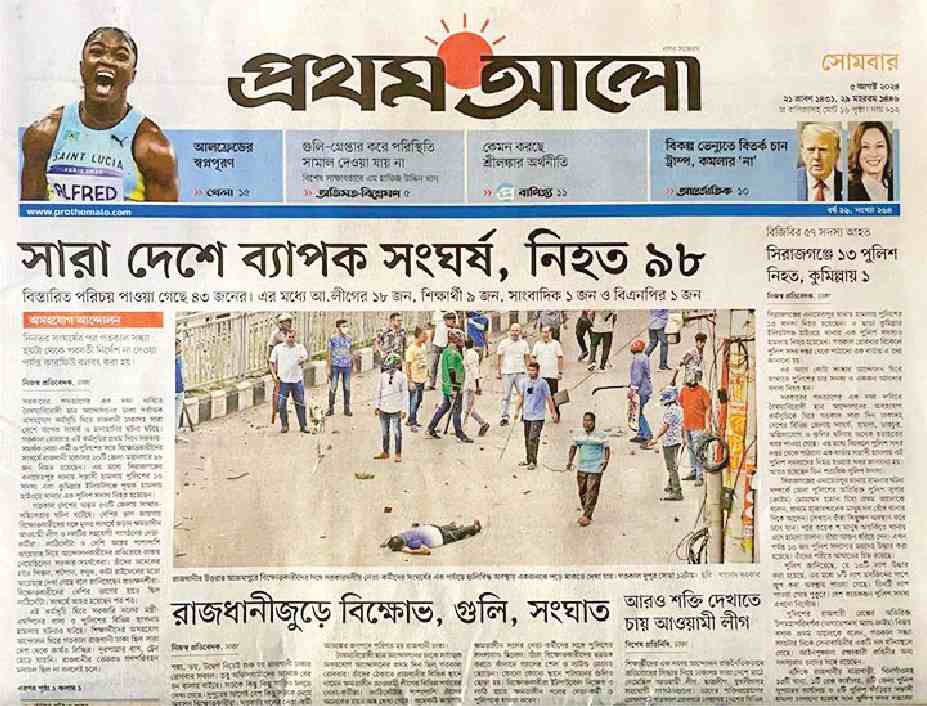
In July-August 2024, Bangladesh witnessed a burning headline etched on its history — not just another protest, but the unveiling of a fascist regime’s ultimate façade, the explosion of an oppressed generation’s pent-up sighs spanning years. The quota reform movement started by students was a long-smoldering fire against inequality, corruption, political deceit, and autocratic theatrics. After Sheikh Hasina’s one-sided election, attempts to reinstate the quota’s outdated ghosts broke the public’s patience.
This revolt, sparked by students, quickly spread into the consciousness of the masses — in rural areas, middle-class neighborhoods, university campuses, and social media alike. It was more than politics; it was a moral uprising centered on education, equality, and human rights. Its voice was unarmed but more powerful than any weapon.
Many stayed away, watching through cracks in windows, but Sohel’s role was unique and resolute. Not only did he join protests, but he also served behind the scenes as a brave shadow warrior. When students struggled against tear gas, Sohel rushed with food, water, and medicine. His wife Mariam recalls, “He couldn’t stay home, he was restless.†That restlessness was not mere impatience but the nation’s conscience stirring, a citizen’s anguish watching his country’s children bleed while he could only send emails from his office.
Though officially on home leave from work, Sohel spent those days on the streets, from July 16 to 31, standing as a steadfast shadow beside the students. Even amidst gunfire and repression, he did not retreat. His patriotism bore no diplomatic passport, only the blood-stained streets, the tear-soaked clothes of students, and the heart of an ordinary man.
His words “I cannot stay inside, conscience drives me†were not only personal but echoed the voice of a generation still haunting the air from Gulshan’s towers to the alleys of old Dhaka and remote villages.
He had already signed a pact where loving the country meant sacrificing one’s life. History embraces those who feel not their own pain but the nation’s suffering first.
Thus, this movement was not merely political; it was a conscience uprising called the “July Revolution,†and men like Sohel were its finest sons.
Tragic Story of Martyrdom: An Immortal Departure, a Bloodied Resolve
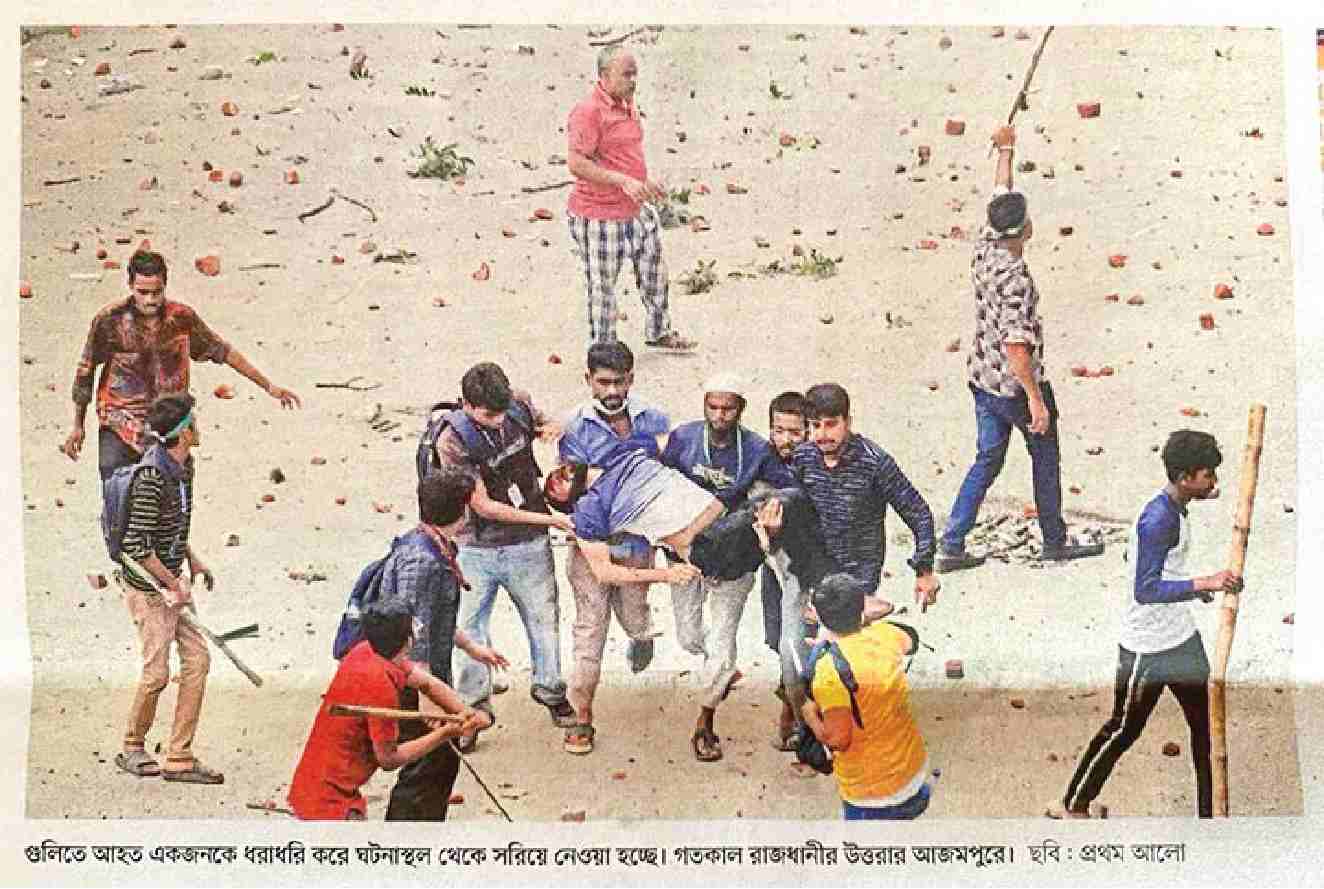
On August 4, 2024 — the day before Victory Day — the sun was dark as if weighed down by bullets; the air was heavier than lead. At noon, in front of Bonphool Sweet Store at Azampur Bus Stand corner in Uttara, Sohel stood with fire in his chest and silent rebellion in his eyes, facing the state’s forces.
Despite police gunfire, he stood firm, as if daring, “Your threats cannot touch me.â€
It was no scripted drama or movie dialogue, but the final declaration of a living heart. When the shots rang out, Sohel fell from a gunshot to his head. His bloodied body lay on the road for a long time, as the state watched silently — blood flowing, but no helping hand extended. Around him, only tear gas, bullet storms, and brutal police barricades surrounded him. His comrades could not even touch him — love, courage, and respect all held captive by the bullets’ grip.
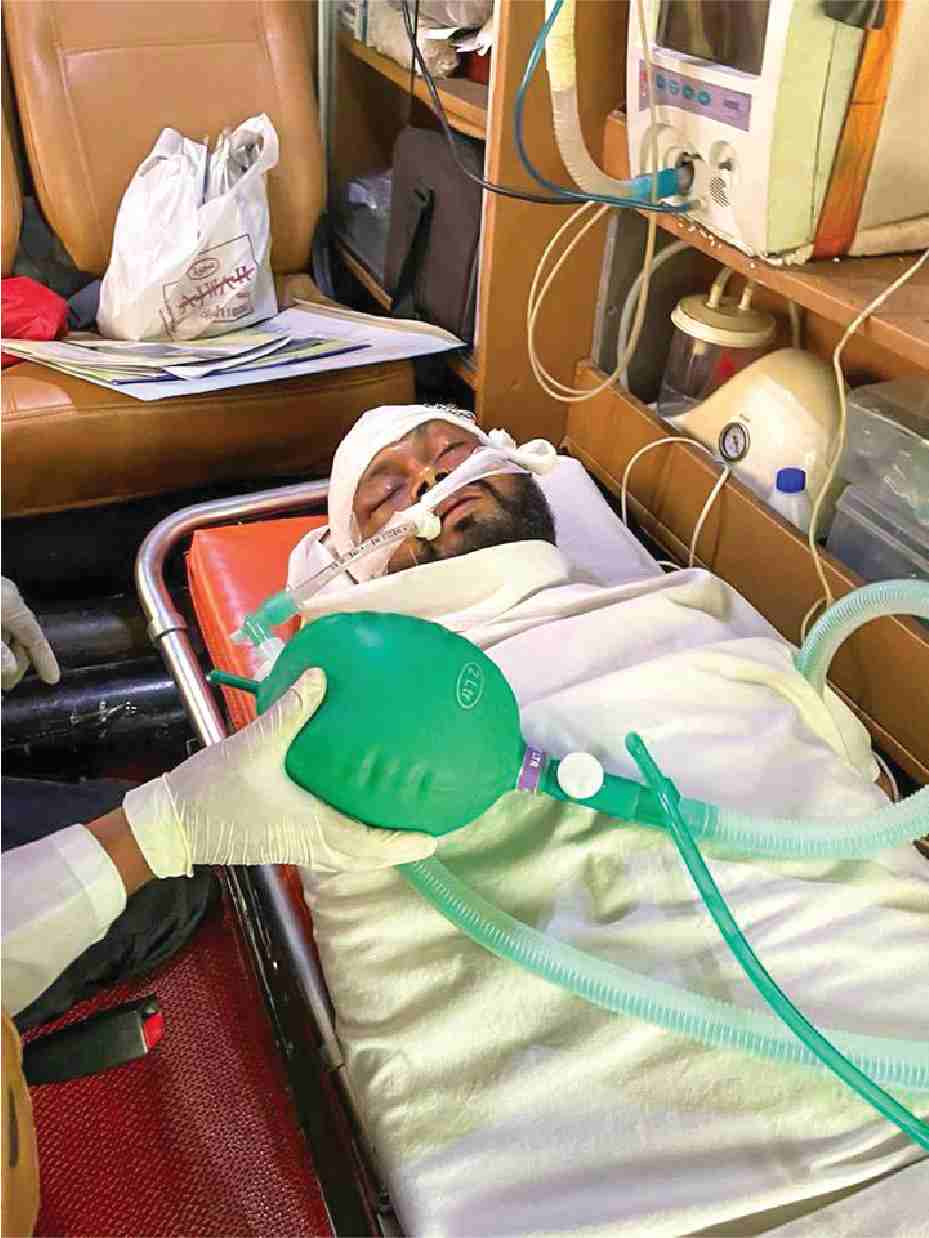
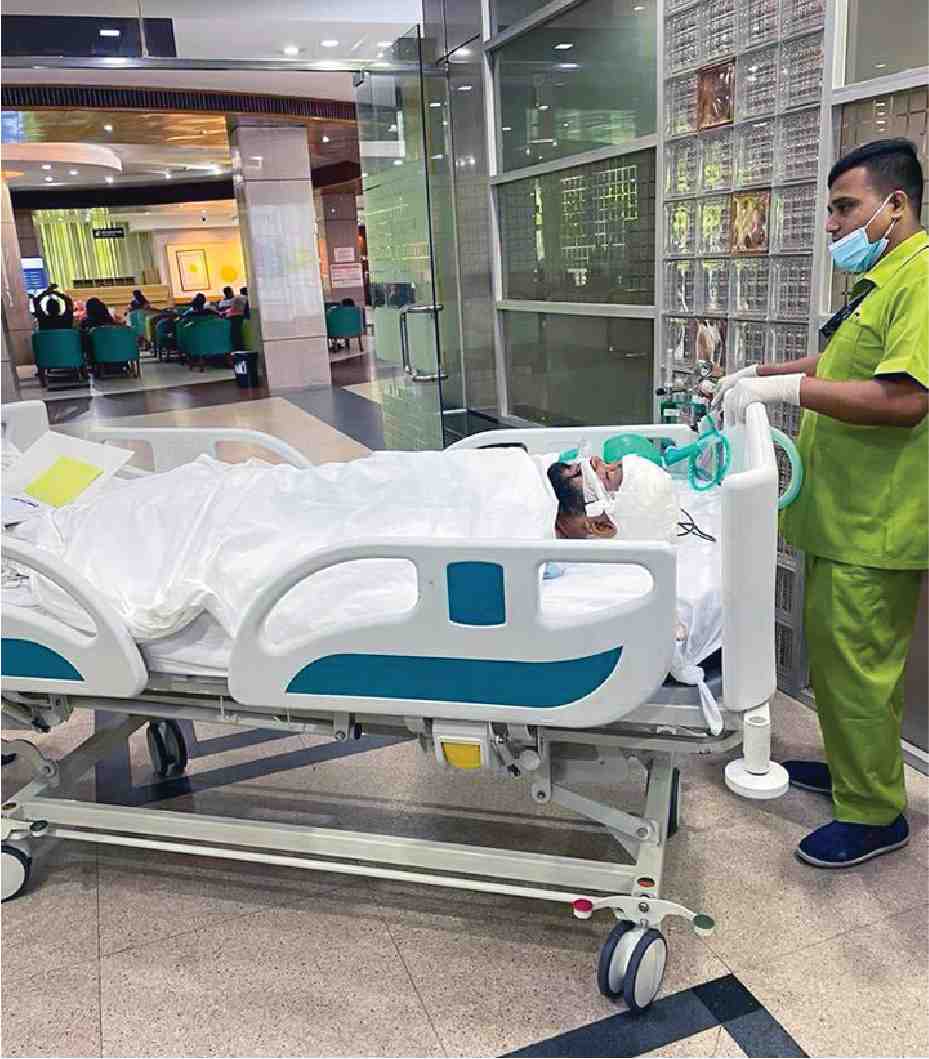
After great risk, he was taken first to Bangladesh Medical College, then to Kachukhet Hi-Tech Hospital, and finally on August 5 to United Hospital’s ICU in Gulshan. Each hospital became a monument to failure, where technology, medicine, and humanity all failed to stop his bleeding.
The bullet in his head not only took his life but sealed a coffin over the nation’s future.
On Friday, August 9, at 11:30 PM, he left silently without awaiting anyone’s tears or receiving any state salute — stepping quietly into the next chapter of history. Until the end, he never spoke of his children’s names, his wife’s pleas, or his own pain. His last wishes were for the country: “They must not fall behind,†“Have they received food?†“If my life ends, the movement must not stop.â€
Sohel was never an orator, never on banners, never in news, never on party posters. Yet his presence was as firm as stone, silent as a mountain, and a source of inspiration. He gave up his corporate life, family luxuries, and his children’s futures to stand beside the nation’s dream. He loved his country like a lover, like a child, and wanted to protect it like a father.
His death is not just the story of a heart stopping. It is the history of conscience leaping into fire in the flesh. This death is not only Sohel’s but a defeat of justice, humanity, and conscience in this state.
And we, the living, carry that blood’s burden. The weight of the question, “So, are we really a country?â€
Family’s Grief and Struggle to Survive: A Bloody Solitude, An Unending Wait
When every life story is written in blood and thorns, words fail, leaving only sighs, tears, and endless waiting — a waiting that never ends.
Since Sohel’s departure, eternal sorrow has settled in a broken home and a lonely heart. Mariam Khanam Rakhi is no longer just a wife; she is the protagonist of a devastated epic — mother of three, struggling each day to live with her husband’s bloodied memory.
“My children must not become a burden to the state or society,†she says, her voice choked with plea. A graduate herself, once dreaming of a comfortable life with her husband and children, today her dreams lie buried in a coffin — just like Sohel’s last shirt, lying unused and incomplete on a bloodstained bed corner.
She asks not for pity or charity but for a dignified job and a safe shelter. This struggle is not a tale of one woman’s loss; it is a fight for a martyr’s family’s survival, where a father’s image lives not just in a frame but in every corner of their future.
Their little child, Marwa Sura, only one year and four months old, cannot yet understand what death means. When the doorbell rings, she runs shouting, “Daddy!†— a single word holding a thousand years of sorrow. But no door opens, no arms reach out. That word becomes an unanswered question pounding on a wall — do fathers truly come back in this country?
The eldest son, Mashrur, still simply says, “My father was a very good man. Allah surely has good plans for him.†His innocent faith survives only in prayers, hope, and his father’s courage.
Their small dreams now are for a modest job, respect, security, and a future.
But what about the state? Has the state truly honored this martyr’s family or only offered condolences with flowers? Sohel was not just a corporate officer; he was a reflection of society — a brave, educated, principled citizen who sacrificed his life for the future.
Yet that future’s path has left his family silent, lonely, and neglected.
In Mariam Khanam Rakhi’s eyes are no tears, only resolve: “His sacrifice cannot be in vain, not by any means.†She lives bearing that vow, a remaining light of a nation’s conscience.
If we forget this family, we do not only forget one family but an entire nation.
Martyr Mahbubur Rahman Sohel at a Glance
Name Mahbubur Rahman Sohel
Profession Marketing Manager, Etihad Airways; Managing Director, Nostrum Hospital and Diagnostic Center
Birthplace Trishkahnia, Rupganj, Narayanganj
Current Address House 6 Tora, East Dhaka (Previously own flat in Uttara)
Father Late Lutfor Rahman Khan
Mother Late Suraiya Akter Khanm
Wife Mariam Khanam Rakhi
Children Mashrur (12 years), Rubayda (10 years), Marwa (1 year 4 months)
Date & Time of Shooting August 4, 2024, 12:00 PM
Location of Shooting Azampur, in front of Bonphool Sweet Store, Uttara
Date & Time of Death August 9, 2024, 11:30 PM
Place of Death United Hospital
Burial Place Next to mother’s grave, Jannatul Mawa Cemetery, Mirpur 11
Recommendations
1. The state should officially recognize Mahbubur Rahman Sohel as a martyr.
2. Provide a permanent job for the martyr’s widow.
3. Arrange full educational scholarships for his children.
Quranic Verse
Never think of those who have been killed in the cause of Allah as dead. Rather, they are alive with their Lord, receiving provision. (Surah Al-Imran 3:169)
Hadith Sharif
Abdullah ibn Masud (RA) reported: The Messenger of Allah (SAW) said, "The souls of the martyrs are in the bodies of green birds." (Sahih Muslim 1887)
👥 Shaheeds from the Same Division
Dhaka
Memorial Photo Gallery