📱 Smart QR Code
Scan to view & share this memorial biography directly.
🌹 Prayers
Click to send your sincere respect and prayers for this hero
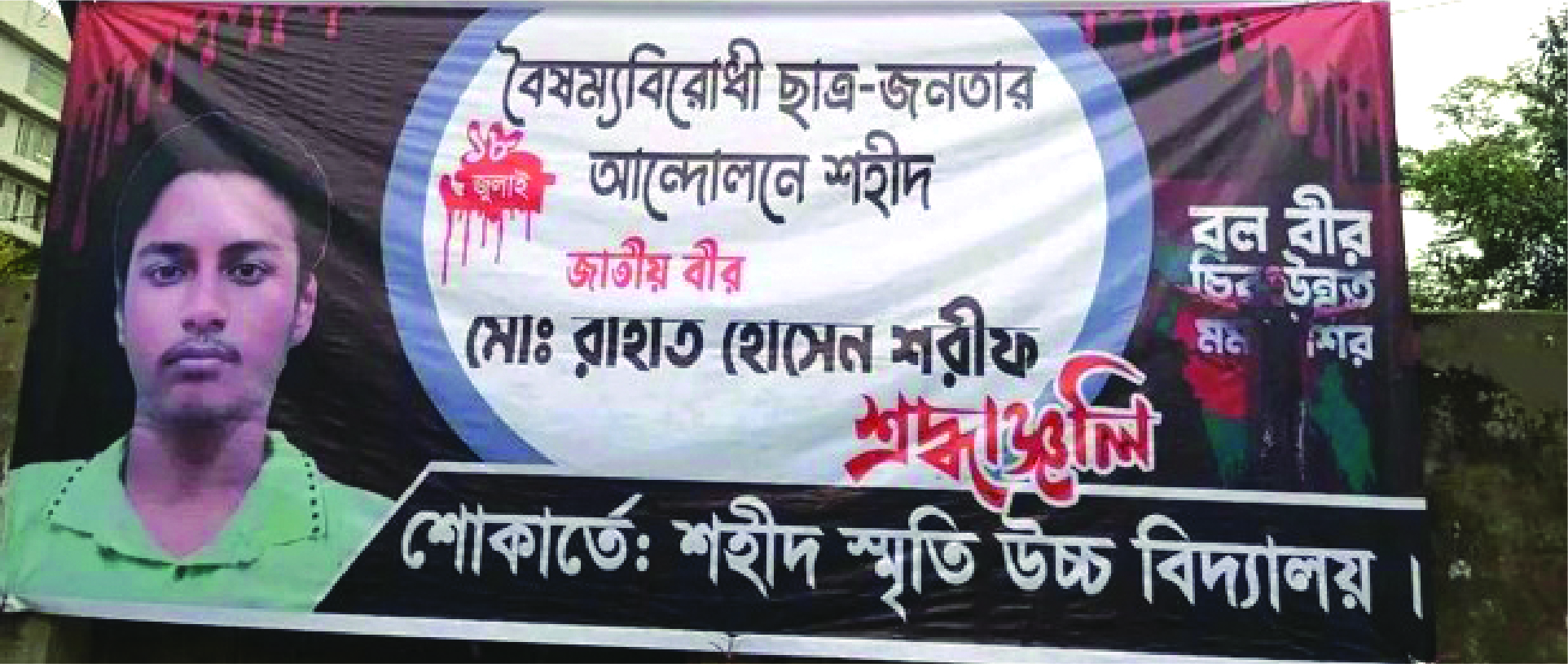
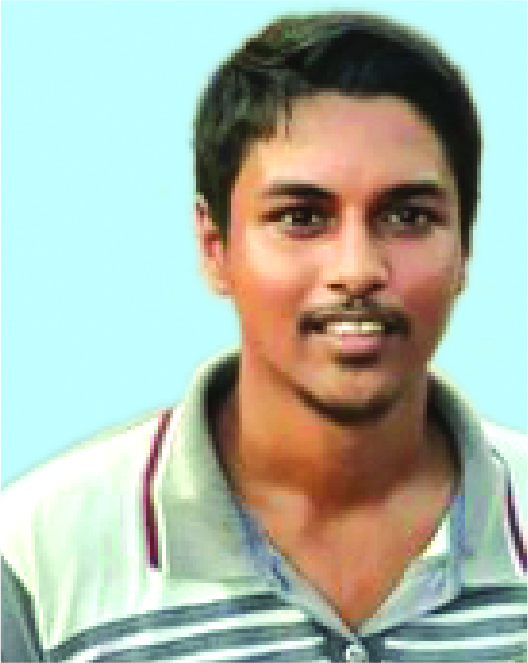
Rahat Hossain Sharif
📅 Date of Birth
12 September, 2008
🕊️ Date of Martyrdom
18 July, 2024
🗺️ Division
Dhaka
📍 District
Gazipur
👤 Short Biography
Profession: Student
Place of Martyrdom: Azampur
Incident Details & Martyrdom Narrative
"What was my son's crime?" - A helpless mother's question.
Personal and Social Life
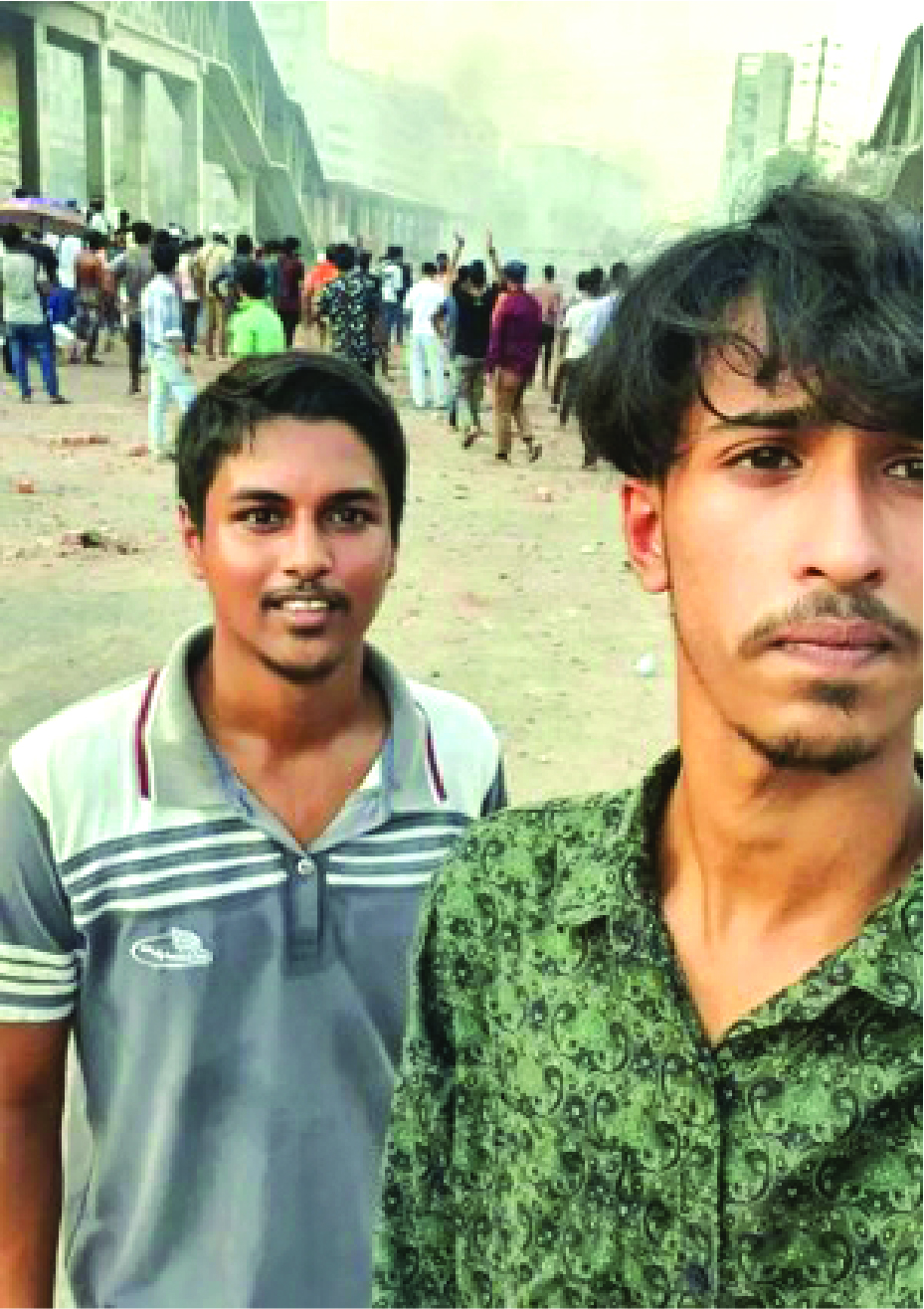
Shaheed Rahat Hossain was a conscious young man with a far-reaching vision. He always dreamed of societal change and wanted to build a clean, pollution-free country. To achieve this, he joined "BD Clean" as a volunteer at the beginning of 2023, contributing to various social services in his area. He won everyone's heart with his humility, politeness, and amiable nature. Rahat Hossain was also a regular reader, visiting his library often, with a strong preference for history-related books.
Family Status
Rahat was the only child of his parents. With his father living abroad, his family did not face significant financial issues. However, they did not own any property.
Participation in the Movement
In July 2024, the quota reform movement gradually turned into a public movement against discrimination. Initially, it was a peaceful student protest, but it soon evolved into a mass uprising against the fascist government. The movement spread across the country, and people from all walks of life, irrespective of their race, religion, or caste, joined the protests. The government, under the leadership of Sheikh Hasina, was forced to resign on 5 August due to the intensity of the protests. Before resigning, however, she left behind numerous hateful and cruel actions, including the deployment of armed forces to target the protesters.
The movement continued throughout July, with protests, marches, and struggles. The students' legitimate demands were met with repression instead of acceptance. On 15 July, members of the ruling party attacked protesting students at Dhaka University with sticks, iron rods, and machetes. The brutal actions included targeting innocent students, including women. Many students were injured and taken to hospitals, where they faced further attacks.
The protests only intensified after 15 July. What began as a demand for quota reform soon transformed into a movement to overthrow the government. In an attempt to hold onto power, the government resorted to mass arrests, forced disappearances, and killings. The government's response did not quell the protests but only made them stronger. On 16 July, mass arrests and killings were carried out, and despite all attempts to suppress it, the fire of resistance continued to burn.
The Incident of Rahat's Martyrdom
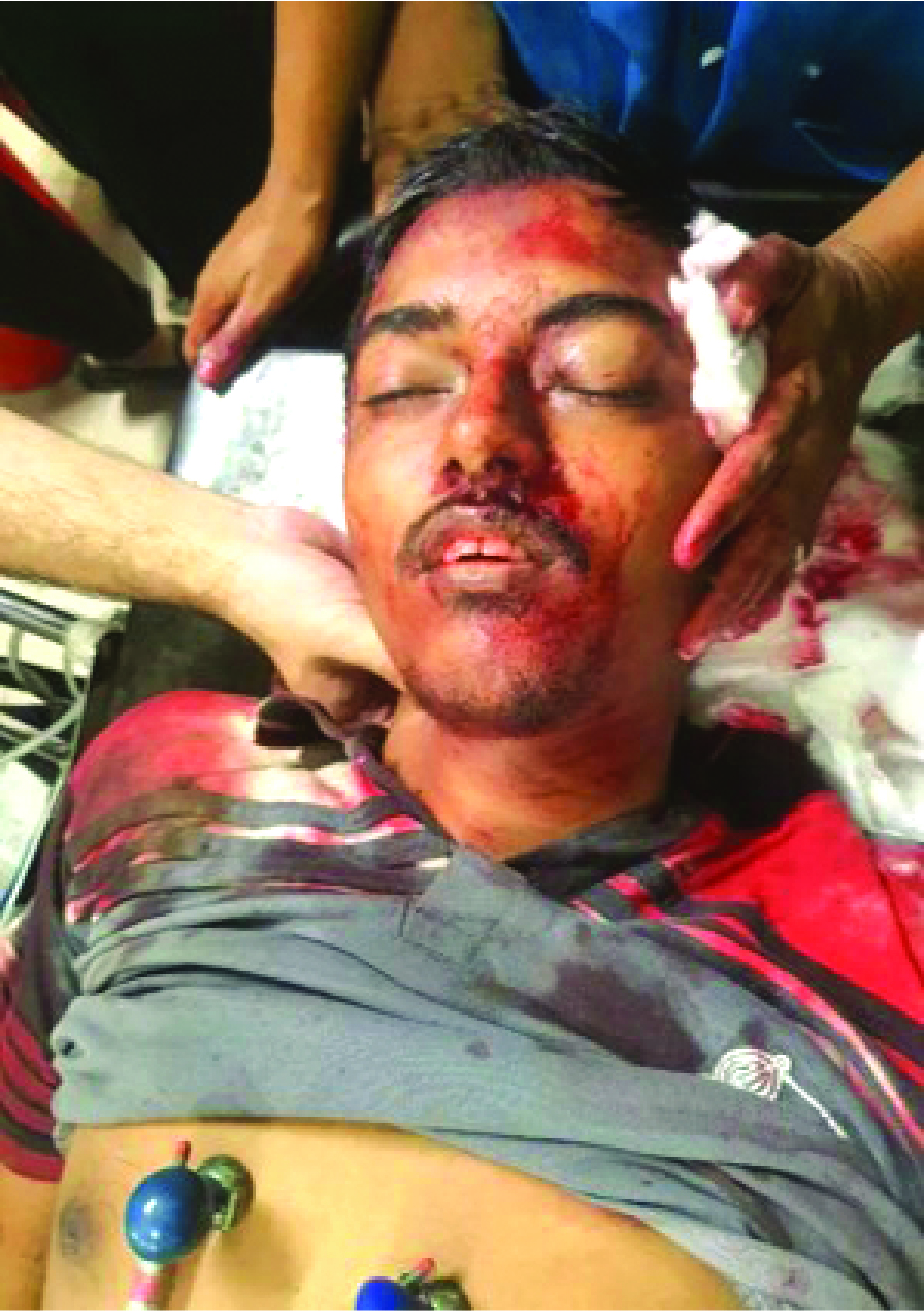
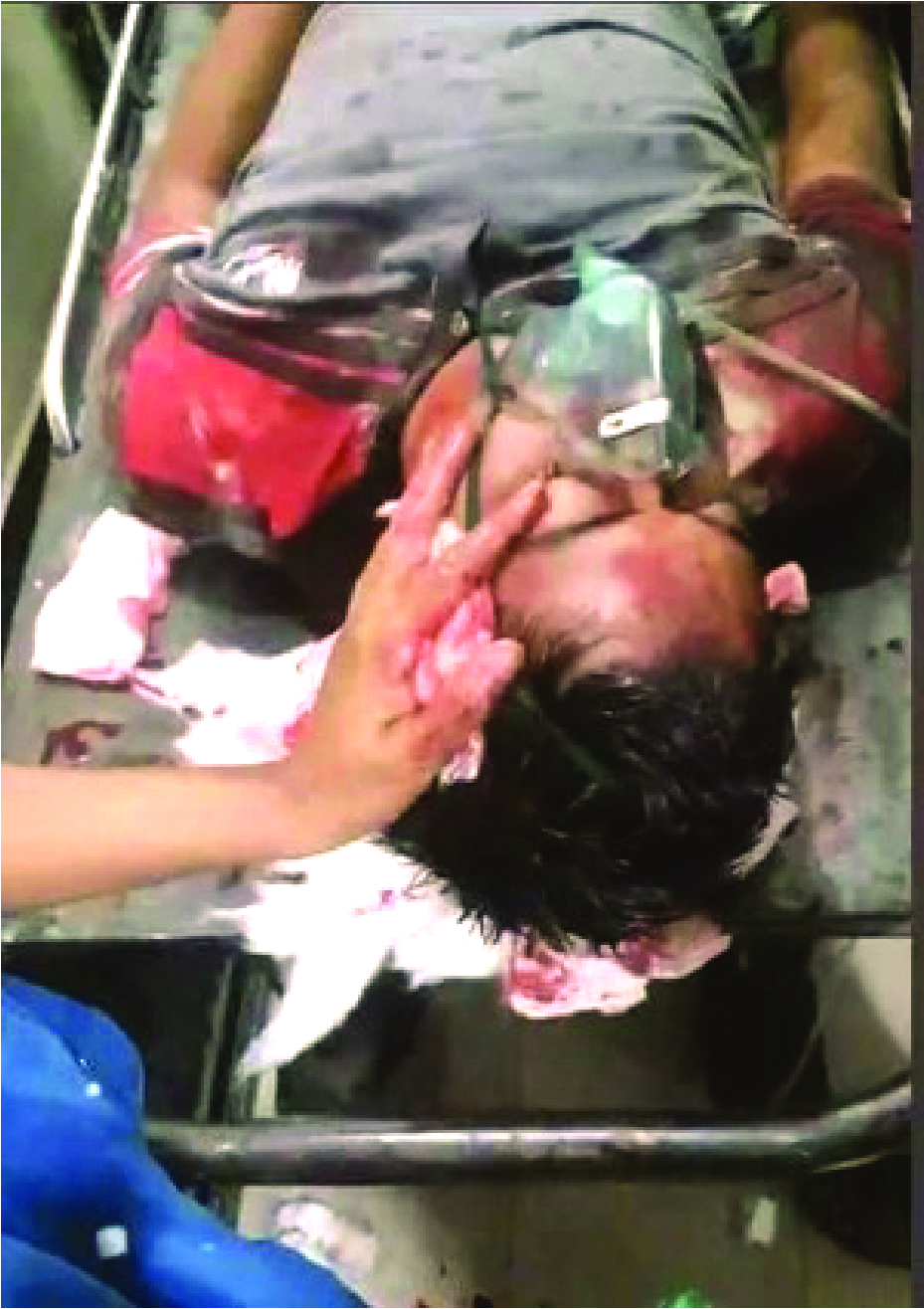
In the July Revolution, students played the most significant role. Students from schools, colleges, madrasas, and both public and private institutions participated in the protests. Rahat Hossain was one such student, supporting the movement wholeheartedly. On 18 July, clashes broke out between students and police across the city. The unarmed protesters were shot at indiscriminately by the police. The police, along with the ruling party's student wing, attacked the students using tear gas, rubber bullets, grenades, and other weapons. Rahat was shot in the head during these clashes in the Uttara area of Dhaka. He fell on the road, and despite severe blood loss, no one was there to take him to the hospital. Rahat was eventually taken to Uttara Modern Hospital, but the doctors were delayed due to the heavy pressure of patients. He was declared dead by the attending physician at around 7 PM.
Funeral
Rahat's family took his body from the hospital and buried him beside his grandfather's grave in their village in Narshingdi.
Reaction
Rahat's mother, heartbroken over the loss of her beloved son, became inconsolable. She would faint from crying while holding his picture. His father, who worked in Saudi Arabia, also lost his ability to eat and drink due to the grief.
Rahat had enrolled in the Humanities department at Nawab Habibullah Model School and College on 14 July, full of dreams for his future. His dream was to complete his studies and go to Germany, but his life and dreams were shattered by a bullet during the quota reform movement. His mother, Swapna Akhter, now clings only to his memories.
Feelings of Relatives
Rahat's mother said, "Despite our family's struggles, we never let Rahat feel the hardships. He was studying with the hope of going to Germany. We sacrificed everything to support his dreams. But now, all our hopes have been crushed. A single bullet shattered his future, his dreams. I lived for my son. Who do I live for now? My son was the fruit of my 20 years of struggle. He was never involved in any conflict. He prayed five times a day. What crime did my son commit? Who do I seek justice from? Who do I ask for justice for my son's death?" She broke down in uncontrollable tears.
Personal Information of the Shaheed at a Glance
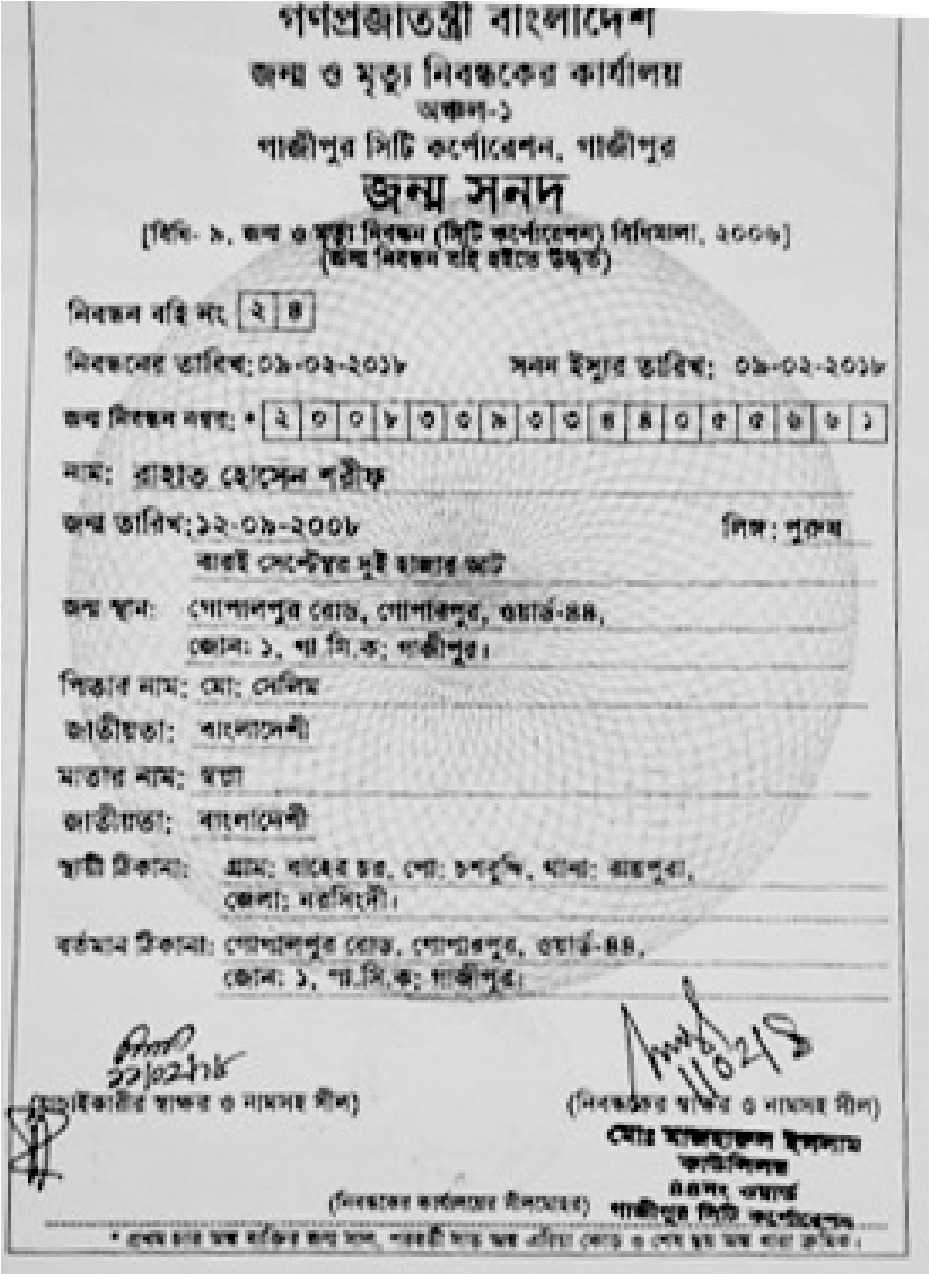
Name : Shaheed Rahat Hossain Sharif
Profession : Student
Date of Birth : 12-09-2008 Age: 15 years
Father : Mohammad Selim
Mother : Mosammat Swapna Begum
Date of Martyrdom : 18-07-2024
Place of Martyrdom : Azampur
Permanent Address : Village: Baher Char, Thana: Chashbuddhi, District: Narshingdi
Current Address : Gopalpur Ward 44. Tongi, Gazipur
Recommendations
1. Monthly support can be provided to the Shaheed's family.
2. Regular communication should be maintained with the Shaheed's family.
Quranic Verse
They rejoice in what Allah has bestowed upon them of His bounty, and they rejoice for those who have not yet joined them. (Surah Al-Imran 3:170)
Hadith Sharif
Abu Huraira (RA) reported: The Messenger of Allah (SAW) said, "Whoever sincerely asks Allah for martyrdom, Allah will grant him the status of martyrs." (Sahih Muslim 1888)
👥 Shaheeds from the Same Division
Dhaka

Memorial Photo Gallery