📱 Smart QR Code
Scan to view & share this memorial biography directly.
🌹 Prayers
Click to send your sincere respect and prayers for this hero
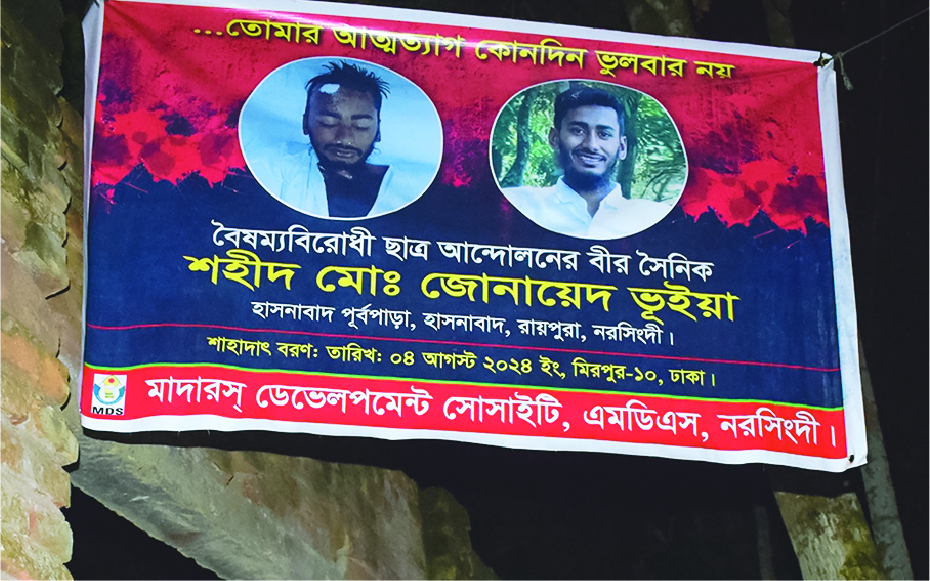
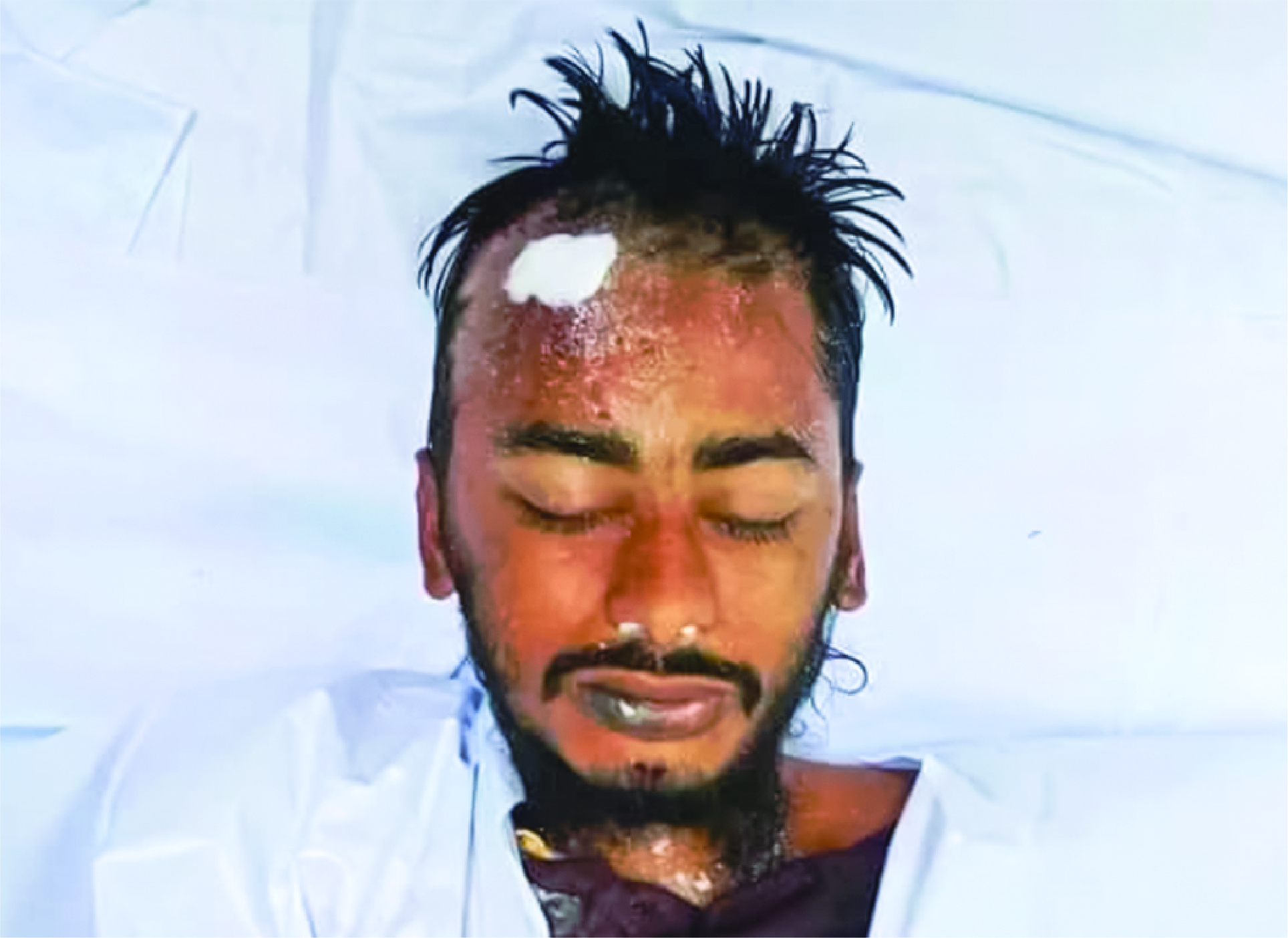
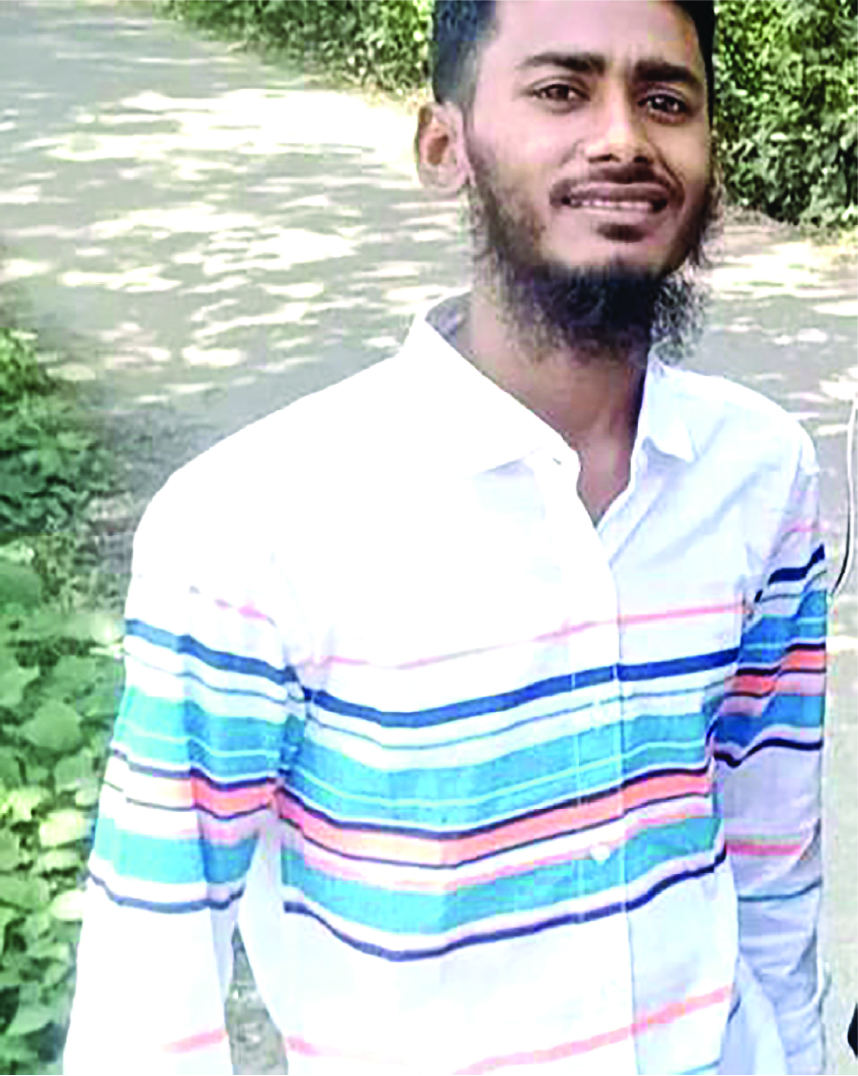
Muhammed Zunaid
📅 Date of Birth
15 January, 1997
🕊️ Date of Martyrdom
5 August, 2024
🗺️ Division
Dhaka
📍 District
Narsingdi
👤 Short Biography
Profession: Rickshaw Puller
Place of Martyrdom: Mirpur 10 (Mirpur Ideal College)
Incident Details & Martyrdom Narrative
Family Life
Shaheed Jonaid was the eldest son of the family. His father has a brick house but no income. Jonaid had been driving an auto-rickshaw in the Mirpur area for 4-5 years and lived with his family in the Mirpur Jallad Thana area. His father is unable to do any work. His father, Anwar Hossain, said that he had three sons and one daughter. Jonaid was the eldest of them all. After him, there was a daughter named Karima Khatun. She died of gallstones during the recent corona pandemic. The other two sons are Ariful Islam and Ashraful Islam. Being a child of an extremely poor family, he did not have the opportunity to study. After somehow passing the village primary school, he drove an auto-rickshaw in the capital Dhaka city to earn a living. His younger brother, Arif, works as a truck helper. Jonaid was married to Hafsa Khatun of Chalaakchar village, Narsingdi, in 2020. With the untimely death of the family's sole breadwinner, his wife, Hafsa Khatun, and the entire family are currently living in dire straits.
Background of the Movement
Since the inception of Bangladesh, the people have been the victims of various injustices, exploitation, oppression, and cruel tyranny. The freedom-loving people of this country have repeatedly stood up against such atrocities in response to the demands of the times. The students have also expressed their solidarity with the struggling masses. Moreover, glorious history is witness to the fact that movements and struggles have always originated through students in the critical times of the country. The 15 years of Awami misrule, vote-rigging, corruption, murder, injustice, and oppression had created a negative reaction in the public mind. The Awami government again started conspiring to re-establish the quota system.
In 2018, Sheikh Hasina accepted all the demands in the face of strong student protests, but she harbored the fire of hatred in her heart. Therefore, after consolidating power in a no-opposition election in 2024, the Hasina government again wanted to bring back the quota. A continuous movement started on July 1 for the reform of quotas in government jobs. This non-violent movement turned violent on July 15. Armed killer members of Chhatra League, Jubo League, Shechashebok League, and police began attacking the unarmed student public in the movement. Since the martyrdom of Abu Saeed in Rangpur, the movement turned into a mass movement. The quota reform movement gradually took the form of a public movement. It spread across the country as a movement of anti-discrimination students and the public. The non-violent movement of ordinary students at the beginning gradually started to move towards an anti-fascist government uprising.
Gradually, this movement was not limited to the students only; it became a huge mass uprising of the country's general public. Everyone, regardless of caste, religion, or creed, expressed solidarity with this uprising and took to the streets. Faced with the wrath of the angry people, the head of the autocratic government, Sheikh Hasina, was forced to resign on August 5. But before resigning, she left behind countless evil deeds of her vile and distorted mind. As part of this, the armed forces were unleashed on the protesters and many innocent people. Unarmed oppressed people were martyred by their bullets.
Joining the Movement
When the vehicle called Bangladesh failed its brakes in such a way, and the passengers called Bangladeshis were terrified; when there were clear signs of pain, suffering, screams, wailing, and certain destruction all around, could a rickshaw puller like Shaheed Jonaid sit idly by? Could it not leave a mark on his heart? Despite being a rickshaw puller by profession, such barbarity of the state machinery could also touch the mind of a socially conscious Jonaid. Because everything was happening right in front of him. He himself was hearing the terrible cries of the people; the wailing of pained hearts. He was seeing with his own eyes how indiscriminately people were being killed by the ruling class oppressors. During the anti-discrimination student movement, on Sunday, August 4, 2024, Jonaid joined the movement with his friends in the afternoon.
How He Was Martyred
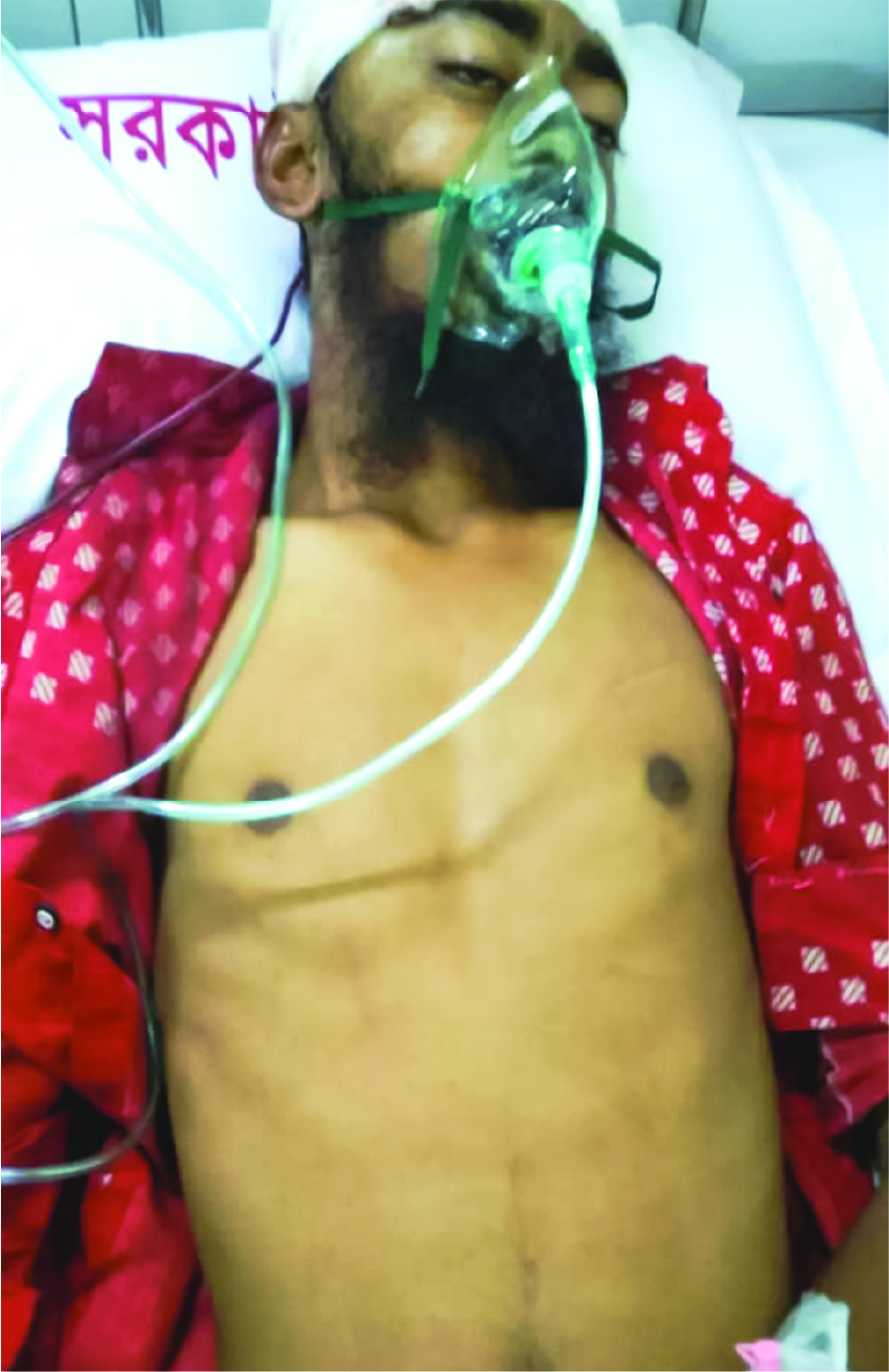
Shaheed Junaid was shot twice in this protest march. Although he survived the first time, he did not survive the second time. On July 25, while in a procession, he was hit by two rubber bullets in his right leg in the Kalyanpur area. Although he was able to remove the rubber bullets from his leg the first time, Junaid was martyred by a rifle bullet that hit his head the second time. After removing the bullets from his leg, the first time and recovering somewhat, again on August 4, when the capital Dhaka city turned into a sea of protests demanding the removal of the Hasina government, Junaid was at the forefront of that procession. When the government's police force began recklessly firing at the protesters to disperse them, Junaid's procession was crossing Mirpur Ideal College at 2 pm when two bullets fired from the killer police's rifle hit his head and pierced his skull, exiting from the back. Other comrades admitted him to the Agargaon Neuro Science Hospital in critical condition, but due to excessive bleeding from his head, he succumbed to his injuries at 12:30 am. The bloody history of the second independence was written.
Funeral and Burial
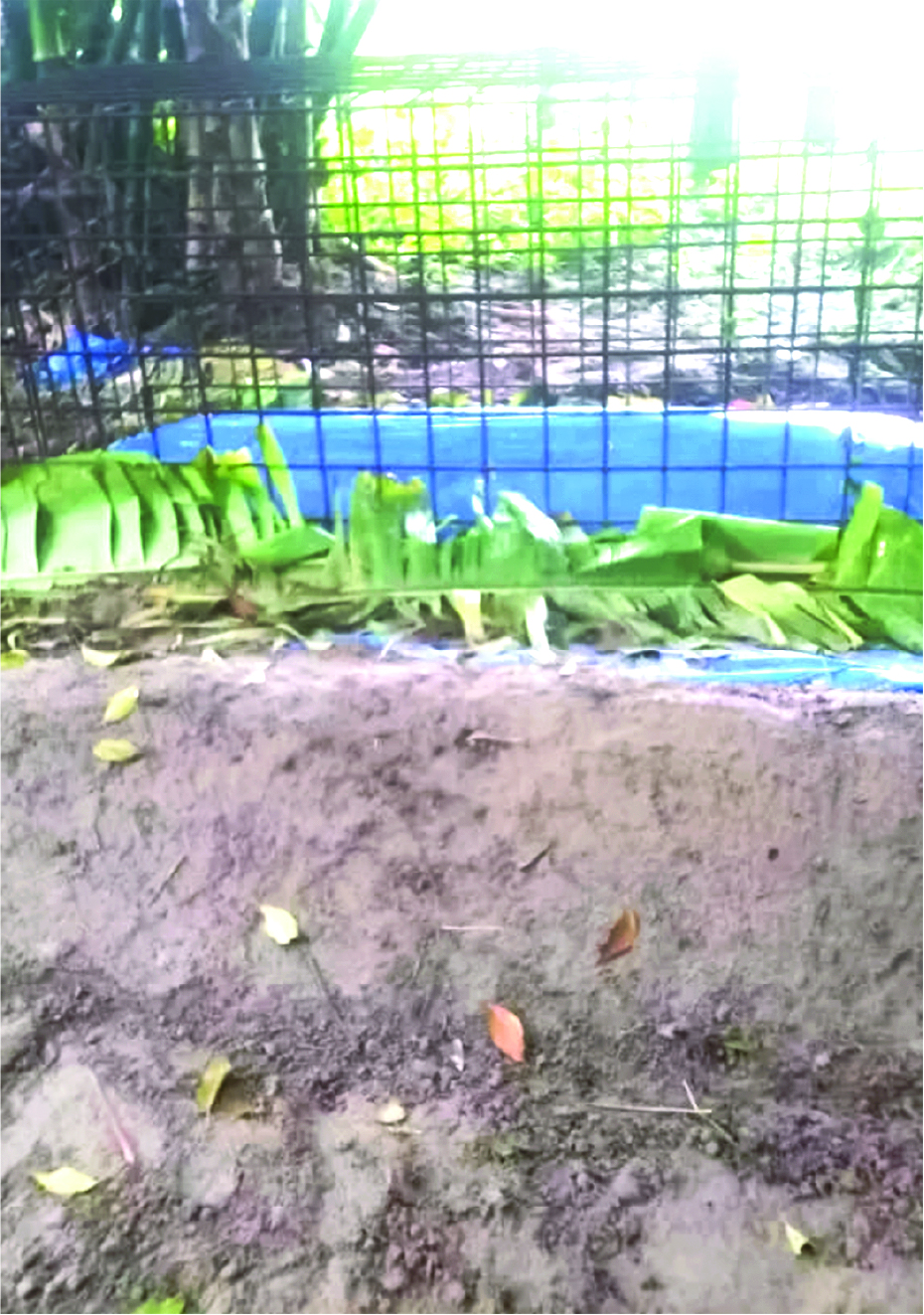
On August 5, after Shaheed Md. Jonaid's body was brought home, he was buried in the South Mirzanagar family Graveyard after the Zuhr prayers.
Neighbor's Statement about the Martyr
Explaining the current situation of Junaid's family after his untimely death, Md. Nasiruddin Bhuiyan, a prominent educationist, organizer, and founding director of Pratibha Technical Institute Narsingdi, and chief coordinator of the Short Course Unity Council, Bangladesh Technical Education Board, said, "In this anti-discrimination student movement, Junaid wrote the history of the second independence with the fresh blood of his chest. I salute this young martyred hero."
Quranic Verse
Never think of those who have been killed in the cause of Allah as dead. Rather, they are alive with their Lord, receiving provision. (Surah Al-Imran 3:169)
Hadith Sharif
Abdullah ibn Masud (RA) reported: The Messenger of Allah (SAW) said, "The souls of the martyrs are in the bodies of green birds." (Sahih Muslim 1887)
👥 Shaheeds from the Same Division
Dhaka

Memorial Photo Gallery