📱 Smart QR Code
Scan to view & share this memorial biography directly.
🌹 Prayers
Click to send your sincere respect and prayers for this hero
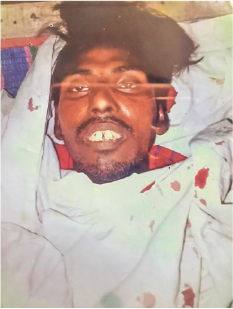
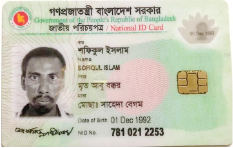
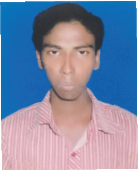
Shafiqul Islam
📅 Date of Birth
1 December, 1992
🕊️ Date of Martyrdom
5 August, 2024
🗺️ Division
Dhaka
📍 District
Dhaka
👤 Short Biography
Profession: Day laborer
Place of Martyrdom: Savar, Dhaka
Incident Details & Martyrdom Narrative
Background of Martyrdom
Sheikh Hasina is considered one of the most ruthless female rulers in the history of the world. Just as a queen bee mercilessly eliminates male bees once they serve their purpose, and suppresses the rise of rival females out of fear of losing her throne, Hasina displayed similar traits. Although the descriptions of this monstrous woman provided by freedom fighter Rentu in his book "Amar Fasi Chai" may once have seemed exaggerated, the citizens of the country have come to realize over the past fifteen years of authoritarian rule that those descriptions were not inflated—but rather, entirely accurate.
To consolidate her power, Sheikh Hasina deliberately appointed unqualified, corrupt, alcoholic, and cruel individuals—many of whom had received training in India. After coming to power in 2008, she systematically removed patriotic and honest individuals from all sectors and replaced them with corrupt and brutal affiliates of the Awami League. This resulted in widespread mismanagement, rampant looting of national resources, and large-scale capital flight.
According to a report published by Prothom Alo on December 2, 2024, between 2009 and 2023, approximately USD 234 billion (equivalent to BDT 28 trillion) was illegally transferred abroad—an average of BDT 1.8 trillion per year. This money was funneled out of the country by politicians of the Awami League, their allied businessmen, and appointed government officials to destinations including the United States, United Kingdom, Canada, Singapore, UAE, Hong Kong, Malaysia, and India.
With this illicit wealth, luxurious houses and cars were acquired abroad. In Dubai alone, Bangladeshis own 532 properties, with Malaysia ranking second in terms of property ownership. Prothom Alo further reported that Awami League leaders accepted bribes amounting to BDT 1.4 trillion, and government officials appointed by the Awami League took an additional BDT 980 billion in bribes. Moreover, BDT 1 trillion was embezzled from the stock market, and nearly BDT 2.75 trillion was looted from development projects.
After assuming office in 2008, Sheikh Hasina began releasing convicted murderers affiliated with the Awami League through presidential pardons granted by President Zillur Rahman. In the first five years alone (2008–2014), 28 such individuals were released, turning the nation into a haven for criminals. The public gradually lost the will to protest, as dissenters were often subjected to arrest, enforced disappearances, murder, or forced into compromising deals. Many were compelled to flee the country.
Once merely a metaphor, the term “Moger Mulluk†(a land of lawlessness) became a reality under Hasina’s rule. The extent of the repression made citizens believe that “Hasina’s Land†was no less terrifying than any infamous historical tyranny.
Shafiqul Islam represented the voice of the impoverished masses. A day laborer who earned just enough to feed his family each day, he had no ambitions beyond daily survival. During the month of July, every time he stepped outside, he was subjected to police questioning. He witnessed many students and citizens being arrested after having their phones checked, followed by brutal torture. General public holidays, curfews, and internet blackouts severely disrupted his ability to work.
On August 4, students began resisting the armed terrorists of the Awami League—supported by police, BGB, and RAB—with nothing more than bricks and sticks. About 130 people, including students, civilians, and some Awami League affiliates, were killed across the country. In response, Sheikh Hasina grew anxious. Student leaders revised their 9-point demand to a single-point movement.
Despite the looming threat of death on August 5, members of Jamaat-e-Islami, Islami Chhatra Shibir, and countless ordinary citizens joined the protests. Even as government forces opened fire on demonstrators, they pressed forward toward Ganabhaban (the Prime Minister’s residence). By 1 PM, reports emerged that Sheikh Hasina had fled to India with her younger sister. The news sparked jubilation—people distributed sweets, embraced one another, and chanted “Allahu Akbar†across the country. The streets echoed with joy as statues and murals of former dictator Sheikh Mujibur Rahman—symbols of fascism and costing billions—were destroyed. These effigies were spat on and struck with shoes in acts of public defiance.
Shafiqul, alongside his friends, came out to the streets to celebrate the news of Hasina’s escape. He joined the victory march, unaware that it would be the last celebration of his life. Although Hasina had fled, she had issued orders to carry out mass killings. In line with those orders, the vicious Awami League police force shot Shafiqul Islam in the head in the Savar area, killing him on the spot.
Economic Condition
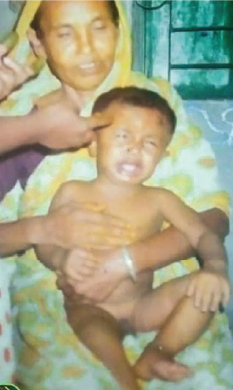
Shafiqul’s daughter Ayesha works in a garment factory. His son Rafiqul Islam drives a van, while his other son Rabiul works as a laborer. The family lives in a rented house in Savar.
At a Glance: Information Regarding the Martyr
Name: Shafiqul Islam
Date of Birth: 1 December 1992
Profession: Day Labourer
Father’s Name: Abu Bakkar
Mother’s Name: Shaheda Begum
Children:
1. Ayesha Akter – Garments Worker
2. Rafiqul Islam – Rickshaw Van Driver
3. Robiul Islam – Construction Assistant
Permanent & Present Address:
130/10, Village: Bhagalpur, South Dariapur,
Post Office: Savar, Dhaka
Place of Incident: Savar, Dhaka
Assailant: Police
Time of Injury: 5 August, approximately 4:00 PM
Nature of Injury: Gunshot wound to the chest
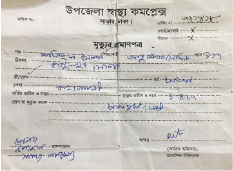
Date, Time, and Place of Death: 5 August 2024
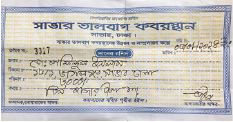
Current Burial Location: Savar Talbagh Cemetery
Recommendation:
1. Arrangements should be made for both a monthly allowance and a one-time compensation.
Quranic Verse
Never think of those who have been killed in the cause of Allah as dead. Rather, they are alive with their Lord, receiving provision. (Surah Al-Imran 3:169)
Hadith Sharif
Abu Huraira (RA) reported: The Messenger of Allah (SAW) said, "Whoever sincerely asks Allah for martyrdom, Allah will grant him the status of martyrs." (Sahih Muslim 1888)
👥 Shaheeds from the Same Division
Dhaka
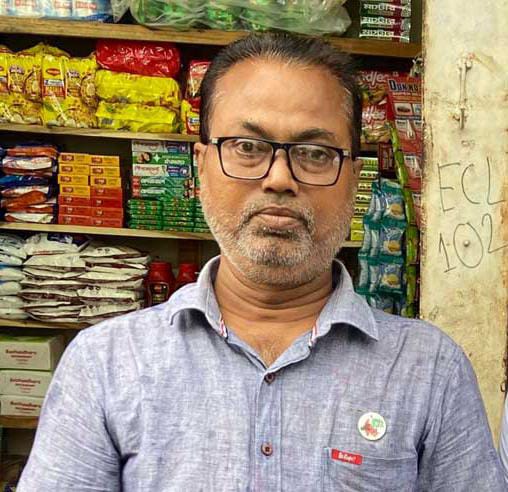




Memorial Photo Gallery