📱 Smart QR Code
Scan to view & share this memorial biography directly.
🌹 Prayers
Click to send your sincere respect and prayers for this hero
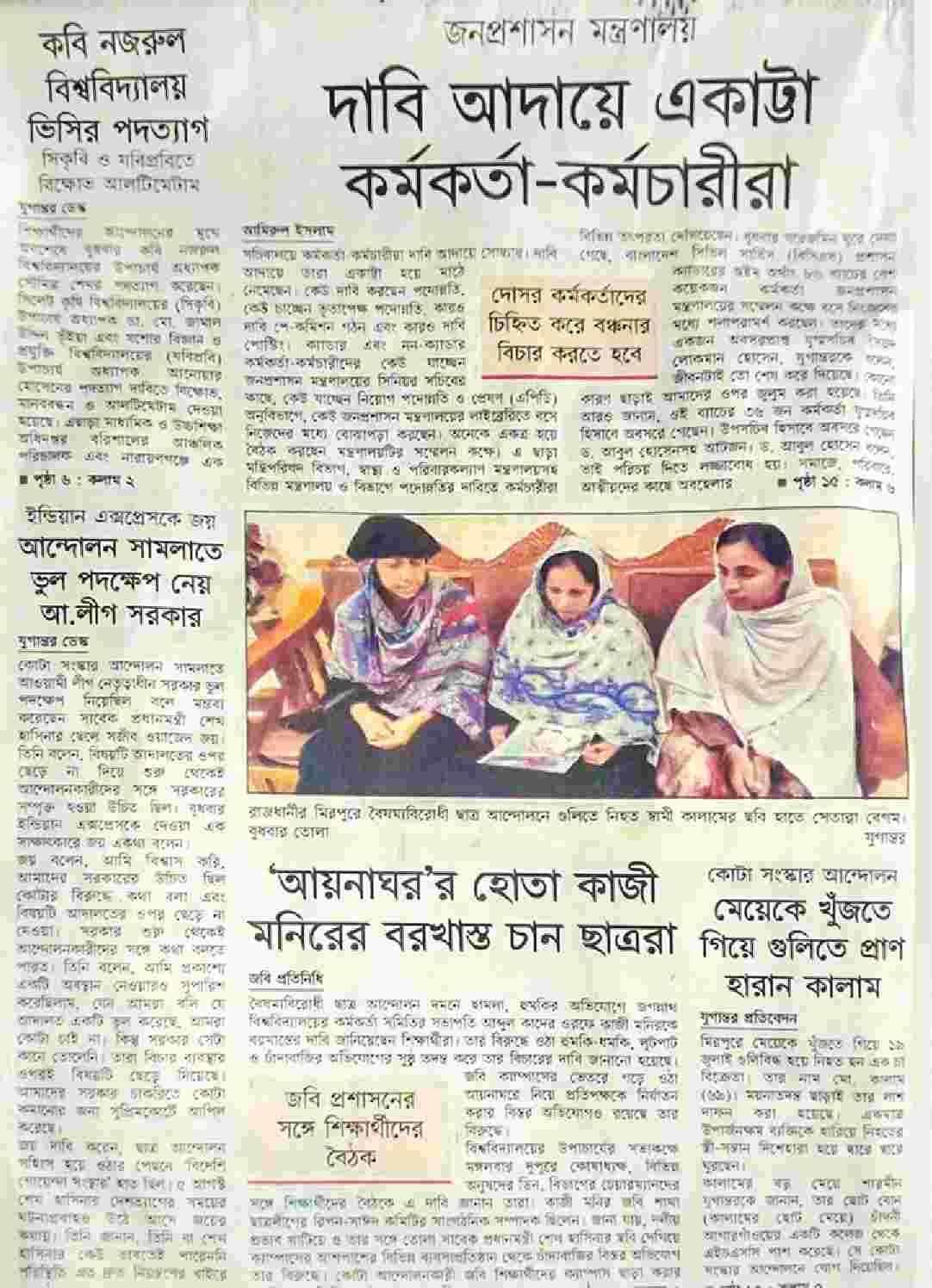
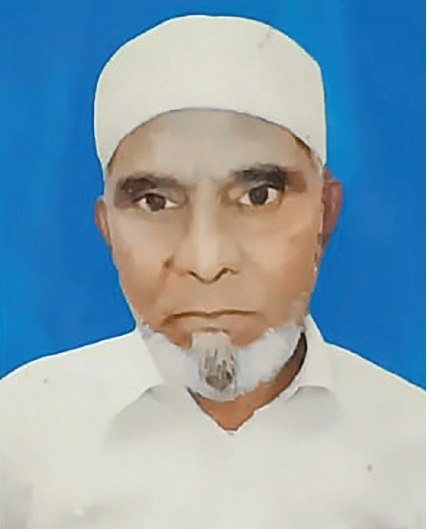
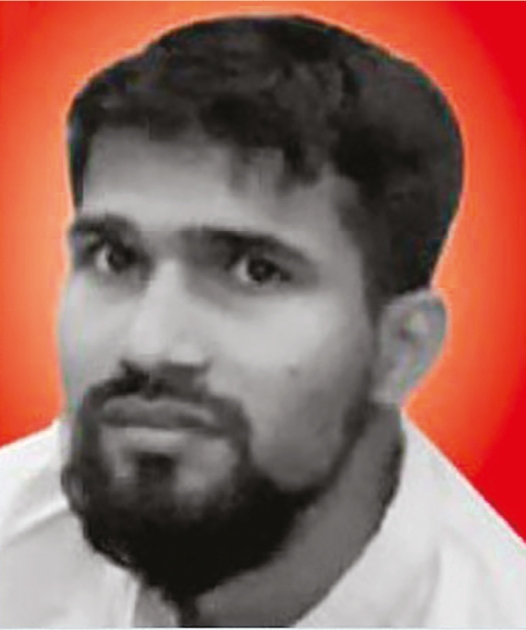
Mohammad Kalam
📅 Date of Birth
21 January, 1963
🕊️ Date of Martyrdom
19 July, 2024
🗺️ Division
Khulna
📍 District
Nilphamari
👤 Short Biography
Profession: Tea Seller
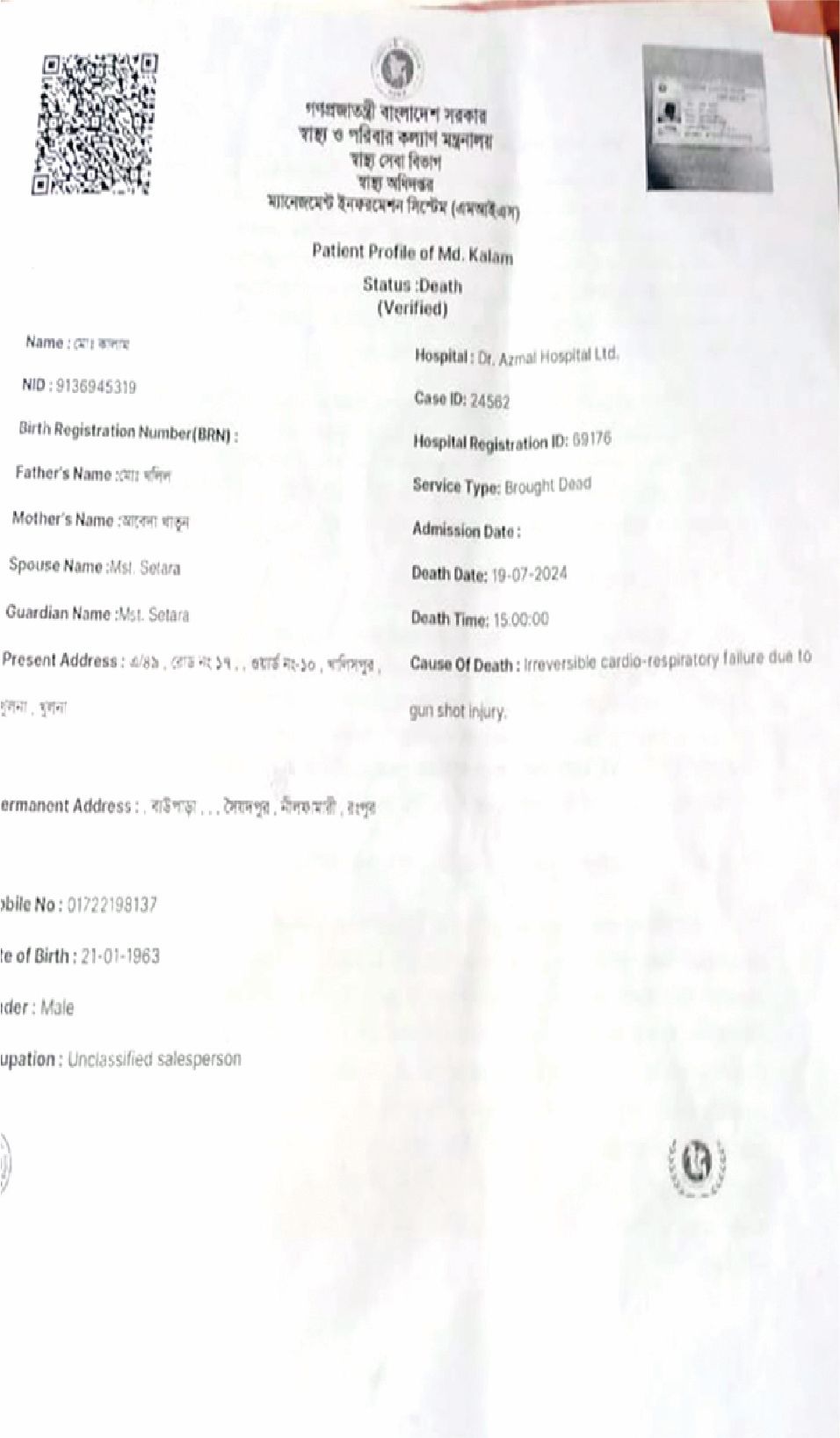
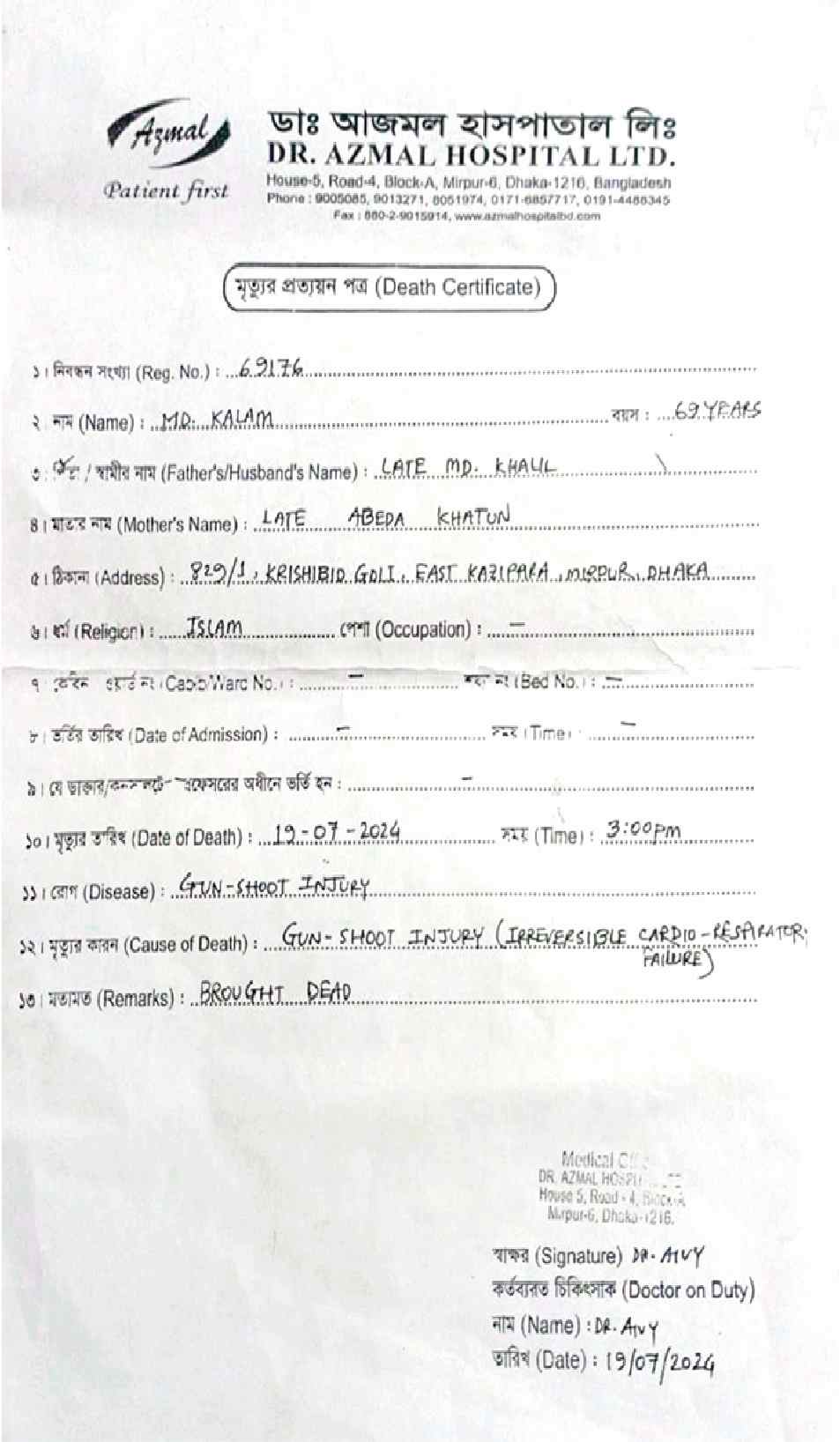
Place of Death: Azamol Hospital, Mirpur 10, Dhaka
Incident Details & Martyrdom Narrative
Rising from Khulna’s Khalishpur, he made his place in Dhaka’s Mirpur-10 area, where every morning and evening he stood on a street corner, keeping his tea cups warm and with them, the hope for the nation’s future alive.
His father is deceased; his mother, Abeda Khatun, still searches the city’s corners for traces of her son’s scent wrapped in a shawl. His wife, Mosha. Sitara (52), no longer speaks only silence remains on her lips. Their home was simple, humble, yet full of love. Four daughters: Sharmin (37), Parvin (33), Yasmin (30), and the youngest, Chandni (20). Chandni was her father’s brightest dream her eyes lit with the hope of university admission, while Kalam’s eyes held fierce pride. He would say,
“A poor girl can become a doctor, if she has the will.â€
But the state never wants dreams to be born in poor homes. They prefer dreams to be folded away in the pockets of wealthy wardrobes. Stories of higher education from a tea seller’s house are seen as rebellion. So when the waves of the quota reform movement swept the city streets, Kalam was no longer just a tea seller — he became an unwavering symbol of the movement. He stood with the students, offering not only tea but courage. Handing out hot cups, he urged:
“Take this, brother, light the fire with your blood.â€
On a scorching afternoon, August 3, 2024, with gunfire smoke drifting in the air, Kalam was still distributing tea to students in Mirpur. The sound of bullets silenced many hearts, but his hand did not tremble. He was neither a leader nor a speaker but his actions were a fiery mantra. Suddenly, a bullet tore through his chest. The tea cup fell to the dust and an immortal symbol was born.
Kalam no longer sells tea. He sold his life, his dreams, his children’s future to write his name in the first poem of a great revolution. His death brings tears to our eyes, but more than that, it awakens the blood in our veins because the fire sparked from the tea cup cannot be extinguished by any state water.
Many still do not know Mohammad Kalam’s name. But it was people like him, the silent heroes of the July bloodshed, who wrote this revolution those who could not give speeches but quietly laid down their lives on the altar of freedom. Thus, we say, Martyr Mohammad Kalam was not just a tea seller he was the first hearth in the fiery baptism of our conscience.
Context of the Movement: Chandni’s Father’s Journey and State Brutality
July 2024, Bangladesh was ablaze not only in demands but in the hearts, blood, words, and dreams of its people. This fire was not ignited by politicians, nor printed on political agendas. It arose from within a cumulative outcry of frustration and unfulfilled hopes, where dreams fluttered like torn report cards scattered across the streets.
Though centered on quota reform, the core of the movement was a profound consciousness of humanity, justice, and resistance against state oppression. The protesters carried no sticks, but their voices were scorched with fire. Though tears filled their eyes, those tears reflected defiance. Those days marked the birth of a fragmented future.
On Friday, July 19, just after Jumu’ah prayer, Mirpur-10 became a revolutionary battlefield. Tear gas, explosive cocktails, fires, and police boots filled the air with dread. The students stood fearlessly. Among them was Chandni Akter, a university aspirant and the youngest daughter of martyr Mohammad Kalam. Her father knew of her dream to become a doctor, but perhaps never imagined she would have to face the streets to chase it.
When news came that “Chandni has joined the rally,†Kalam could no longer stay home. At that moment, he was no longer just a tea seller; he was a worried father, his heart burning with fear. Politics, revolution, quota all became secondary. All he knew was that his daughter had gone to the streets, surrounded by bullets, gas, and explosive smells.
Throwing aside his tea cup, he rushed through the street corners — an ordinary parent riding the shoulders of the crowd, carrying just one question in his heart:
“Where is Chandni?â€
He bore no weapon, no flag, no political allegiance. His hands were empty but full of love. It is this love that the state fears because it knows a father who ventures into the streets to find his daughter with nothing but love cannot be defined by politics.
So they fired. In the name of state security, in the name of social order, they fired towards a father’s love. Shooting into the tea seller’s chest, they declared,
“There will be no dreams, no love, no protest allowed.â€
But they do not know that the sound of those bullets will one day tear through history’s pages. Mohammad Kalam fell, but the earth did not hold him quietly. That soil still trembles with Chandni’s cries, the students’ oaths, and the flashes of the July revolution where a father’s corpse became a new definition of freedom.
Circumstances of Martyrdom
Beneath the blood lies the name of an infinite father. On that day, the Mirpur-10 metro rail station had no passengers, no destinations — only an invisible stage of death. The city sweated from the heat, but its people burned in blood. Around 2 PM, after Jumu’ah prayer, instead of the call to prayer, the air was filled with the hissing of tear gas, the pounding of police boots, and the fearful silence of a suppressed media. In this eerie emptiness stood Mohammad Kalam — a tea seller, a father searching for his daughter, eyes full of fear and love.
Chandni marched with a national flag shawl over her shoulder, dreams shining in her eyes unaware that her father, the man who raised her from his lap, walked behind her. Kalam was not a representative of any organization, his name never printed on any banner. But he came from the deepest heartland of history — driven by a father’s anxious love.
Suddenly, gunfire erupted. Amid the slogans, the government’s roar attacked. Thousands raised voices in the rally, but the bullets knew whom to stop. Kalam looked toward his daughter but she could not see his eyes. Chandni did not yet know her father was right behind her.
The first bullet hit his left hand, the second also in the same hand, and the third pierced his chest. In the blink of an eye, a coffin was made in the body of a tea seller the man who woke people every morning now himself fell into eternal sleep. Death was instant. No ambulance, no rescue only a lifeless body lying on a dusty street, warm blood still trickling from his wounds.
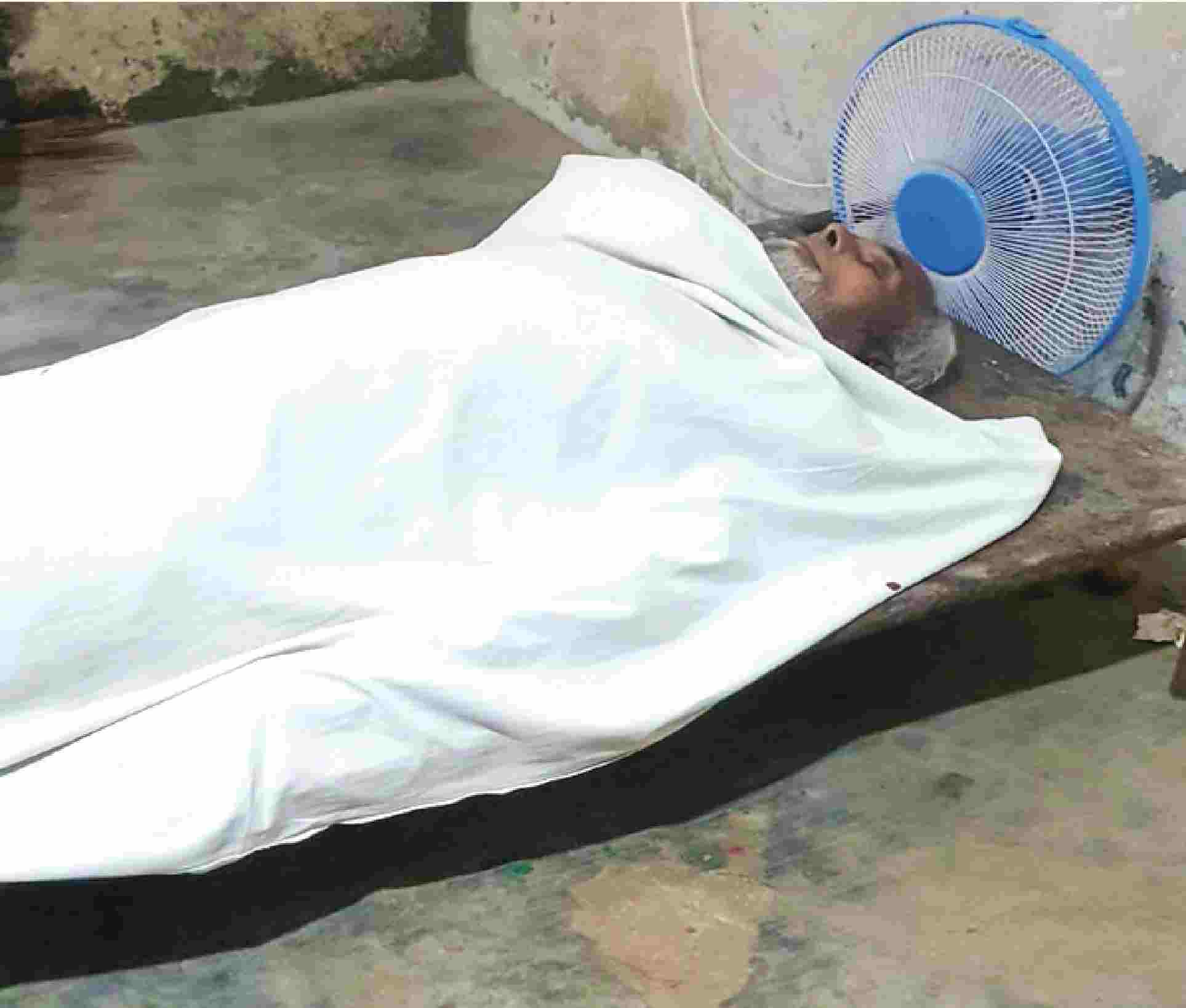
Chandni did not yet know life was torn from her father’s body. That evening, when the family began searching, they learned the body was at Azmol Hospital. But the city was under curfew; no one could come out. The hospital refused to keep the body as if the government’s hatred extended even to the dead. The state shut its eyes as if nothing had happened.
A tea seller who woke people with warm tea every day could not have his body placed in any corner of life. His death had no headlines, no banners, no candlelight vigils at press clubs. Yet his blood stains every wall of our state where mothers lose children, daughters stop opening doors at the sound of a father’s footsteps.
Legacy
Mohammad Kalam was a ‘nameless’ martyr, but history knows his name. His death is the hidden fire of anger beneath our nation’s breathless guilt. His blood still marks the bricks of Mirpur-10. Every time someone says, “My father too was once,†that blood awakens again. This death is not a ‘news flash,’ but a permanent failure of a nation.
Family’s Reality and Silent Sorrow
Mosha Sitara Begum is a name standing by the mountain of emptiness today. Once a homemaker with husband and children, she is now the family’s head, their last hope for bread though she has neither means nor strength, nor the old light in her eyes.
Mohammad Kalam’s death is not only the loss of a husband but a story of a shattered sky. Among his four daughters, three are married and busy with their own families; only Chandni remains — the youngest and most beloved — carrying the greatest dreams of her father, fighting every breath to survive.
Chandni still carefully keeps her father’s old tea kettle. Every morning she sits by it, tears in her eyes, whispering:
“Abbu (father), what would have happened if you were here today?â€
No answer comes, only sunlight trapped in the wall’s cracks and a silent solitude responds. She believes her father died for her. She thinks,
“If I had not gone, he wouldn’t have come.â€
This guilt and helplessness devours her silently every day. But the reality is clear: Kalam was no leader, no political warrior bound by strategy. He was a father ready to give his life for love.
Present Situation
This family has no income source, no assistance, no promise of the future. Only memories, hardship, and the state’s indifferent neglect remain. The light in Chandni’s eyes, once destined for university, now flickers like a fragile lamp — easily extinguished by a slight breeze.
Yet, this family wants nothing — no money, no pity, no media footage. They only want their father’s death to mean something.
Chandni gives no progressive speeches, utters no political slogans. She only wants someone to take responsibility for her education. Someone to say:
“Your father’s death was the awakening of the nation’s conscience.â€
But the state sleeps, so deeply that even a martyr’s family’s cries cannot reach its ears.
Kalam never demanded anything. He only gave tea, smiles, and love. And one day, for that love, he gave his life. Now this family only asks that his death become a guarantee for a girl’s life — that a father’s love may pierce the shameless silence of the state and burn bright as a light.
Daily Life of Chandni
Now her days pass sitting beside her father’s picture, nights spent searching for him in dreams. Sitara Begum waits every day for some news, a visitor, a ray of hope. But no one comes. Alone, pain accumulates in the house — a pain no state excuse can wipe away. This loneliness is the only remnant of this family, and their solitude is living proof of our national crime.
Mohammad Kalam was no traitor to the state. He was a father, a lover, a tea seller. His death will live on as a call to awaken a nation — as long as someone opens the door saying “Abbu†and finds no one inside.
Martyr’s Details at a Glance
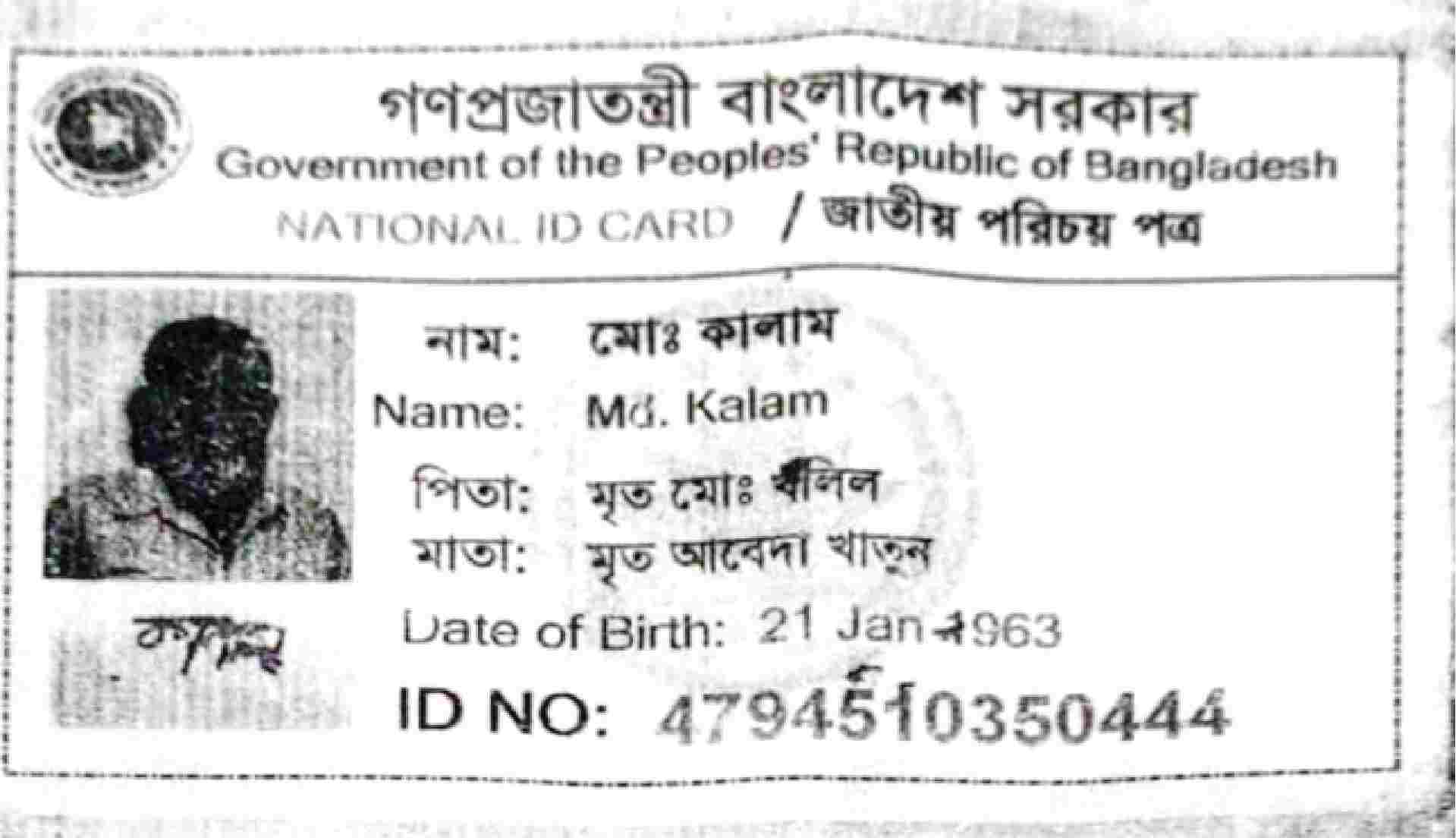
Full Name Mohammad Kalam
Profession Tea Seller
Date of Birth January 21, 1963
Father Late Khalil
Mother Late Abeda Khatun
Wife Mosha. Sitara (52, Homemaker)
Children Four daughters:
Sharmin Akter (37, Homemaker)
Parvin Khatun (33, Homemaker)
Yasmin (30, Homemaker)
Chandni Akter (20, University aspirant)
Permanent Address Baupara, Syedpur, Nilphamari, Rangpur (Limited travel)
Current Address Gram: Post Office Lane, Baithakhali, Middle Badda, Upazila: Badda, District: Dhaka (Before martyrdom) / A/49, Road-17, Ward-10, Khalishpur, Khulna City Corporation, Khulna (Current family residence)
Incident Location Mirpur-10, Dhaka
Perpetrators Police
Time of Injury/Death Spot death at incident location
Date & Time of Death July 19, 2024, 2:00 PM
Post-Death Location Azmol Hospital, Mirpur-10
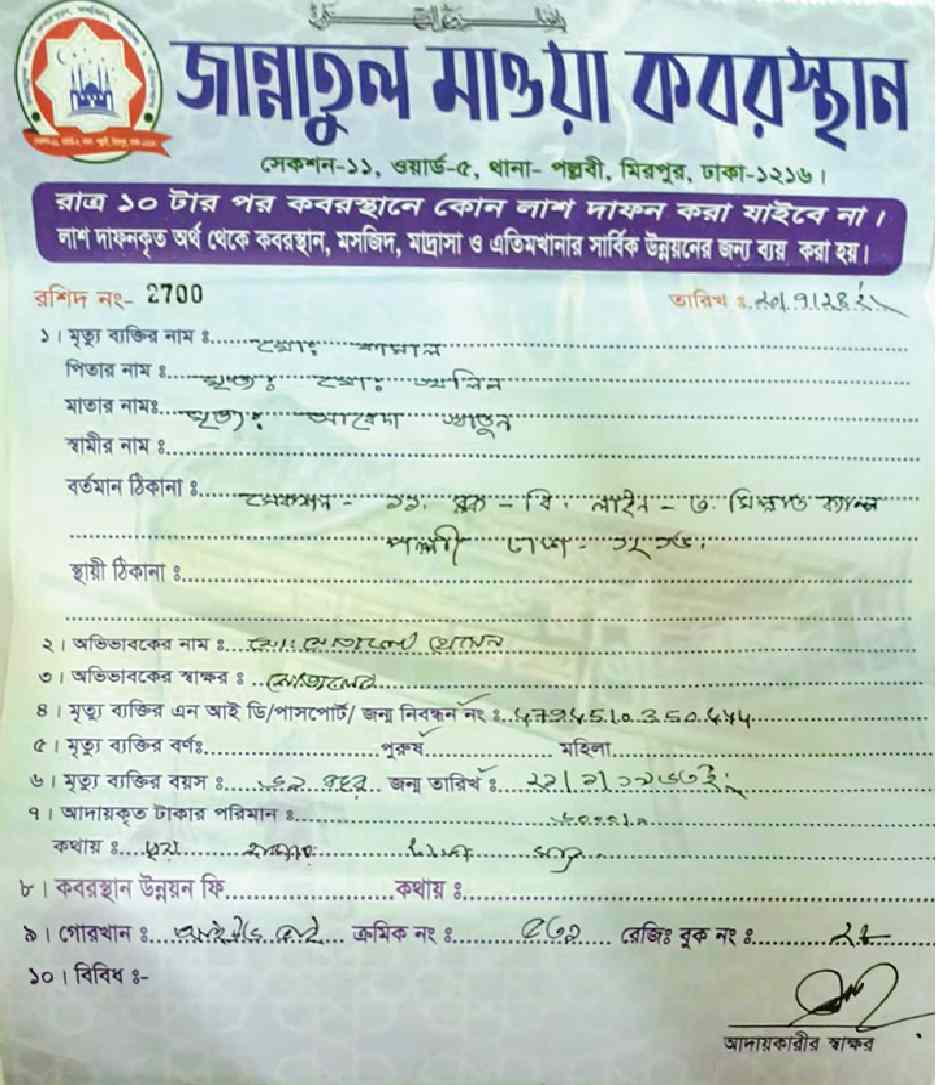
Grave Location Jannatul Mawa Cemetery, Mirpur-10
Family Support Recommendations
• First, secure Chandni Akter’s university admission and provide necessary educational support.
• Secondly, arrange for a permanent residence and monthly allowance for Sitara Begum.
Quranic Verse
Never think of those who have been killed in the cause of Allah as dead. Rather, they are alive with their Lord, receiving provision. (Surah Al-Imran 3:169)
Hadith Sharif
Abu Huraira (RA) reported: The Messenger of Allah (SAW) said, "Whoever sincerely asks Allah for martyrdom, Allah will grant him the status of martyrs." (Sahih Muslim 1888)
👥 Shaheeds from the Same Division
Khulna


Memorial Photo Gallery