📱 Smart QR Code
Scan to view & share this memorial biography directly.
🌹 Prayers
Click to send your sincere respect and prayers for this hero
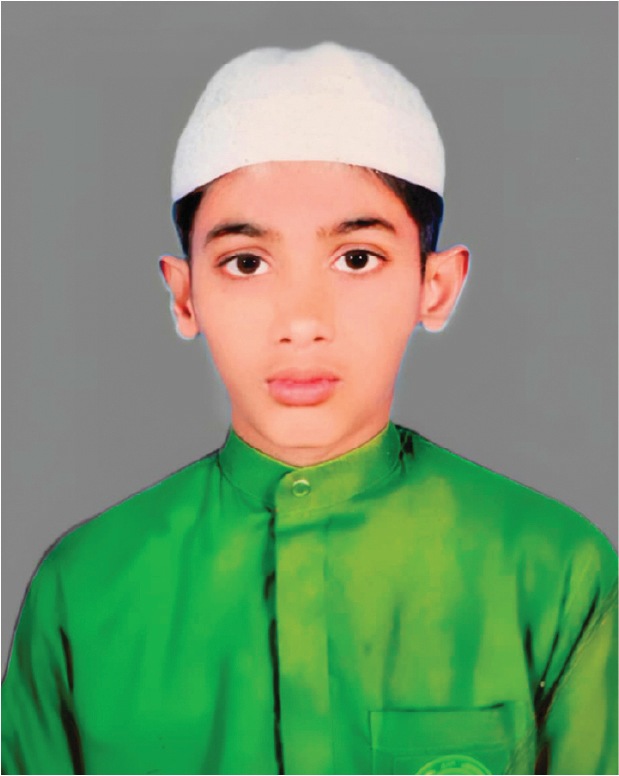
Md. Rabbi Matbar (Golam Rabbi)
📅 Date of Birth
6 November, 2010
🕊️ Date of Martyrdom
19 July, 2024
🗺️ Division
Barishal
📍 District
Dhaka
👤 Short Biography
Profession: Student
Institution: Talimul Islam Madrasa
Place of Death: Mirpur 13
Incident Details & Martyrdom Narrative
During a break from play, Rabbi paused beneath the Talimul Islam Madrasa and watched silently as a group of students passed by, their eyes aflame, chanting slogans, their steps echoing revolution. For perhaps the first time, the boy was mesmerized by the sight of people — like a child pausing to gaze at the sky for the first time.
Rabbi was born in the remote village of Bashbaria, Kalagachia, Golachipa Upazila, Patuakhali. That soil by the river did not know that one day a son from this village would become a martyr on the capital’s streets, writing a painful chapter in history. The family was humble: father Md. Juel Matbar, a contractor; mother Mosa Firoza Akter, a simple housewife; two elder brothers, Riyad and Rifaat, who run a tea stall for livelihood. The youngest sister, Jui, still a student of Sher-e-Bangla Government Girls’ School, does not yet understand how her brother’s death shattered hearts. Rabbi, however, had tied his dreams to becoming an Islamic scholar, wandering the pages of Hadith and verses of the Quran searching for the path to paradise. But that dream was abruptly stopped. Rabbi would never become a scholar. Instead of a birthmark, his forehead now bears a blood-stained cloth, buried eternally beneath the soil.
Did he know the state would fear him? Did he know that even a boy who swears by love and truth can be labeled a traitor? No, he knew none of this. His only fault was standing silently by the people—not shoulder to shoulder, nor eye to eye—but quietly, with the wonder of a child’s heart. And for that the state feared the power of innocence. So the bullets came, and another boy fell lifeless, voiceless, and arbitrarily killed on the street.
Rabbi’s death did not make headlines in any newspaper. It was never discussed in talk shows. No political banner claimed him as a martyr. Yet, his death testified that this movement was destitute but pure; apolitical but radiant in the demand for justice. Rabbi became a mirror to our conscience in which we see our own faces and face our questions. Today, his family holds no dreams, only memories and unbearable emptiness. But that void whispers to us: this death is not in vain, this martyr lives on inside every person and in every fight for resistance. Md. Golam Rabbi is a name — a silent thunderclap.
Context of the Movement
On the night of July 19, 2024, Friday, the sky over the capital was not merely filled with thick smoke but trembled with the roar of a waking nation and an indescribable gloom. A small student march demanding quota reform swiftly turned into an all-out rebellion whose language was not merely posters or political proclamations but truth spoken eye to eye, carried in deep breaths held close to the chest. Mirpur, Mohammadpur, Shahbagh — every crossroads was ringing the birth hour of a new chapter in history.
At that moment, below the Talimul Islam Madrasa, a boy was playing far from the protesting map of the world. His name was Md. Golam Rabbi, aged between 14 and 16, innocent, with shadowed dreams, the scent of school, madrasa, fields, and sweat on his feet. He did not understand politics nor how to pronounce “fascism.†Yet fate made him an unwitting silent reflection of these words.
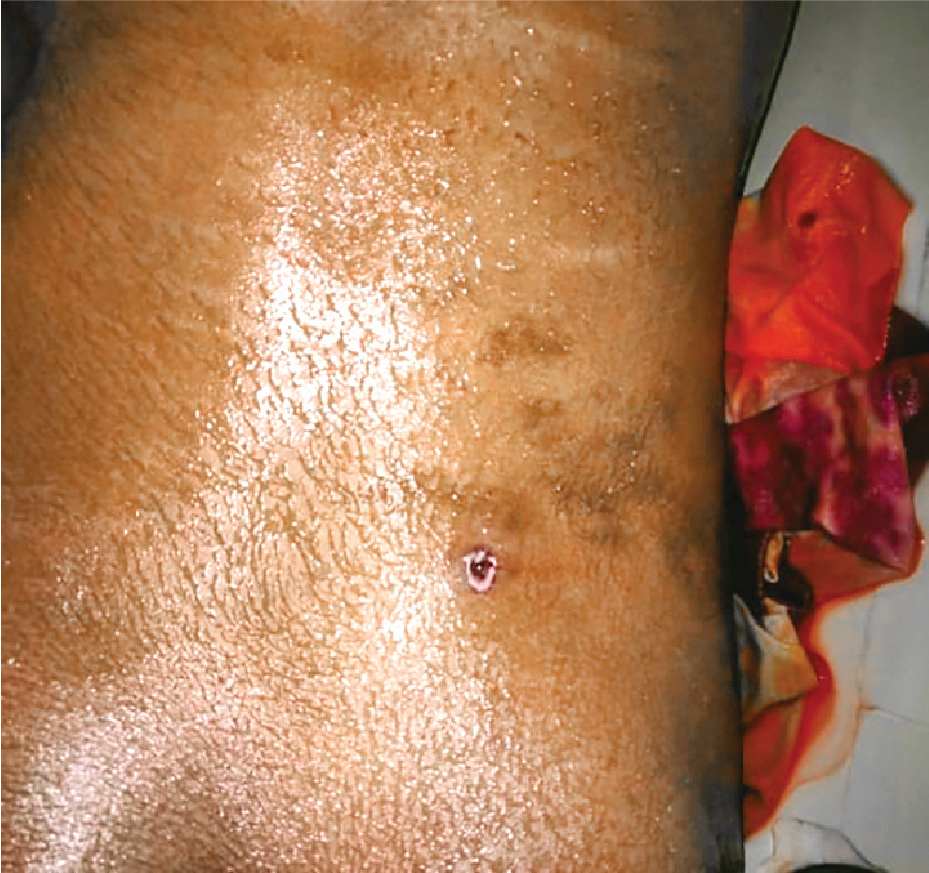
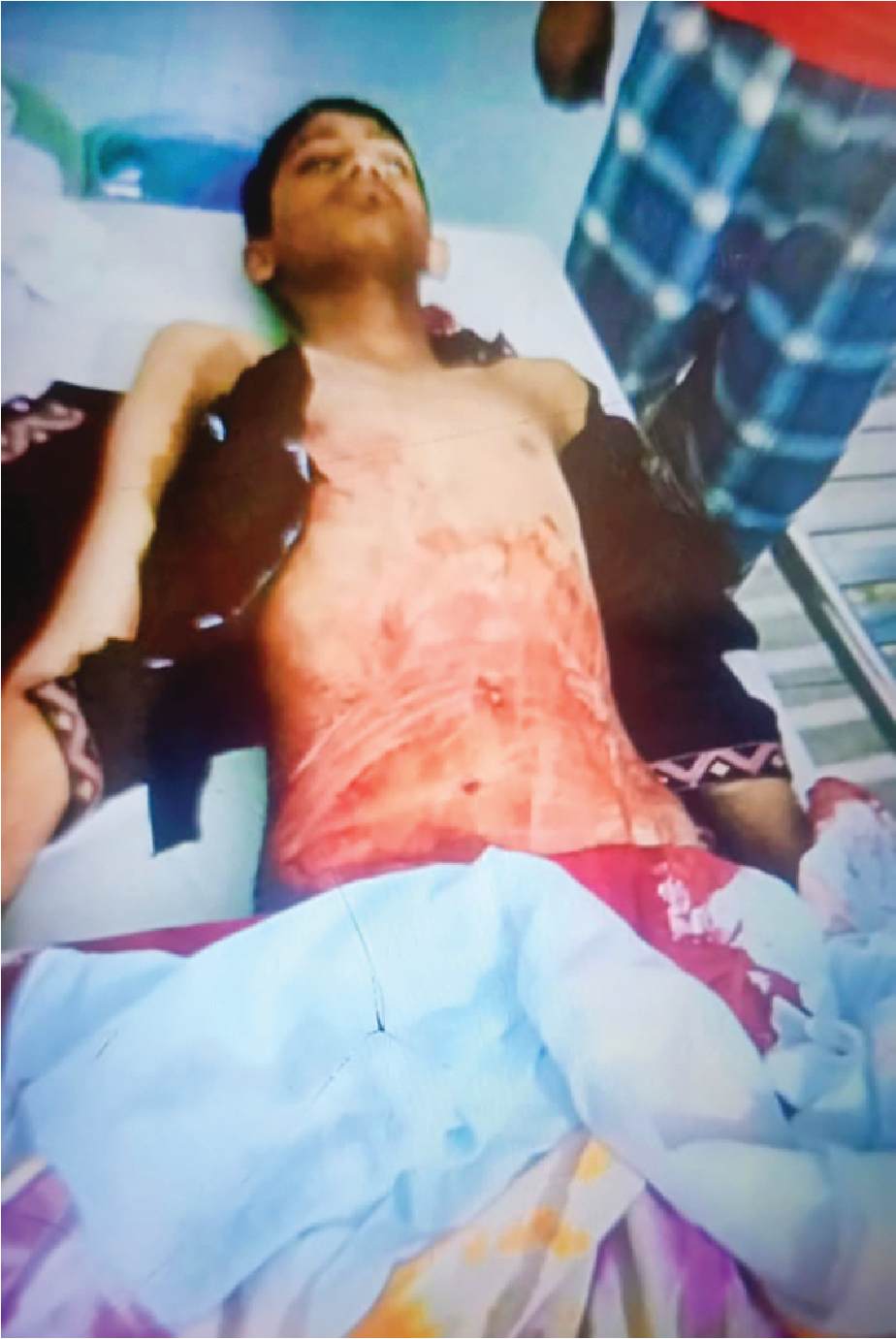
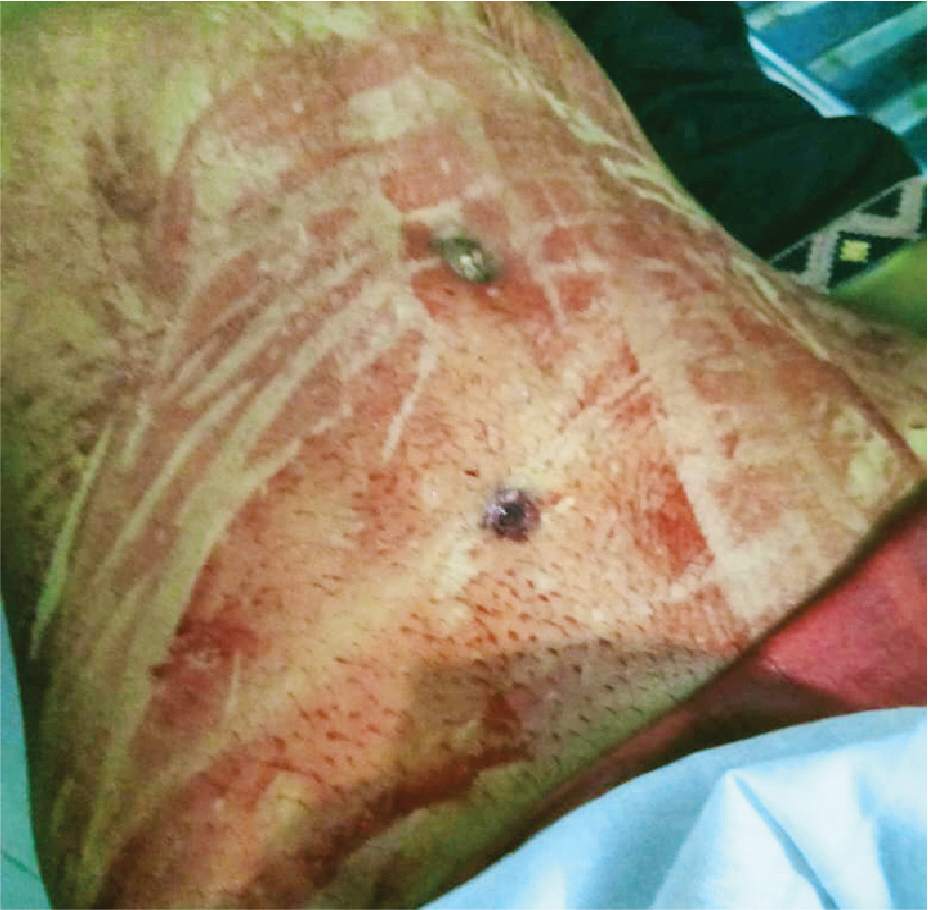
Amidst the raging movement, suddenly armored forces advanced. Amid slogans and smoke, the sound of bullets piercing the air targeted human lives as mere targets. Rabbi stood in front of the Model Decree. Perhaps out of curiosity or simply standing still to understand why the world was so troubled. Then a bullet struck him, piercing his kidney, passing through his spine, and exiting the other side. This was the price of freedom.
Rabbi collapsed immediately. No one ran to help or cried because there was no right to cry there. Around only smoke and the roaring breath of the state machinery like wild dogs. Thirty minutes later, the family was informed. The elder brother rushed to the spot and fainted upon seeing the blood-soaked body. The doctors had yet to say anything, but his mother’s heart already knew her son would not return home.
The most humiliating part came next. The police claimed the boy had thrown a grenade! Two brothers running a tea stall, a boy with dreams of becoming an Islamic scholar — accused with such fabricated stories? The state weaves these false tales so that even after death, his soul will not find peace.
This death was not just of one boy but the brutal severing of thousands of dreams. Rabbi’s death teaches us that in this country even standing silently is a crime, and looking with loving eyes is treason. He may be dead, but his blood now marches within our consciousness. It leaves us questions and responsibilities: will we pay that debt, or will we just count coffin after coffin for future Rabbis?
Circumstances of Martyrdom and Subsequent Cruelties
Rabbi was martyred on an uncalled-for evening, in an unfamiliar bullet, in an unintended battle. But the battle that stopped his body was only the beginning for his family. His blood had not yet dried, and crowds still surged through Dhaka. Yet his family, confined to a corner of a small room, found themselves facing a new battlefield for survival and dignity with their loved one’s body in hand.
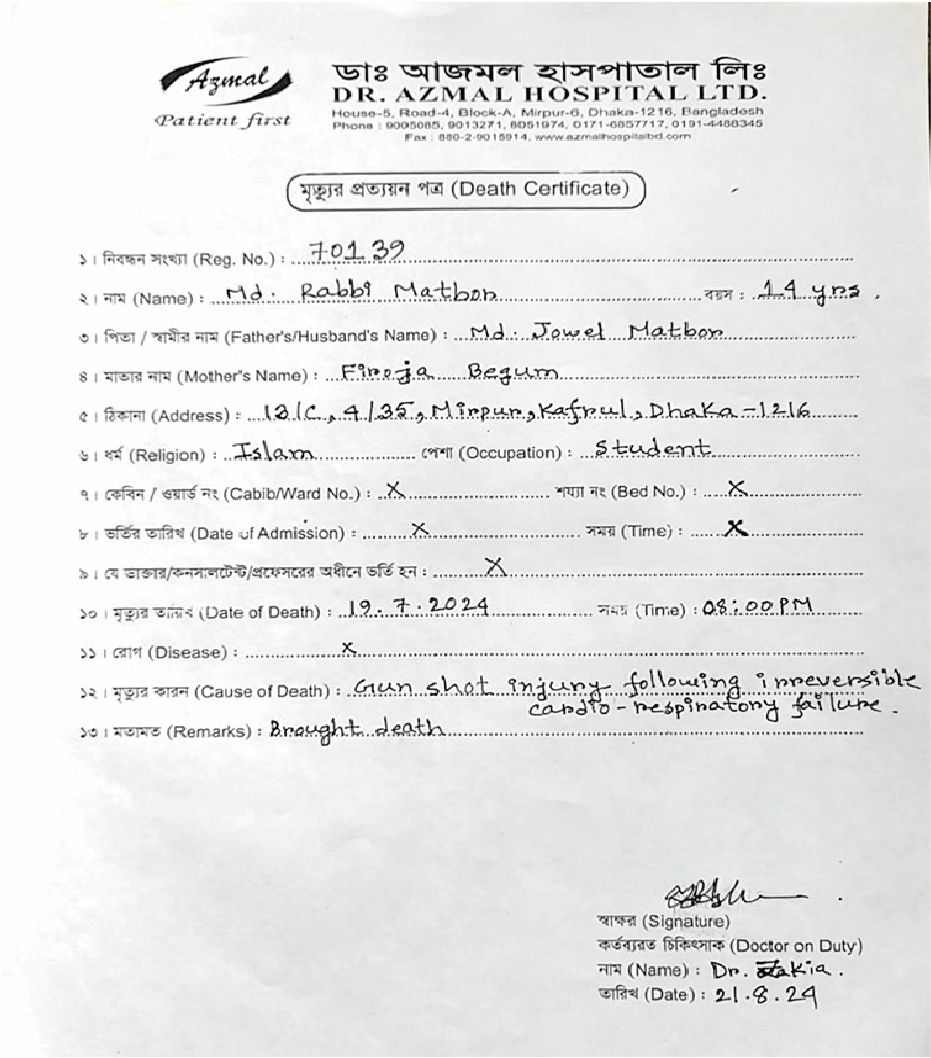
Rabbi’s lifeless body was first taken to Azam Medical. Doctors checked and declared him dead. Time seemed to stop. His mother collapsed, brothers fell silent, and the room echoed a single word: “End.†But death was not the final chapter; what followed was a long, ongoing tale of state cruelty.
While the family prepared for funeral rites, the brother of a local councilor — their landlord — appeared and coldly said, “Hurry up and bury him, or you won’t get the body.†The grieving family could hardly believe that even the dead could be held hostage. Fear overwhelmed their eyes, and their hands clutched only the corpse.
Then the police took over. Rabbi’s father was taken to the police station, kept for two hours, and forced to sign a white paper stating: “The police are not responsible for my son’s death.†The bullet that lay beside Rabbi’s body — a silent witness to his death — was confiscated, erasing even the proof of the truth. As if history is only written by those who wield guns.
The character assassination began. Awami League leaders and disguised police agents came and said, “Your son was a Chhatra League member. He threw a bomb at the police.†As if these falsehoods would absolve the killers. But Rabbi never marched in rallies nor walked under any party banner. His only politics was silent love and affection for truth. But truth hurts the state.
Consequently, those accused faced threats—phone calls through the night, public intimidation: “Stay quiet, or face consequences.†Even the tea stall owners warned, “It will be trouble if you stay here.†The landlord pressured them to vacate the house. One by one, every refuge was stripped from the family.
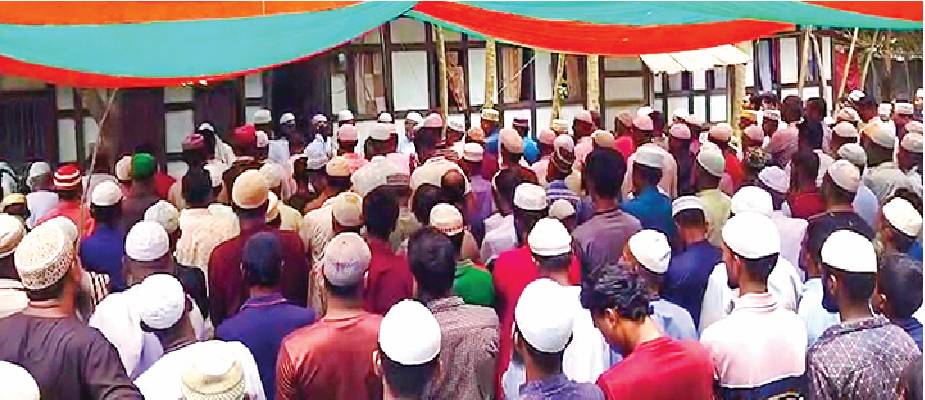
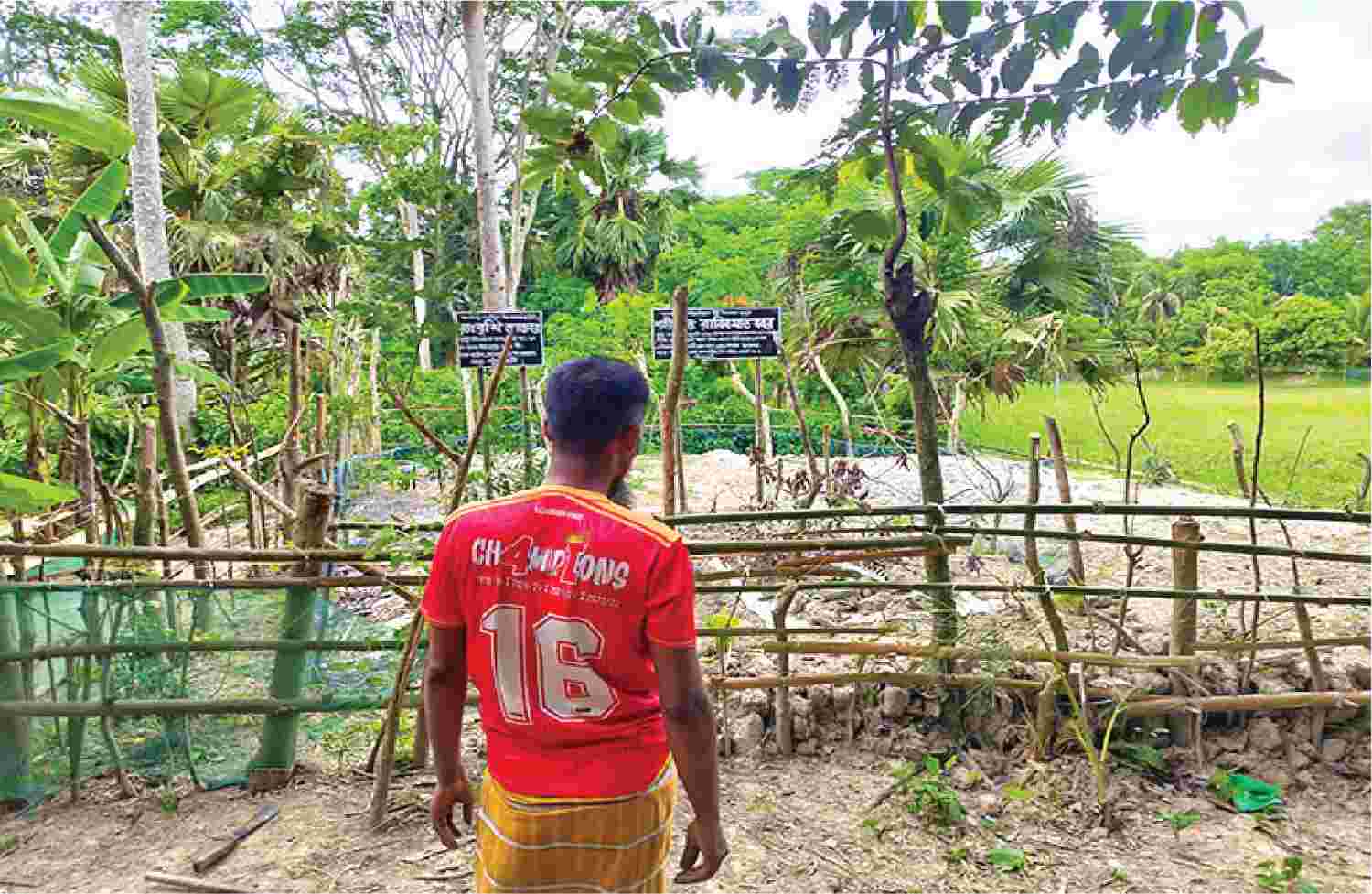
A martyr’s family is not only killed once. They are broken and destroyed every moment afterward. Rabbi’s death was not just the ending of a body, but the shattering of a poor family’s hopes, dreams, and shelter. The state’s bullets killed him; the fear of the state’s bullets forced a secret burial. This is no free country—it’s a modern gas chamber where people must suffocate in silence, and martyr families are branded “troublemakers.â€
Family’s Struggle for Survival Amidst Starvation and Humiliation
Today, in a dilapidated house in Mirpur 13, a family lives trapped in terror and heavy silence. No light enters, and no one calls from outside. Rabbi’s mother, Firoza Akter, who once nurtured her son in her arms, now sits broken, crippled by grief. Her back is bent, eyes blurred, and voice choked with pain. She often says, “I wanted to make him a scholar. Now I only pray to his grave, ‘Forgive me, my son.’†Rabbi’s father, Md. Juel Matbar, a once hardworking contractor, now trembles and walks aimlessly. He doesn’t speak or meet anyone’s gaze; sometimes he clutches Rabbi’s shirt and falls asleep, as if only sorrow remains in the house.
His brothers Riyad and Rifaat, whose livelihoods depended on a tea stall, now live in fear of threats. The little tea stall—the family’s only source of bread—still stands but its days are numbered. Local political cadres and masked men under police protection come daily to intimidate: “Why are you still here? Where do you get the courage?â€
A corpse is buried, but its stench surrounds the living. That stench is now fear, terror, hunger, and humiliation pressing down.
Rabbi’s brother struggles to say with a choked voice: “I can’t study anymore like my elder brother. I only wanted Rabbi to be a scholar. I fed him, clothed him, worked hard so he could study. Now he’s gone—and so are the dreams.â€
The family no longer asks for life. They seek only a safe place to rest their heads, a secure shop, and state recognition so they can say their son’s death was not in vain. This family wants no party or slogans—only justice, peace, food, and sleep.
If the state for which Rabbi shed his blood does not stand by them, the word “martyr†will become a cold, lifeless scrap of paper—a false honor that gives but never takes responsibility, that speaks but never wipes tears.
Rabbi’s death is not only theirs, but ours. His blood stains the indifferent conscience of our society. His unfulfilled dreams weigh on our shoulders. He is not dead—he is now the question the state must answer, and if we fail, the shame is ours alone.
Family’s Statement
The family has faced multiple threats, forced signing of documents, and pressure to vacate their home and shop. They are in extremely fragile economic condition. Md. Golam Rabbi did not just die from bullets; he was martyred at the mouth of a nation’s false conscience. If anyone stands silent beside his body, future generations will never know by whose blood their path was paved.
Quick Reference Martyr Details
Detail Information
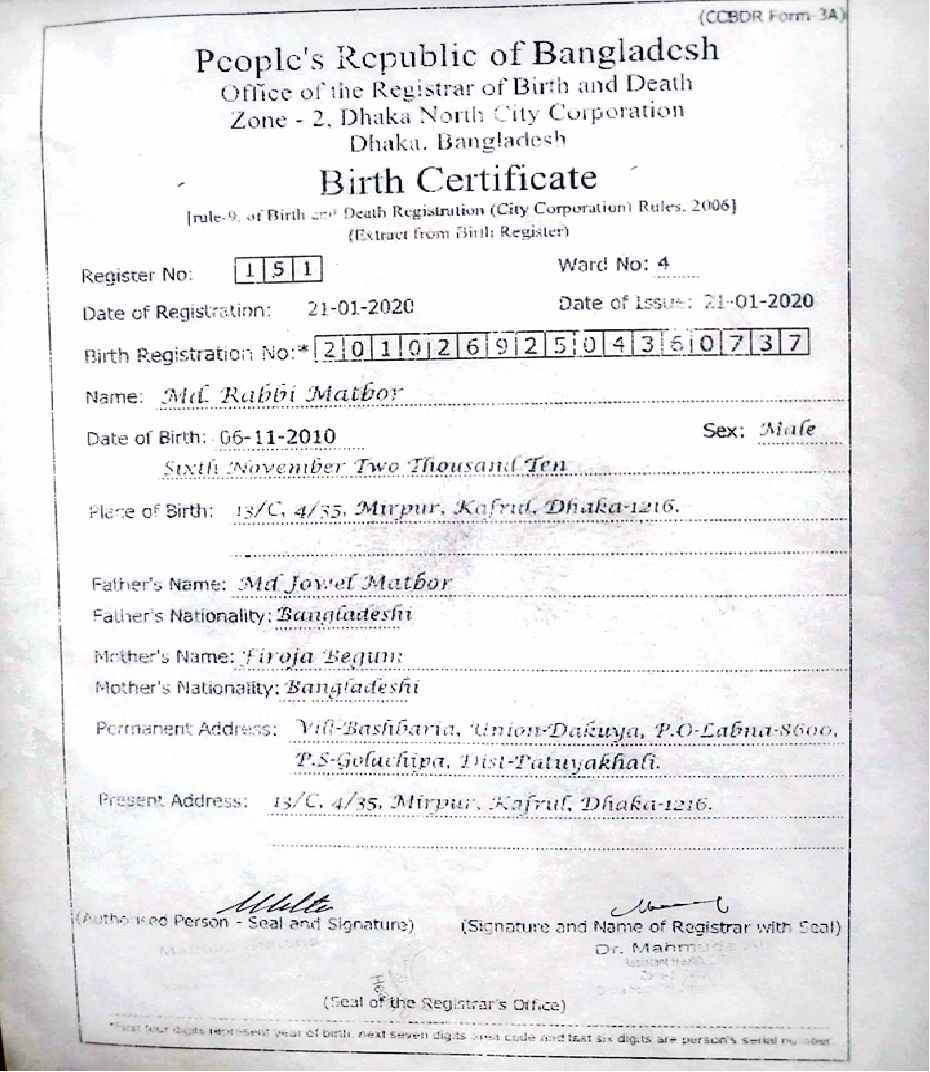
Name Md. Rabbi Matbar
Date of Birth 06/11/2010
Place of Birth Golachipa, Patuakhali
Father Md. Juel Matbar
Mother Mosa Firoza Akter
Siblings Riyad Matbar (25), Rifaat Matbar (16), Jui Akter Mim (13)
Current Address House 35, Road 4, Block C, Kafrul, Mirpur 13, Dhaka
Date & Time of Martyrdom July 19, 2024, 8:00 PM
Place of Martyrdom Talimul Islam Madrasa, in front of Model Decree, Mirpur 13
Quranic Verse
Indeed, Allah has purchased from the believers their lives and their properties for [that] they will have Paradise. They fight in the cause of Allah. (Surah At-Tawbah 9:111)
Hadith Sharif
Abu Huraira (RA) reported: The Messenger of Allah (SAW) said, "Whoever sincerely asks Allah for martyrdom, Allah will grant him the status of martyrs." (Sahih Muslim 1888)
👥 Shaheeds from the Same Division
Barishal
.jpeg)

Memorial Photo Gallery