📱 Smart QR Code
Scan to view & share this memorial biography directly.
🌹 Prayers
Click to send your sincere respect and prayers for this hero
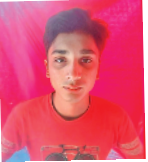
Ashiqur Rahman Hridoy
📅 Date of Birth
8 February, 2010
🕊️ Date of Martyrdom
4 April, 2025
🗺️ Division
Barishal
📍 District
Patuakhali
👤 Short Biography
Profession: Laborer
Place of Martyrdom: Jatrabari, Dhaka
Incident Details & Martyrdom Narrative
Martyr Ashiqur Rahman Hridoy
Serial No.: 801
ID: Barisal Division: 088
Birth and Childhood
On the morning of February 8, 2010, amid a gentle mist in Dhaka, the quiet southern village of Jouta seemed like a silent land of dreams. On that day, a child was born in a humble hut whose arrival brought an extraordinary light of joy to a poor family. His father, Ansar Howlader, was a rickshaw puller, his family surviving on the sweat of tiring afternoons. His mother, Morsheda Begum, held her newborn son on the earthen floor and prayed for his well-being—that he might live with dignity and hold his head high. The child was named Ashiqur Rahman Hridoy, a name meaning “beloved heart,†embodying a gentle promise and a symbol of hope.
Life of Struggle
Yet, fate had a different script for Hridoy’s life—one marked by struggle, sacrifice, and ultimately, a heroic martyrdom. Poverty was their constant companion. Raindrops would leak through the tin roof of their fragile home, the kitchen filled with smoke mingled with the scent of scarcity. Despite this, young Hridoy was lively, spirited, and full of affection. He loved going to school. Sitting with books in his hands at the primary school in Patuakhali, his eyes sparkled with wonder. But the golden mornings of his childhood did not last long. The weight of family burdens and poverty soon forced him to descend into the harsh realities of life. One day, he put aside his school notebook and took up bricks, buckets, and shovels. Though he managed to study until seventh grade, his schooling finally ended at the doorsteps of that fragile home. His new identity became that of a laborer.
Barely a teenager, Hridoy was seen at busy construction sites of the city, his clothes soaked in sweat from carrying piles of wood and bricks. People no longer saw him as a child but as a symbol of hard labor. Yet deep inside, the little schoolboy lived on—a boy who knew how to protest, to stand against injustice, and to dream of living with dignity.
In the Midst of the Movement
July 2024 saw the skies of Bengal restless. Dhaka witnessed a rare awakening of students and the public. Youth across the country took to the streets demanding rightful rights, security of life, and an end to state discrimination. This movement was more than a political slogan; it was the cry of the oppressed, the call to emerge from darkness into light. Ashiqur Rahman Hridoy, then only fourteen, was working as a daily laborer in Dhaka. But his young heart burned with anger and rebellion.
In a country where children like him carry bricks instead of books, where parents worry about two meals and cannot even afford medical care, he refused to bow his head and survive silently. On July 18, 2024, a massive anti-discrimination student rally was held in Jatrabari. The city’s hot air still carried a cool hope as thousands of students, youth, and laborers raised their voices together: “We are human, we demand the right to live.†That day, Hridoy left work and joined the rally. He carried no banner, only his courage. His eyes blazed with fierce determination—revolution had awakened even in his young frame.
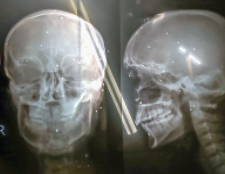
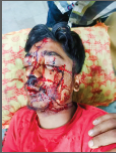
The procession moved forward slowly, the fire of dreams pounding in his chest. Suddenly, gunshots pierced the peaceful march. Police and student league cadres charged forward, armed with guns and sticks. The streets’ concrete echoed with the sharp whistle of bullets. Several pellets struck Hridoy’s fragile body. Panic spread as people scattered. Bloodied, Hridoy collapsed onto the road. Before his eyes were a white sky and a gray future. Someone shouted, “A boy has fallen! Catch him!†Fellow protesters rushed to lift him, pressing a blood-soaked towel over his wounds, and hurried him to Dhaka Medical College Hospital.
The Martyrdom
At that time, Ashiqur Rahman Hridoy was more than an injured boy—he had become a symbol, an unwavering resistance against injustice. Doctors found numerous pellet wounds in his body and declared his condition critical. Without money or government assistance, his battle for survival began. His father, Ansar Howlader, sold his rickshaw. His mother sold their last possession—a cow—to save her son. But it was an unequal fight.
Days passed, weeks turned to months. Hridoy lay quietly on the white hospital bed, staring at the ceiling, whispering, “Will I survive, mother?†After eight long months of struggle, on April 4, 2025, Ashiqur Rahman Hridoy breathed his last. His mother was by his side. Resting his head in Morsheda’s lap, he closed his eyes forever. The young fighter of the streets was transformed into a martyr. His lifeless body was returned to the village. The silent village of Jouta in southern Bengal bowed in tears. The village that gave him birth now dug the grave for the young boy’s body. He was laid to rest in the family cemetery—silent yet proud emptiness.
But after his departure, a question remains: Who will bear the responsibility for this child’s life? The state? An indifferent society? Or all of us?
Feelings of Close Relatives
The death of a martyr is not merely a statistic; it is an explosion of emptiness in a family. The death of Ashiqur Rahman Hridoy struck his parents with that very blow. They are poor people, but their love for their son was boundless. His mother, Morsheda Begum, still sits sometimes at the corner of the bed, crying out her son’s name. “Hridoy, you said you would work, grow up, and put a tin roof on the house—where have you gone, dear boy?†These words drift in the air daily but receive no answer. His father, Ansar Howlader, feels the weight of his son’s dead body more than his own frail frame. While pulling his rickshaw, he often stops midway, living like a shadow. He says, “I gave everything for my son—I sold the rickshaw, I sold the cow. But no minister, MP, or leader ever asked after us. Even those who fired the shots never apologized once.†Other family members are also devastated, but the oldest couple—who had to bury their child in old age—are the most destitute. Neighbors say, “The boy was peaceful, polite, hardworking. Did he deserve to be shot just because he joined the movement?â€
Economic Situation
Martyr Ashiqur Rahman Hridoy’s family is today not only grieving but also plunged into severe financial crisis. Living in a small mud house, the only breadwinner was Hridoy himself. His father, aged and worn out, is a rickshaw puller who may not make it through the night. His mother earns nothing. After Hridoy’s martyrdom, the family became destitute. The cost of treatment forced them to sell their last possessions—the rickshaw and a cow. No NGO, government representative, or social welfare organization stood by them during those days. The family fought this battle alone.
Currently, their living conditions are harsh. Food insecurity is at its peak. Though they have a tin roof, there is no source of income. New income opportunities are urgently needed—such as support to start a small grocery store or help with farming. This family demands not only sympathy but real assistance. When the state forces a child to become a martyr, the moral responsibility to care for that child’s family also lies with the state.
Final Words
Ashiqur Rahman Hridoy is a name, a boy, a life—but his story is more than just a martyr’s biography. It is a harsh truth of our time, an invisible bloodline drawn across society’s heart and the veins of the state. Hridoy was the boy born with dreams, who wished to live with dignity and sweat, but who was silenced by a gun’s muzzle, struck down by pellet bullets. His death was not just a personal loss; it was a shocking failure of the state system.
When a child puts down the pen and picks up bricks, and that story is stained with blood, it becomes a mark of shame on society. Hridoy’s life points an accusing finger at the world we live in—a world where children have dreams that are cut short by bullets; where parents sell their last possessions but cannot save their children; where mourning speeches are held in the name of martyrs, but families remain neglected. His blood wrote one of the darkest chapters in the history of the anti-fascist student and public movement.
That blood did not just stain the earth; it cleansed time and shook consciences. We pray for Hridoy’s soul and wish him peace. But alongside that prayer lies our duty—to bring smiles back to his family’s faces and give them a chance to live again. Hridoy has left us, but his departure must not be in vain. Let his sacrifice awaken us; let his death become the dawn of a new day.
Martyr’s Profile at a Glance
• Full Name: Ashiqur Rahman Hridoy
• Date of Birth: 08 February 2010
• Place of Birth: Village: Jouta, Post Office: Nogorer Hat, Ward No.: 08, Upazila: Baufal, District: Patuakhali
• Occupation: Laborer
• Permanent & Current Address: Village: Jouta, Union: Baufal, Thana: Baufal, District: Patuakhali
• Father’s Name: Ansar Howlader
• Mother’s Name: Morsheda Begum
• Educational Qualification: 7th grade
• Family Members: 2 (Father and mother; brothers live separately)
• Place of Incident: Jatrabari, Dhaka
• Attackers: Police, Student League cadres
• Type of Attack: Pellet bullets
• Date Injured: 18 July 2024
• Date of Martyrdom: 04 April 2025
• Current Burial Site: Family cemetery
Proposals
1. Support to start a small grocery or convenience store
2. Monthly or one-time financial assistance
Quranic Verse
Never think of those who have been killed in the cause of Allah as dead. Rather, they are alive with their Lord, receiving provision. (Surah Al-Imran 3:169)
Hadith Sharif
Abdullah ibn Masud (RA) reported: The Messenger of Allah (SAW) said, "The souls of the martyrs are in the bodies of green birds." (Sahih Muslim 1887)
👥 Shaheeds from the Same Division
Barishal
.jpeg)

Memorial Photo Gallery