📱 Smart QR Code
Scan to view & share this memorial biography directly.
🌹 Prayers
Click to send your sincere respect and prayers for this hero
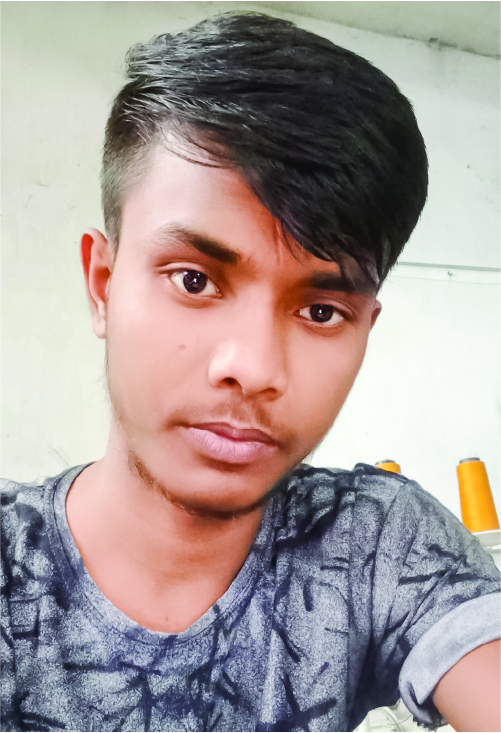
Md. Rashedul Haque
📅 Date of Birth
18 February, 2004
🕊️ Date of Martyrdom
5 August, 2024
🗺️ Division
Rangpur
📍 District
Kurigram
👤 Short Biography
Profession: Junior Operator at a Garments Factory
Place of Martyrdom: Shanir Akhra Bridge, Jatrabari
Incident Details & Martyrdom Narrative
Martyr Rashedul Haque
Martyr Rashedul Haque was born in the village of Baniachong in the Sylhet Division of Bangladesh. His father, Mr. Md. Bacchu Mia, is a day laborer who struggles to make a living. His mother, Aleya Begum, is a housewife. Due to his father's advanced age, he is unable to earn much as a day laborer.
Family Background
Shaheed Rashedul Haque has no sisters, but he has four brothers. The five brothers, along with their parents, make up a family of seven. He is the fourth among his siblings. His three elder brothers earn money by driving rickshaws, and the youngest brother works in a tailor shop. The five brothers live in rented houses in Dhaka city. As they have no ancestral property, they live a very difficult life with the limited income earned by their day laborer father.
Early Life and Work
Shaheed Rashedul Haque initially worked in agriculture in his village. He also worked as a tailor for some time. He performed his duties in both agriculture and tailoring with honesty and sincerity. He never treated anyone unfairly or impolitely. However, the income from these jobs was not enough to support his family well. Therefore, he left his village and came to Dhaka city in search of better opportunities. In Dhaka's Jatrabari area, he shared a room with three friends. While living in Jatrabari, he worked as a junior operator in a garment factory in Narayanganj from July 3, 2024. He was last engaged in this profession with honesty and efficiency.
The Incident of Martyrdom
Shaheed Rashedul Haque came to work in the garment factory in Narayanganj at the beginning of July. This was the initial phase of the anti-discrimination student movement for quota reform, which was taking place in Dhaka and across the country. The anti-discrimination student movement essentially began in the first week of July. This was because the High Court declared the 2018 circular canceling the quota system illegal. The student community started the movement against the illogical 56% quota. The students' logical movement gradually gained momentum. However, the government did not pay any heed to the students' logical demands. Instead, the Prime Minister called them "Razakars" (collaborators) on July 14, 2024.
This insulting remark by the Prime Minister caused an uproar among the student community across the country. On the 15th, the students held a protest rally at Dhaka University. At around 3:30 in the afternoon, armed members of the Chhatra League (student wing of the ruling party Awami League) came out of the halls of Dhaka University and carried out a heinous attack on the students. Many students were injured in the attack by the Chhatra League terrorists. Even female students were not spared. Many students were seriously injured. When the injured students were admitted to Dhaka Medical College, the Chhatra League goons attacked them there as well. After this, the government unleashed the police force. Then, all the schools, colleges, madrasas, and universities across the country were closed.
They thought that the movement would end if the educational institutions were closed. However, on the 16th, a nationwide protest rally was called against the attack on the students. In the protest rally in Rangpur, the police directly shot Abu Sayeed. Six people, including Abu Sayeed, were killed in the police firing. After this, the student community across the country took to the streets in protest. In various places across the country, Chhatra League, Jubo League (youth wing of the ruling party), and Awami League goons attacked the students in protest rallies.
Until August 5, countless students were tortured. Hundreds of people were shot and killed. The students' movement eventually turned into a student-people's movement. Finally, on the 5th, the day of the Dhaka March program, the autocratic ruler was forced to flee.
Martyrdom
Shaheed Rashedul Haque came to Dhaka in July in search of work as the income from tailoring in his area was not enough to support his family. He rented a tin-shed house in Dhaka's Jatrabari area with three friends. Then he got a job as a junior operator in a garment factory in Narayanganj. After a while, when the anti-discrimination student movement reached its peak, he could not go to the garment factory regularly. But when the first curfew was announced, he, along with his friends, took part in the movement at Jatrabari point. As long as the garment factory was closed due to the difficult situation in the country, he joined the movement. When the Dhaka-bound long march program was announced from the anti-discrimination student movement, he and his three friends joined the long march program with the students at Shani Akhra Bridge at around 10 am.
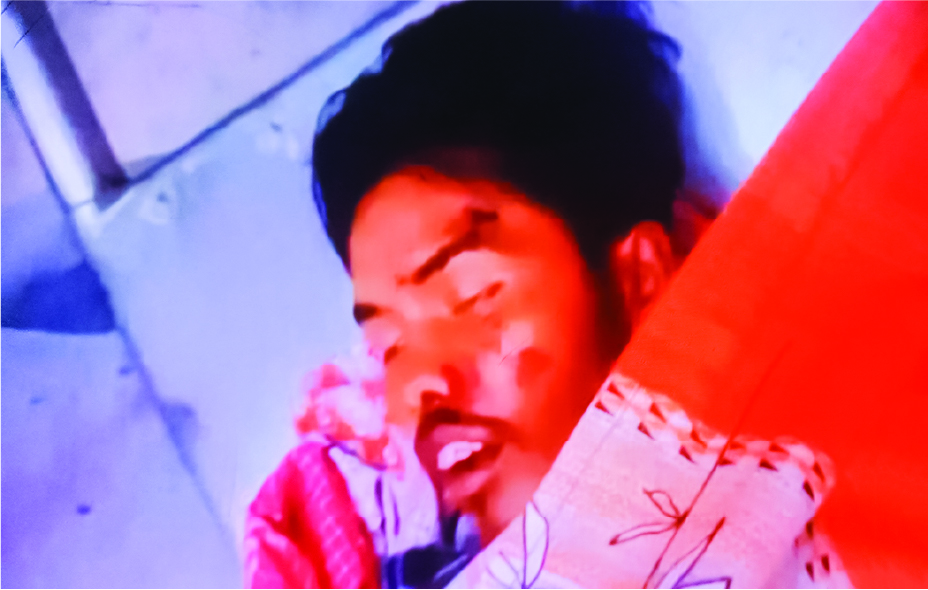
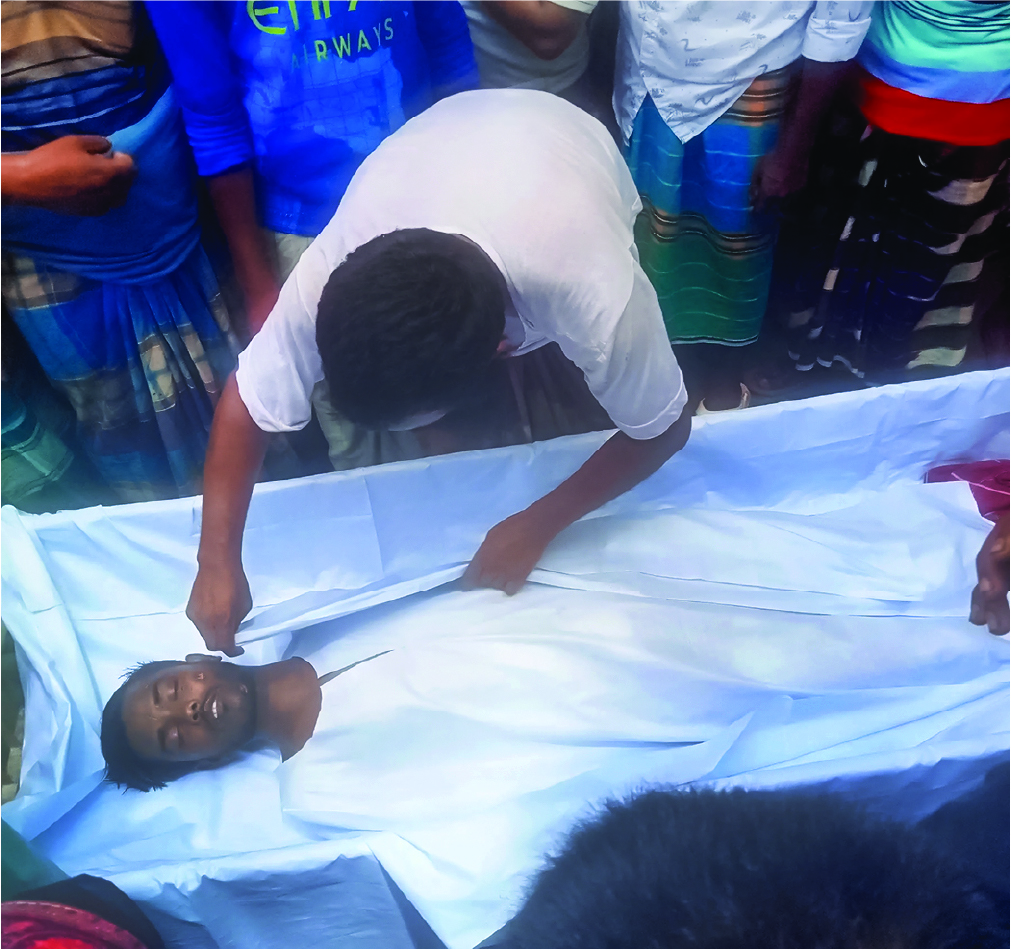
Shaheed Rashedul Haque was at the front of the long march procession. As the long march procession was proceeding towards Jatrabari Bridge, a large number of policemen from the opposite direction started firing indiscriminately at the students and the people. Two rubber bullets of the police hit Rashedul Haque in the forehead and head, and one bullet pierced his chest and exited from the back. Rashedul Haque fell to the ground as soon as he was hit by the bullets of the autocratic government's pet police league. Later, the students participating in the procession took him to the side of the road, where he immediately breathed his last. After that, the students took out his mobile phone from his pocket and called his elder brother. The elder brother came to the spot and broke down in tears after seeing his brother in a bloody state. At one point, the elder brother called the other two brothers and brought them to the spot. Then, they rented a pickup truck and left for Kurigram with Shaheed Rashedul's body in a bloody state.
Testimony from Relatives and Friends
A neighboring friend, Md. Rafiqul Islam, said that Rashedul Haque used to earn his living by doing agricultural work in the area before going to Dhaka. Besides, he also worked as a tailor in Kaliganj Bazar. While working in different fields in the area, he used to work properly. He never got into conflict with anyone over money or work. As the opportunity for agricultural work in the area decreased during the monsoon season, he came to Dhaka and started working as a tailor in Jatrabari. Unable to make a living from tailoring, he joined a garment factory in Narayanganj as a junior operator. But he could not work properly as the movement started. When the anti-discrimination student movement reached its final stage, he also participated in the movement. As far as we know, he was present at the forefront of the movement. Due to his presence at the front, the police bullets directly hit his chest.
Family Information: Shaheed Rashedul Haque was married just 22 days before his martyrdom. His wife left him three days after his death.
Personal Information at a Glance
Name: Md. Rashedul Haque
Date of Birth: February 18, 2004
Religion: Islam
Father's Name, Age, Occupation: Md. Bachchu Mia (53), Day Laborer
Mother's Name, Age, Occupation: Mosammat Aleya Begum (47), Homemaker
Family Members: 7
o Children: None
o Siblings:
1. Md. Alamgir, Age: 36, Occupation: Rickshaw Driver
2. Md. Alam, Age: 30, Occupation: Rickshaw Driver
3. Md. Al Amin, Age: 23, Occupation: Rickshaw Driver
4. Md. Apon Ahmed Swapan, Age: 14, Occupation: Tailoring
Permanent Address: Char Kathgiri, Union: Nun Khawa, Thana: Nagesswari, District: Kurigram
Current Address: Jatrabari, Dhaka
Incident Location: Shonir Akhra Bridge, Jatrabari, Dhaka
Perpetrator: Police instigated by the authoritarian government
Time of Injury: August 5, 2024, 11:30 AM
Time and Place of Death: August 5, 2024, Shonir Akhra Bridge, Jatrabari, Dhaka
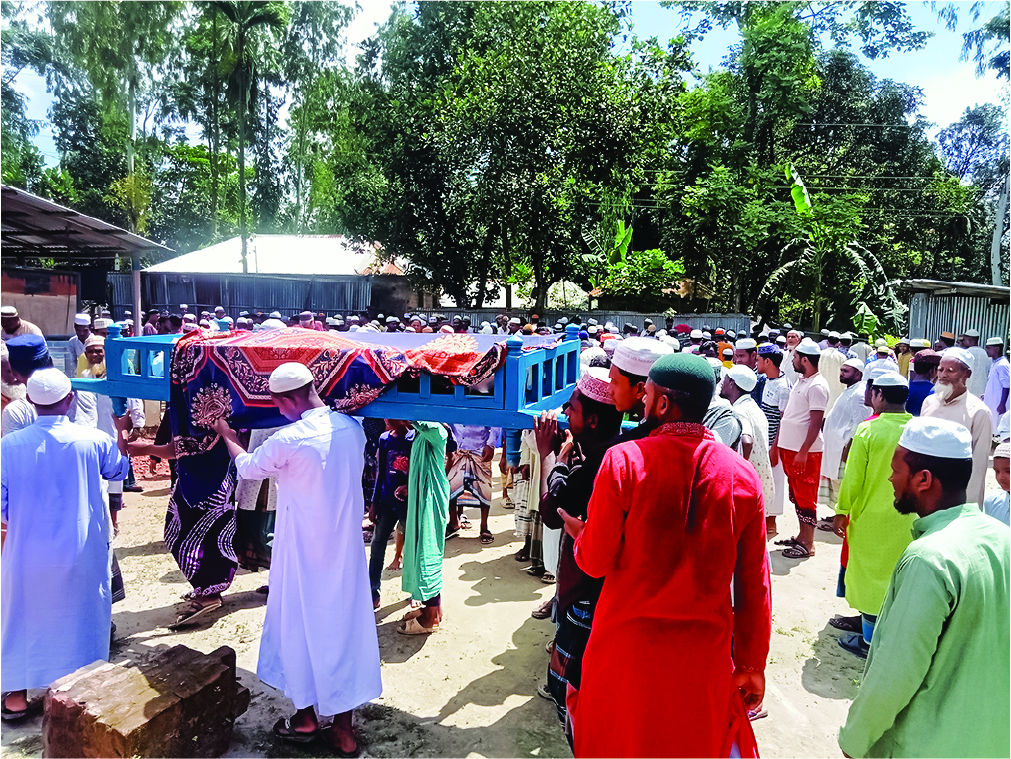
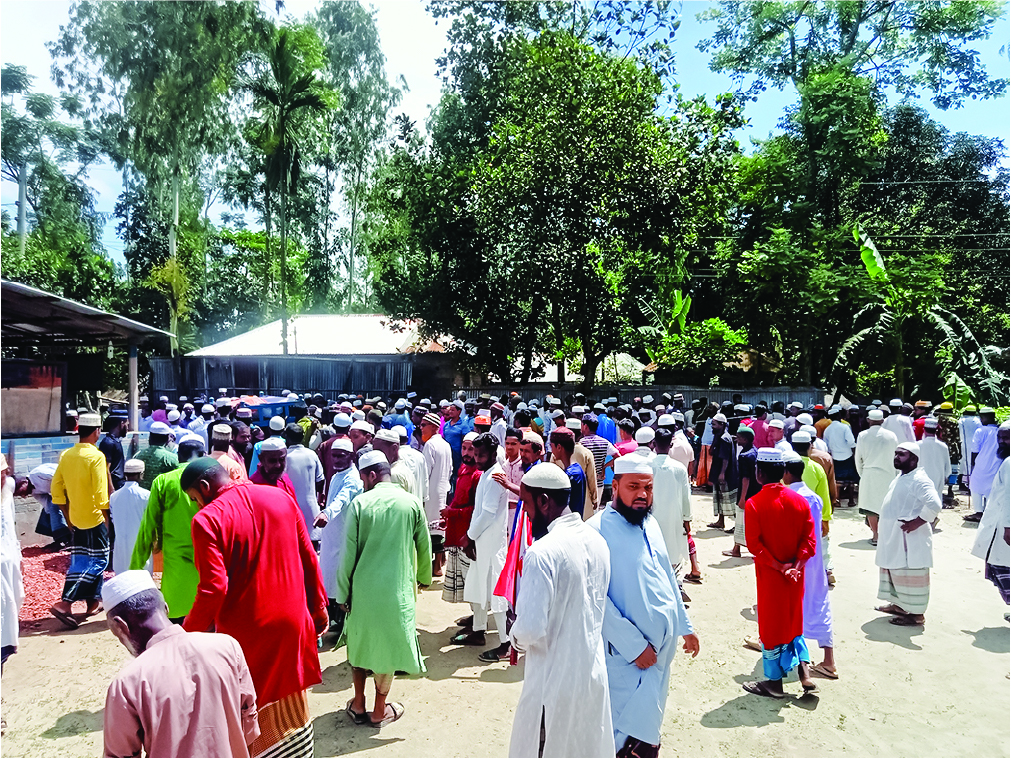
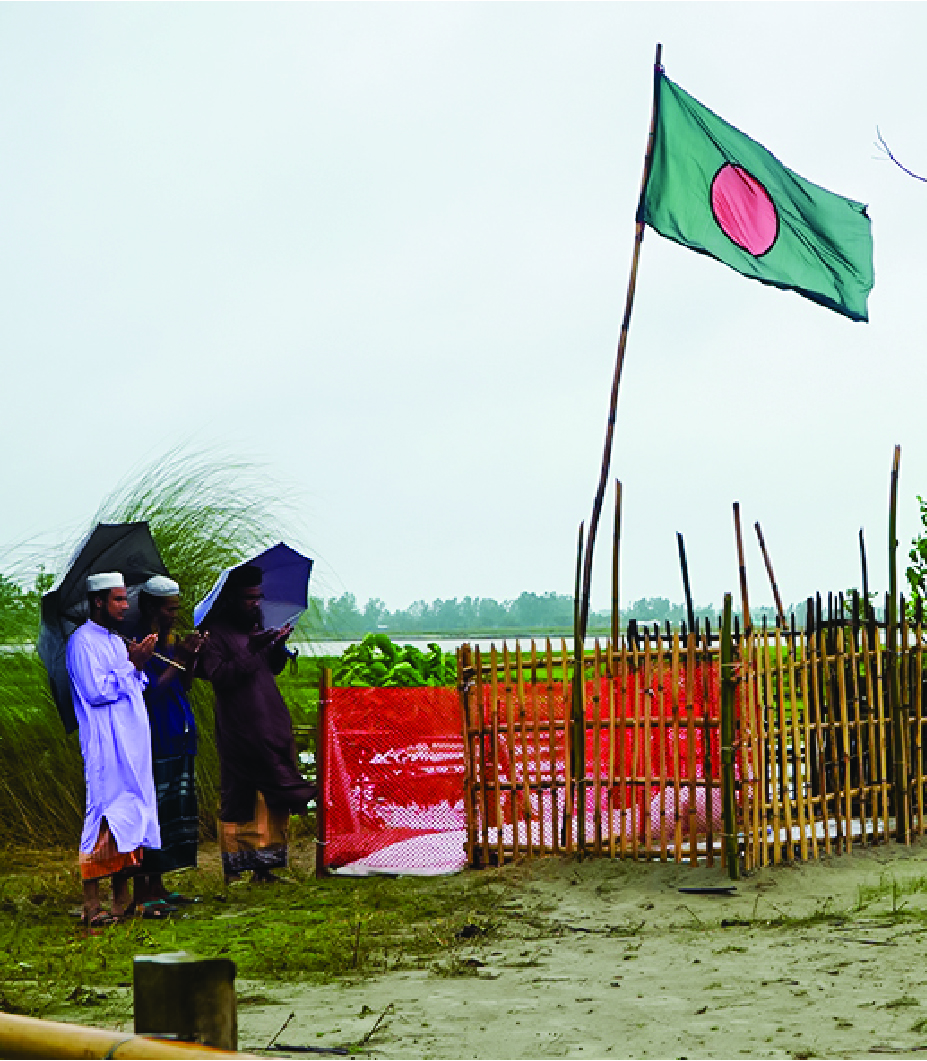
Martyr's Grave Location: Family Graveyard, Kurigram
Quranic Verse
They rejoice in what Allah has bestowed upon them of His bounty, and they rejoice for those who have not yet joined them. (Surah Al-Imran 3:170)
Hadith Sharif
Abdullah ibn Masud (RA) reported: The Messenger of Allah (SAW) said, "The souls of the martyrs are in the bodies of green birds." (Sahih Muslim 1887)
👥 Shaheeds from the Same Division
Rangpur
Memorial Photo Gallery