📱 Smart QR Code
Scan to view & share this memorial biography directly.
🌹 Prayers
Click to send your sincere respect and prayers for this hero
Mohammad Asadul Haque Babu
📅 Date of Birth
1 March, 1993
🕊️ Date of Martyrdom
5 August, 2024
🗺️ Division
Rangpur
📍 District
Dinajpur
👤 Short Biography
Profession: Auto-Rickshaw Driver
Place of Martyrdom: Under Jatrabari Flyover, Jatrabari, Dhaka
Incident Details & Martyrdom Narrative
Martyr Md. Asadul Haque Babu was born in the village of Ramchandrapur, Bhandara Union, Biral Upazila, in the northern district of Dinajpur. Ramchandrapur is a remote village in Biral, a border upazila of Dinajpur, bordering India. The village is bordered by Munsipara to the north, Gopalpur to the south, and the Biral-Radhikapur corridor to the southwest. In this village, Shaheed Asadul Haque was born on March 1, 1993, to the couple Md. Joynal Abedin and Aleya Begum. Asadul Haque was the beloved youngest child of his parents, so everyone affectionately called him 'Babu'.
Shaheed Babu's two elder sisters are Lucky and Sumi Akhtar. Shaheed Babu's education began in Ramchandrapur village, and he spent his carefree childhood there. Shaheed Babu was a child of a very poor family. His father had no ancestral property. That is why Babu's entire family came to the capital Dhaka for the sake of livelihood in his childhood. In Dhaka, Shaheed Babu's father, Md. Joynal Abedin, worked hard and gradually built their family. He did whatever work he could get for the family. Despite so much hardship, he raised his beloved children. When he grew up, Shaheed Asadul Haque Babu also took the helm of this family alongside his father. But suddenly such a storm seemed to disrupt everything.
Brief Sequence of Events Until the Departure of the Autocrat
The anti-discrimination student movement was mainly triggered by a Supreme Court verdict, where the 30% job quota for the children of freedom fighters was reinstated. Earlier in 2018, this quota was reformed in the context of the quota reform movement. This decision created widespread discontent among the general public, especially among general students, because the quota system was a major obstacle to getting job opportunities based on merit.
At that time, the people were fed up with the government's economic mismanagement, inflation, nepotism in various appointments, corruption in most government projects, rising commodity prices, and rigging of all elections in broad daylight. Therefore, the movement that started against the quota system quickly spread across the country.
Meanwhile, the autocratic Hasina became desperate to suppress the movement. To stop the movement, the killer Hasina at one point closed all the educational institutions in the country and deployed RAB and BGB along with the police across the country. On the other hand, Awami League ministers, MPs, and top leaders of the party continued to influence their affiliates, especially Chhatra League, Jubo League, and Volunteer League, to take action against the protesters. After July 15, the Awami League's terrorist affiliates carried out brutal attacks on innocent students in various parts of the country. As the situation became increasingly heated, the government imposed a curfew across the country, ordering them to shoot and kill, and shut down internet and mobile communications. Which effectively isolated Bangladesh. News of the killing of hundreds of ordinary people and students began to come from different parts of the country. The level of the movement also increased. In the clashes of August 4 alone, there were widespread clashes in at least 21 districts of the country, including Dhaka.
According to initial media reports, more than 90 people were killed in the violence that day. Later, the government imposed an indefinite curfew across the country. On August 5, the 'March to Dhaka' program was announced to demand the resignation of the autocratic Hasina's government and justice for the killing of innocent students and people. In response to this program, common students and people from all over the country took part in the long march towards Dhaka. All the military forces of the country became desperate to suppress this long march, breaking the curfew. In the beginning, they displayed great physical strength, as a result of which the number of casualties increased. But the people were adamant about their demands, and due to the demands and mass upsurge of the people, the members of the military forces started surrendering in various places. Seeing the situation deteriorating, Sheikh Hasina hurriedly submitted her resignation letter to President Mohammad Shahabuddin. Later, Hasina and her sister Sheikh Rehana fled to Agartala, India, in a military helicopter. The autocratic and fascist rule of almost two decades came to an end.
There was a nightmare chapter even after the victory
Rumors of Hasina's escape started spreading across the capital shortly after 1 pm. But even then, no reliable source of information was available. Asadul Haque Babu also participated in the 'March to Dhaka' program as usual. That day, thousands of people thronged the streets of Jatrabari, and the procession moved towards Shahbagh. When the procession reached in front of Jatrabari Police Station, a horrific chapter began. Tension spread in the procession. Because in the past few days, the Jatrabari police station police have brutally killed common people in the Jatrabari area. A few of the agitated people angrily set fire to several vehicles parked in front of the main gate in front of the Jatrabari police station and started chanting slogans demanding the punishment of the police. Sensing the size of the procession and the anger of the students and the people, the Jatrabari police station police members launched a surprise attack. Because the police members knew that they had played the biggest role in prolonging the power of the autocrat. Two to three hundred policemen from the Jatrabari police station area came in front of the police station, firing indiscriminately from firearms. By then the procession had been dispersed. The police could have stopped there, but they did not delay in carrying out the same barbarity as before.
Countless students were hiding in fear under the pillars of the Jatrabari flyover. Sensing the presence of the unarmed students and people, the over-enthusiastic police members started firing indiscriminately there. Instantly, the fresh blood of the people flooded the road under the Jatrabari flyover. The sky and air became heavy with the cries of people from the surrounding buildings. People from the buildings begged and pleaded for the police to stop the massacre. But the police did not stop, they became even more reckless and started firing at the unarmed people hiding around. The elderly, women, or children were not spared. The vicious hyena-like killer police were shooting whoever they could see in front of them. Asadul Haque Babu was also hiding behind the flyover. Even after surrendering to the police bullets, they were not spared. They were shot at. One after another, four bullets of the killer hit Asadul's chest, right hand, and leg. Asadul Babu and all the innocent people hiding there drank the nectar of martyrdom on the spot. These horrific scenes were captured in a video taken from a multi-story building in front of the Jatrabari police station. The 5-minute 24-second video clearly showed how the Jatrabari area witnessed the most horrific massacre in history that day.
From unknown to identity, Shaheed Asadul was found
Those who were martyred on the spot with Shaheed Asadul, their next destination was the emergency department and morgue of Dhaka Medical. That day, bodies started coming to Dhaka Medical from different places in Dhaka. Meanwhile, Shaheed Asadul's family was disoriented and reckless as they had no news of him. At 4 pm, a call came to Asadul's elder sister Lucky from an unknown number. The person on the other side of the phone, hiding the news of Asadul's death, said that he had received the number from Asadul's phone, which was lying injured in front of the Jatrabari police station.
Martyrdom of Asadul Haque Babu
On August 5, 2024, Asadul Haque Babu, a 24-year-old resident of Lakshmipur village in Dinajpur, was shot and killed by police during the anti-discrimination student movement in Dhaka. He was the youngest among three brothers, with his elder siblings working in the garment industry and mobile servicing.
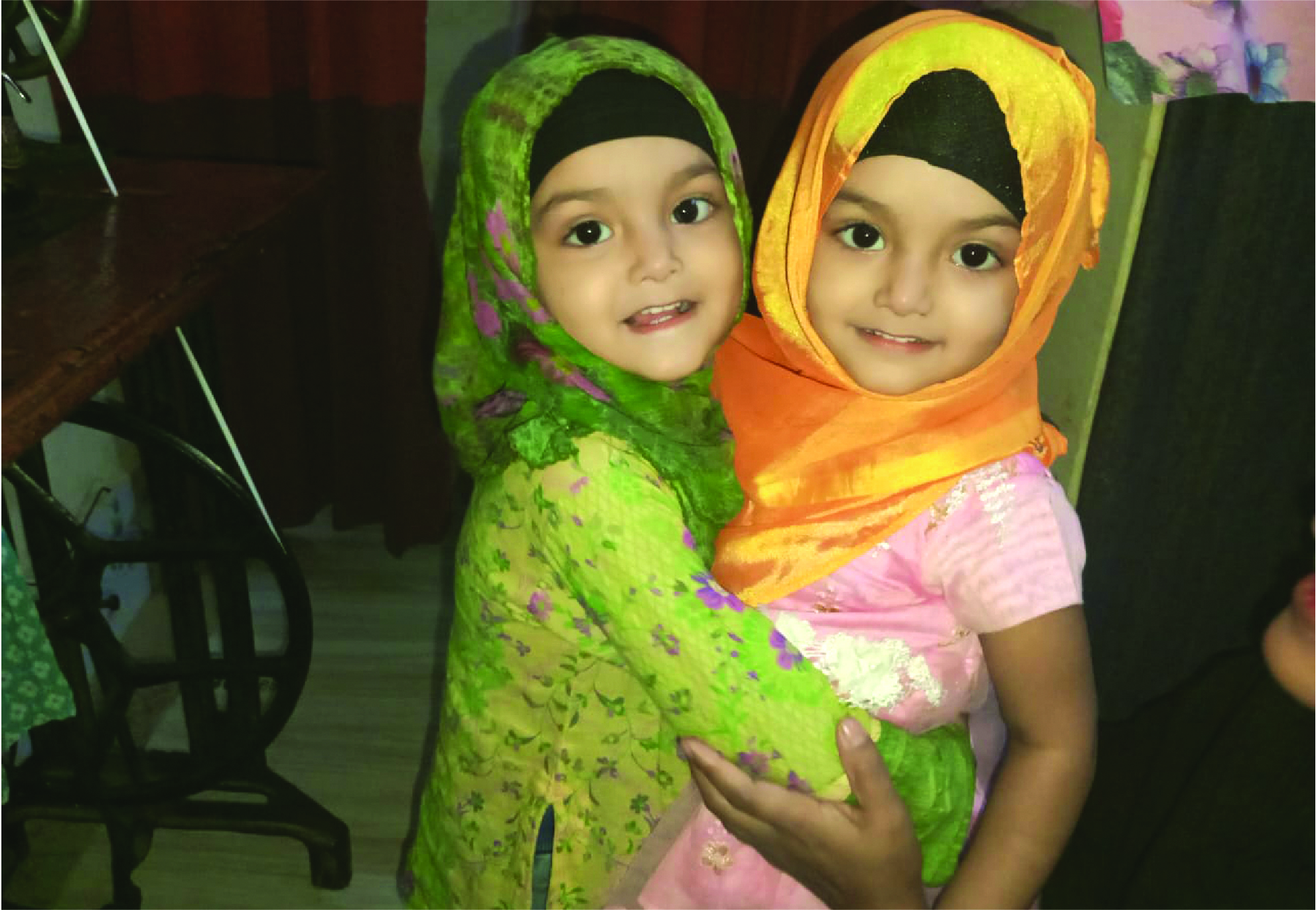
After his death, his family was informed that he had been critically injured and taken to a hospital. Upon searching various hospitals, they found his body at Dhaka Medical College Hospital. His two-and-a-half-year-old twin daughters gazed silently at their father's body, a sight that moved everyone present. At the hospital, the scene was chaotic, with numerous unidentified bodies. Asadul's brother-in-law, Jibran Shahid, described the situation:
"There were hundreds of bodies piled up on stretchers and the floor. There were no doctors or nurses in the emergency department. Relatives of the missing were trying to identify their loved ones by moving the bodies. We found Asadul's lifeless body among the pile."
Public Tribute
After retrieving Asadul's body, the general public paid their respects. Students arranged an ambulance to transport the body, refusing to accept any payment for the service. They cleared the streets to make way for the ambulance, accompanying it on foot to Jatrabari. From there, the body was taken to his ancestral home in Lakshmipur village, where he was laid to rest in the family Graveyard.
Family's Economic Condition
Asadul's family has faced economic hardships. His father, Mohammad Muslim Uddin, is a fish vendor. Asadul, a Hafiz, worked to support his family. He has two younger siblings who are in college and school.
Recommendations
1. Immediate Financial Assistance: Provide urgent financial support to his two-and-a-half-year-old twin daughters and his pregnant wife.
2. Educational Scholarships: Arrange scholarships to continue the education of his twin daughters.
3. Support for Elderly Parents: Offer financial assistance to his elderly parents and help secure employment for his father.
These measures would help alleviate the family's immediate financial burdens and ensure the well-being and future of his children.
Personal Information of the Martyr at a Glance
Full Name of Martyr: Mohammad Asadul Haque Babu
Date of Birth: March 1, 1993
Profession: Auto-Rickshaw Driver
Father's Name: Mohammad Zainal Abedin
Father's Profession & Age: Fourth-grade employee at a private institution, 60 years old
Mother's Name: Mousa Aleya Begum
Mother's Profession & Age: Housewife, 50 years old
Wife's Name: Mosammat Sharmin Akter
Wife's Profession & Age: Housewife, 22 years old
Current Family Members: 5 members
Children's Names, Ages, & Relationship:
1. Name: Khadija Jannat Afia, Age: 2.5 years, Daughter of the Martyr
2. Name: Asia Jannat Afra, Age: 2.5 years, Daughter of the Martyr
Perpetrators: Police Officers of Jatrabari Police Station
Place of Injury: Under the Jatrabari Flyover, Jatrabari, Dhaka
Time of Injury: August 5, Approximately 1:45 PM
Place of Death: Under the Jatrabari Flyover, Jatrabari, Dhaka
Time of Death: August 5, 2024, Approx. 1:50 PM
Martyr’s Burial Location: Ramchandrapur Graveyard, 6 No. Bandar Union, Biral, Dinajpur
Address Information
Current Address: House: 86/2/10/6, North Jatrabari, Gate No. 4, Post Office: Gendaria-1204, Jatrabari, Dhaka
Permanent Address: Village: Ramchandrapur, Union: Bandar, Upazila: Biral, District: Dinajpur
Quranic Verse
And do not say of those who are killed in the way of Allah, "They are dead." Rather, they are alive, but you perceive it not. (Surah Al-Baqarah 2:154)
Hadith Sharif
The Messenger of Allah (SAW) said, "A martyr will be able to intercede for seventy relatives in Paradise." (Sunan Abu Dawood 2520)
👥 Shaheeds from the Same Division
Rangpur
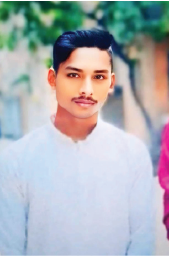
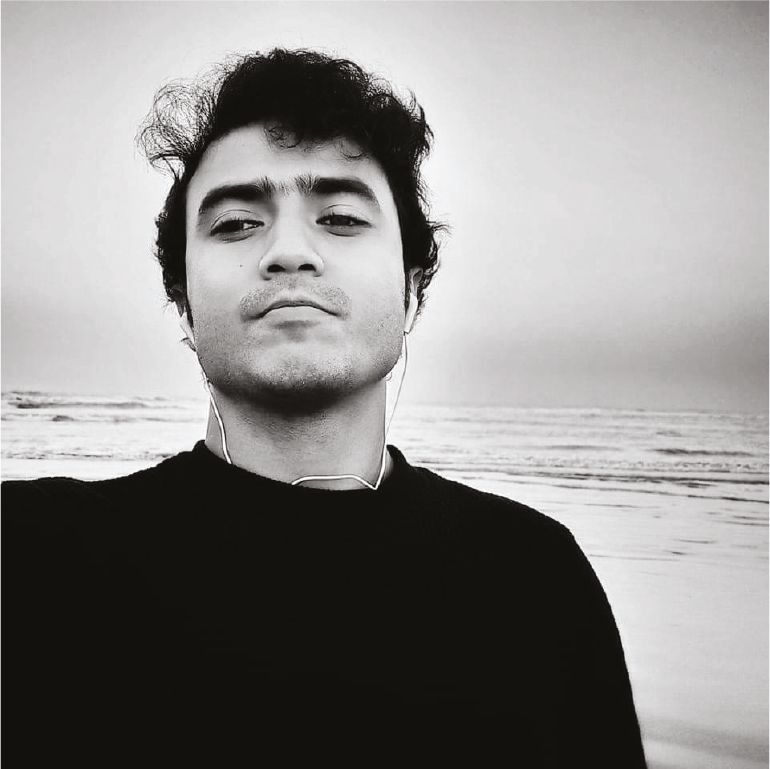
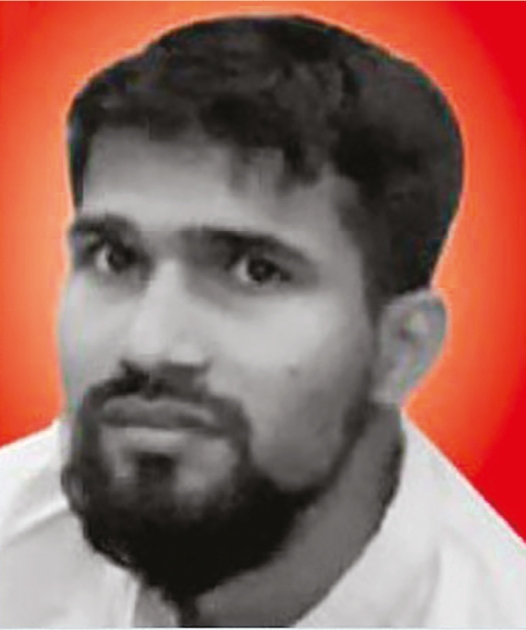
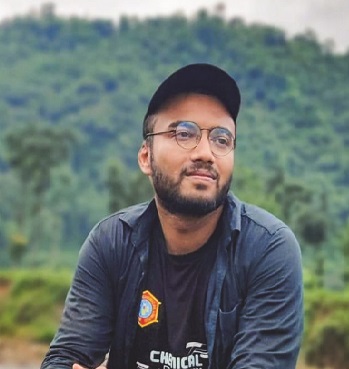
Memorial Photo Gallery