📱 Smart QR Code
Scan to view & share this memorial biography directly.
🌹 Prayers
Click to send your sincere respect and prayers for this hero
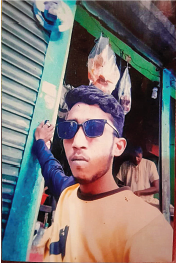
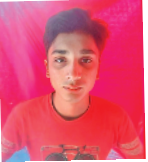
Md. Sakil
📅 Date of Birth
31 December, 2000
🕊️ Date of Martyrdom
18 July, 2024
🗺️ Division
Barishal
📍 District
Barguna
👤 Short Biography
Profession: Rickshaw Driver
Place of Martyrdom: Dhaka Medical College Hospital
Incident Details & Martyrdom Narrative
Bukabunia is a union under Bamna Upazila in the Barguna district of Bangladesh. The village of Lakshmipura within this union is a place of serene natural beauty. The Hajibari neighborhood of this picturesque village bears witness to a unique uprising in the revolutionary movement of ’24. It was from this very place that an ordinary rickshaw-puller emerged as a symbol of resistance against tyranny—contributing to the awakening that led to the fall of autocracy. His simple life and extraordinary courage have earned him recognition both at home and abroad.
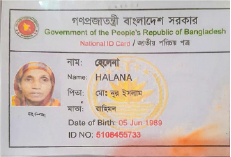
This valiant soul, lovingly named Sakil by his parents, was born on 31 December 2000 in a remote region of Comilla, located in the southeastern part of Bangladesh. He was the son of the late Dulal and Helena.
Post-Birth Days
One after another, Sharmin (25), Sakil (24), Tania (18), and Jibon (13) were born into the home of a day-laborer couple. In an attempt to escape the clutches of poverty, Mr. Dulal migrated to the capital city with his wife and children. Through relentless effort and hard work, he gradually shaped a more stable life for himself. Seeking a new beginning, the family settled in the Jatrabari area of Dhaka, where a new chapter of their lives began. He started his livelihood by renting a rickshaw from a garage. In striving to improve the family's circumstances, the mother too played a vital role — dedicating herself to domestic work to help support their four children.
Tragedy struck when Sakil’s father passed away, leaving the family bereft of their guiding force. With only the mother earning, it became impossible to sustain the children’s education, and one by one, Sharmin, Sakil, and Tania dropped out of school. Jibon was just a few months old at the time and never had the opportunity to attend school due to financial hardship. Now thirteen, Jibon works as a child laborer in a shovel factory due to ongoing financial constraints. Sakil’s eldest sister is married, while the middle sister, despite being married, is now divorced and lives with their mother.
After the death of her husband and the loss of their home to river erosion, Helena Begum — Sakil’s mother — handed her young son a rickshaw to drive in hopes of survival. That same rented rickshaw was his only source of income before attaining martyrdom. Following her husband’s death, Helena and her children took permanent refuge at her brother’s residence in Barguna, which remains their only stable shelter to this day.
Backdrop of the Movement
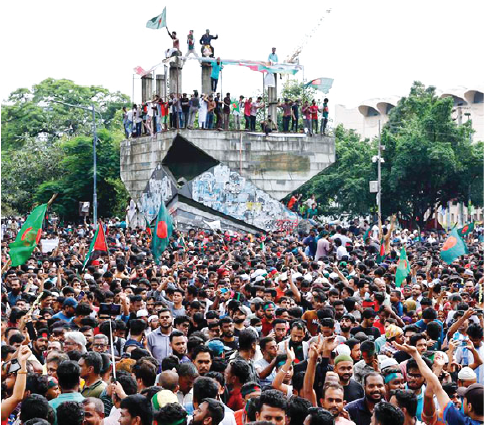
The foundation of the anti-discrimination student-civilian movement lay in the persistent deprivation experienced by students and the lack of fair opportunities across society. Central issues included the quota system in government jobs, inadequacies in the education system, and the lack of equal access to higher education and employment. Thousands of students, disillusioned by persistent inequality, initiated a mass uprising out of their frustration — an uprising that quickly spread like wildfire across the country.
The principal demand of the movement was equal rights to education and employment, particularly merit-based recruitment in government jobs. This resulted in tension between the government and the protesting students. On one hand was the government’s unfulfilled promises and administrative failures; on the other was the students’ despair and systematic exclusion. These contrasting realities fueled the movement. One of its greatest tragedies was the brutal police firing on peaceful protesters, which led to injuries and loss of life. Despite peaceful demonstrations, law enforcement responded with extreme cruelty, sparking outrage among students and drawing the nation’s attention to the movement’s importance.
Circumstances of Martyrdom
The mass uprising of 2024 ignited a nationwide awakening. People of all backgrounds and professions joined the movement in solidarity. Among them stood Sakil — a rickshaw puller — at the frontline of protest. He wholeheartedly supported the various programs initiated by anti-discrimination student activists.
On 18 July 2024, Sakil ate a meal prepared by his mother and went out to work. He earned 170 taka after hours of laboring in the sweltering heat around Jatrabari’s Kutubkhali area. Returning home, he handed the money to his mother and set out again. On the way, he witnessed the ongoing protest and felt compelled to join. At 2 p.m., he parked his rickshaw at the garage and entered the sea of protesters.
Kutubkhali, near the Boro Madrasa, was teeming with people. Suddenly, members of the ruling party’s armed wing and the police forcefully arrived. Chaos broke out as they fired indiscriminately, hurled tear gas, and deployed sound grenades. The crowd scattered in panic. Amidst the frenzy, a police bullet struck Sakil. He collapsed unconscious to the ground.
A neighbor rushed him to Asgar Ali Medical Hospital. Due to excessive bleeding, he was referred to Dhaka Medical College. However, doctors at Dhaka Medical, citing it as a police case, refused treatment. Deprived of medical attention, this guiding light of the nation succumbed to his injuries on the hospital floor.
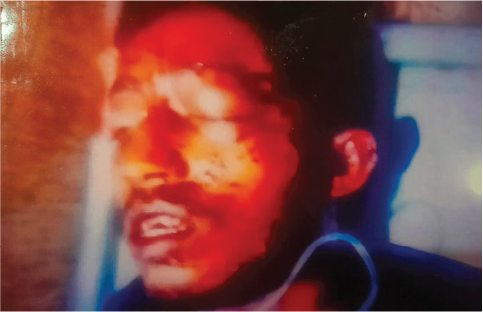
At 9 p.m., the neighbor returned home with a photo of Sakil’s lifeless body. Seeing this, his mother fainted. Later, accompanied by her son-in-law and a neighbor, Helena Begum went to retrieve the body from the hospital. But the police drove them away, threatening that the body would not be returned until the movement ceased.
Helena Begum pleaded with Officer-in-Charge (OC) Mahbub throughout the night of 18 July but to no avail. She returned again on the following days — July 19, 20, and 21 — imploring for her son's remains. She said:
“When we went to retrieve my son’s body, OC Mahbub of Jatrabari police station didn’t treat us as human beings. He chased us away repeatedly, as if we were animals — not people.â€
On the morning of July 22, she returned once more with her son-in-law. Despite pleading in tears at the police station gate, they were denied the body yet again. On their way home, a friend of Sakil’s informed them that the hospital refrigerator had broken down and that the body was being released that day. Helena rushed back to Dhaka Medical College. Even then, OC Mahbub refused to release the body.
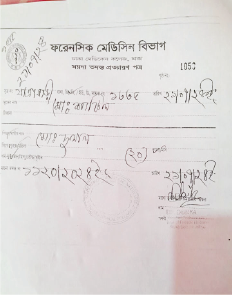
Eventually, in exchange for 1800 taka, Sakil’s body was handed over to the family at 5:30 p.m. by the hospital authorities and the OC — under the influence of the ruling party. With a shattered heart, Helena took her son’s body home. After performing the funeral rituals, this brave son of the soil was laid to rest at Jurain cemetery at 12:30 a.m.
Family’s Financial Condition
Martyr Sakil left behind no inherited property. After his father passed away when he was twelve, Sakil took charge of the household by pulling a rickshaw. With the death of her only earning son, Helena Begum now lives in helpless dependence at her brother’s home. Sakil’s younger brother has been forced into child labor. There is no one left to support the family. After her husband’s death, Helena and Sakil were evicted from Cumilla and currently have no relatives except for her brother’s family.
Recommendations
1. Provide financial assistance to the martyr’s mother either monthly or in a one-time grant.
2. Arrange permanent housing for the family to ensure stability.
3. Facilitate employment for Sakil’s divorced sister to help her become self-reliant.
At a Glance: Information about the Martyr
Name: Md. Sakil
Date of Birth: 31 December 2000
Age: 24 years
Occupation: Rickshaw Puller
Permanent and Present Address: Village: Laxmipura, Hajibari, Union: Bukabunia, District: Barguna
Father: Late Md. Dulal
Mother: Helena
o Age: 35 years
o Occupation: Housewife
Sister: Ms. Sharmin Akter
o Age: 25 years
o Marital Status: Married
Sister: Ms. Tania Akter
o Age: 18 years
o Marital Status: Divorced
Brother: Md. Jibon
o Age: 13 years
o Occupation: Laborer at a shovel factory
Property Ownership: No inherited land or property
Time of Injury: 18 July 2024, approximately 3:00 PM
Place of Incident: Jatrabari, near Kutubkhali Boro Madrasa, Dhaka
Assailants: Brutal members of the Awami League-affiliated police force
Hospital Where Treated: Dhaka Medical College Hospital
Date and Place of Martyrdom: 18 July 2024, Dhaka Medical College Hospital
o Body Handed Over: 22 July 2024 (The body was withheld for 5 days by Officer-in-Charge Mahbub of Jatrabari Police Station)
Place of Burial: Jurain Graveyard
Quranic Verse
And do not say of those who are killed in the way of Allah, "They are dead." Rather, they are alive, but you perceive it not. (Surah Al-Baqarah 2:154)
Hadith Sharif
Abdullah ibn Masud (RA) reported: The Messenger of Allah (SAW) said, "The souls of the martyrs are in the bodies of green birds." (Sahih Muslim 1887)
👥 Shaheeds from the Same Division
Barishal
.jpeg)


Memorial Photo Gallery