📱 Smart QR Code
Scan to view & share this memorial biography directly.
🌹 Prayers
Click to send your sincere respect and prayers for this hero
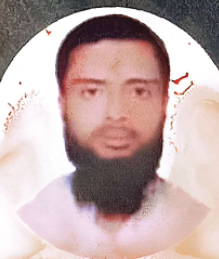
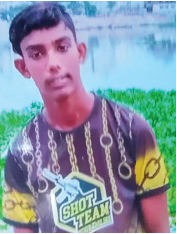
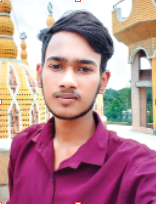
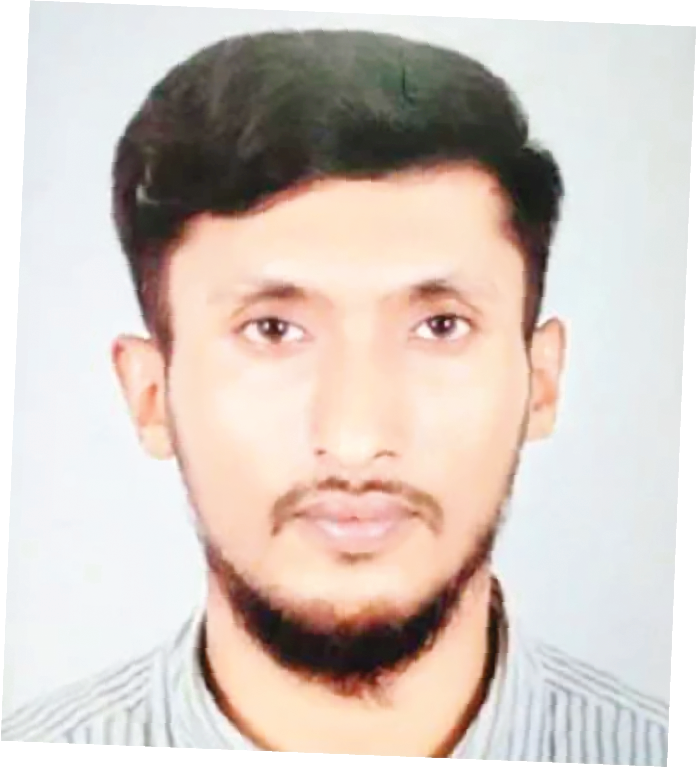
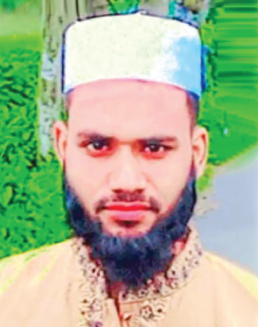
Md. Zahidul Hasan
📅 Date of Birth
1 June, 2008
🕊️ Date of Martyrdom
5 August, 2024
🗺️ Division
Mymensingh
📍 District
Jamalpur
👤 Short Biography
Profession: Electrician
Place of Martyrdom: In front of Rajlokkhi Complex intersection, Uttara, Dhaka
Incident Details & Martyrdom Narrative
Profile of the Martyr
Md. Zahidul Hasan was born on June 1, 2008, in Chandpur village of Jamalpur district, on a cloudy afternoon when the fragrance of ripening paddy in the fields mingled with the cries of a newborn at home. His name was given as Zahidul Hasan. His age stopped at seventeen, where a life was supposed to begin, but a chapter of history had already ended. His father, Ziaul Haque, was a familiar face in the fields, a farmer by profession; his mother, Jahanara Begum, cooked two meals a day, sewed clothes for her daughter, and searched for a better future in her son’s eyes. Zahid had two siblings — an elder brother who is a martyr, and a younger sister, Jannatul Ferdous Shefa, who recently passed her Higher Secondary Certificate (HSC). While the sister pursues her degree, a permanent sorrow remains alongside it for losing a brother who became a martyr.
At the tender age of 14, Zahid married a teenage girl named Farzana Akter. This was not a love story, but a struggle for survival amid poverty. It was not a case of child marriage by social negligence, rather a mutual quest for shelter between two young hearts. Farzana had studied up to the eighth grade and dreamed of owning a home, peace all around, and children playing on the veranda. But poverty had already burned the pages of her books, stolen their playground, and left their dreams under the open sky. Zahid dropped out of school and put down his books to take up tools like a tester, screwdriver, and electrical wires. Coming to Dhaka, he worked as an electrician—not just a job, but a kind of battle where every day, through electric wires, the struggle for life ascended. His footprints left marks on raw cement, and behind the colored wires hid a silent vow—that every home in this country would be lit—not only with electric light but with the light of justice and survival. Though he had no light in his own home, he wanted to bring it to others’.
He was not affiliated with any political party; his photo was not on banners or posters, nor was he a voice in any rally. He was a humble, poor, quiet young man. Yet inside this quiet youth’s heart was a volcano. While others sat at home scrolling on phones, Zahid took to the streets with a mobile phone, recording videos of injustice and sharing them online. He rarely spoke, but his eyes held an unspoken vow—that this country would one day change.
When the July revolution turned into a cyclone, Zahid became a silent soldier in it. Though his body was torn apart by gunfire, his voice did not stop. Death halted him, but could not stop his belief. In such a short life, so much courage and selfless patriotism existed—something the state might overlook, the media might forget, but history never will. History knows the light in the heart of an electrician’s hand, and that light wrote the silent shadow of the revolution. Zahid died, but his name became the question mark asking why society cannot save a poor boy? Why do truth-tellers have only a grave to call home?
Context of the Movement: The Fire Written in Blood of July
In July 2024, the sun seemed to burn with new fury, and the air carried not only the scent of sweat but the smell of resistance. A generation deprived of education, healthcare, and security raised their eyes toward the state. But the state was like the sky—visible but untouchable. The uprising born from this invisible oppression was no longer a student protest but a new liberation war—an uneven battle without weapons, fought with courage in the chest. The main force of this movement was people like Zahidul Hasan, who never made headlines in the media.
On the morning of August 4, at Uttara Rajlokkhi Mor, Zahid left home without telling anyone. His mother, Jahanara Begum, clutched his shawl, and his father, Ziaul Haque, said, “You are poor, Zahid; revolution is not your work.†But the fire burning inside a heart cannot be quenched by such prohibitions.
At Rajlokkhi Mor, a sea of people gathered, holding posters and chanting slogans with angry eyes. Zahid was there—not holding a poster, not speaking, but his eyes held a conviction heavier than many banners. The state realized these people did not just shout; they made revolutions even in silence. So began the repression: armored vehicles, black-clad hired thugs hiding under helmets took the streets. One by one, slogans faded, the crowd dispersed, but Zahid stood alone—a poor boy without any group, but with a life devoted to the country.
At 12:20 pm, two gunshots shattered his body and dreams. The first bullet grazed his right thigh and pierced his testicles, wiping out his chance at fatherhood. The state did not just take his life but robbed an impossible future. The second bullet entered through his lip, breaking his teeth, silencing his voice, but his eyes still said, “I will not live, but you cannot either.â€
Zahid collapsed on the ground, his face, body, and dreams soaked in blood. His friend Siam and an unknown passerby carried him on their shoulders to Uttara Women’s Medical College Hospital. He did not survive. He fought death for a day but did not yield; instead, he became a symbol—a poor boy who stood against injustice and said no. That “no†became the bravest word of July. The state silenced him, but history records Zahid’s bullet-ridden lips as its clearest voice.
Final Moments and a Family’s Destruction: The Story of a Brave Soul Standing Even at Death’s Door
The fight for life is never solitary, especially when it waits for one last embrace at death’s threshold. Zahid’s last moments were not cinematic heroism but filled with blood, sweat, emptiness, and an infinite belief that he had done nothing wrong. When he was brought to Uttara Women’s Medical College, his body was bloodless, his lips torn and sealed, speechless—but his eyes were open as if asking, “I did the right thing, didn’t I?â€
Doctors fought to find blood, put his body on life support, but when the state shoots, treatment halts behind fear and permission. At 2:20 pm on August 5, a young life stopped beating—a heart like any other teenager’s but courage beyond a thousand. The news of his death was not viral, not posted on Facebook profiles, not trending on Twitter, but one mother knew her chest was empty, one father felt his shoulder become heavy forever.
The city was under curfew, streets patrolled by roaring helmeted men. Fear of bullets, police repression, tear gas—all combined into a lonely terror. No ambulance came, no hearse was available. Zahid’s body lay cold, but for the state, it was just a dead body. At 10 pm, after much effort, a vehicle was found. His lifeless body was brought back to Chandpur village, trembling on the broken road from Mirpur to Jamalpur—a journey unbearable. By 2 am, they arrived, by then the village’s cries had mingled with the night air.
On August 6, at 10 am, a grave was dug—not just earth but the future of a family and the conscience of a nation. There lay Zahidul, a rebel armed only with a mobile phone and courage. His mother still touches the grave’s soil as if holding her son’s body. His father lost his voice and collapsed physically and mentally. His sister Jannatul no longer speaks to anyone. His wife Farzana, at only 14, has understood that being a martyr’s widow means preserving the memory of a dead man all her life and questioning her own existence.
Now the family has no income or support. The state does not stop by killing one person; it destroys families, their dreams, peace, and futures. And we? We might forget and talk about the next trending post. But those who saw his blood spill, who heard the gunshots—Zahid will live forever in their hearts. Because even if no one says, we know he never turned away from injustice until the very last moment.
Family Condition
The family’s financial situation is dire. The martyr’s father is currently the only earning member and has become physically and mentally distressed due to his son’s death. The martyr’s sister, Jannatul Ferdous Shefa, has applied for a job to support her studies and help the family financially.
Proposal
1. A respectable local job for Jannatul Ferdous Shefa so she can take responsibility for the family.
2. Provide security and financial support to the martyr’s wife.
At a Glance: Profile of the Martyr
Name: Md. Zahidul Hasan
Date & Place of Birth: June 1, 2008; Village: Chandpur, Union: Digpait, Upazila: Jamalpur Sadar, District: Jamalpur
Age (at time of martyrdom): 16 years
Father’s Name, Age & Occupation: Md. Ziaul Haque (Age 45); Occupation: Farmer/Laborer
Mother’s Name, Age & Occupation: Mrs. Jahanara Begum (Age 40); Occupation: Housewife
Siblings: One brother (Zahidul himself) and one sister
Sister: Jannatul Ferdous Shefa (Age 19); Passed HSC (2024)
Wife: Farzana Akter (Age 14); Occupation: Housewife; Studied up to Grade 8
Permanent Address: Village: Chandpur (Matanpara), Union: Digpait, Upazila: Jamalpur Sadar, District: Jamalpur
Current Address (in Dhaka): Lived with family in Dhaka since 2019
Education & Childhood: Attended Chandpur Govt. Primary School (School No. 111) for early education. Loved playing cricket, football, and badminton during adolescence.
Occupation & Work Life: Due to family’s financial hardship, he came to Dhaka with his parents in 2019 and left studies to work as an electrician.
Participation & Motivation in the Movement: The oppression faced by the marginalized students and public during the July revolution deeply hurt him. Until August 3, he was active on social media supporting the students. Despite parents’ warnings, on the early morning of August 4, he left home without informing anyone and joined the anti-discrimination protest in Uttara with the students.
Place of Martyrdom: Rajlokkhi Complex intersection, Uttara, Dhaka
Date & Time of Injury: August 4, 2024 (Sunday), approximately 12:20–12:30 pm
Date & Time of Death: August 5, 2024 (Monday), 2:20 pm
Details of Injury: Shot twice—one bullet grazed the right thigh (near the groin) penetrating the testicles; the other bullet entered through the lip, breaking teeth and entering the mouth. Severe blood loss occurred.
Perpetrators: Martyred due to attacks by the state-sponsored hired goons and police of the authoritarian government.
Hospital & Treatment: Two friends and an unknown passerby rescued him and took him to "Medical College for Women and Hospital" in Sector 1, Uttara. He was admitted to ICU and placed on life support. Despite doctors’ best efforts, he could not be saved and died on August 5 at 2:20 pm. Cause of death was “Irreversible Cardiopulmonary Failure.â€
Burial: Delay in transporting the body to his village in Jamalpur due to vehicle shortage. The body arrived at 2 am and was buried at the family graveyard in the village on August 6, 2024, at 10 am.
Current Family Members: Four — Father, Mother, Wife, and Sister
July Painted Red with Heart’s Blood
He was neither a speaker nor a leader on any barricade.
Yet, he is a martyr because he died for the truth, bloodied by bullets of injustice.
A state that failed to protect him—may its conscience at least feel ashamed.
Quranic Verse
Indeed, Allah has purchased from the believers their lives and their properties for [that] they will have Paradise. They fight in the cause of Allah. (Surah At-Tawbah 9:111)
Hadith Sharif
The Messenger of Allah (SAW) said, "A martyr will be able to intercede for seventy relatives in Paradise." (Sunan Abu Dawood 2520)
.png)