📱 Smart QR Code
Scan to view & share this memorial biography directly.
🌹 Prayers
Click to send your sincere respect and prayers for this hero
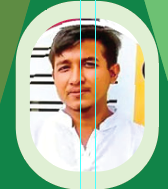
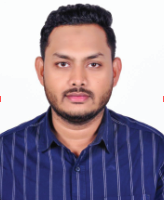
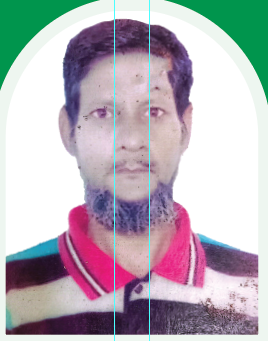
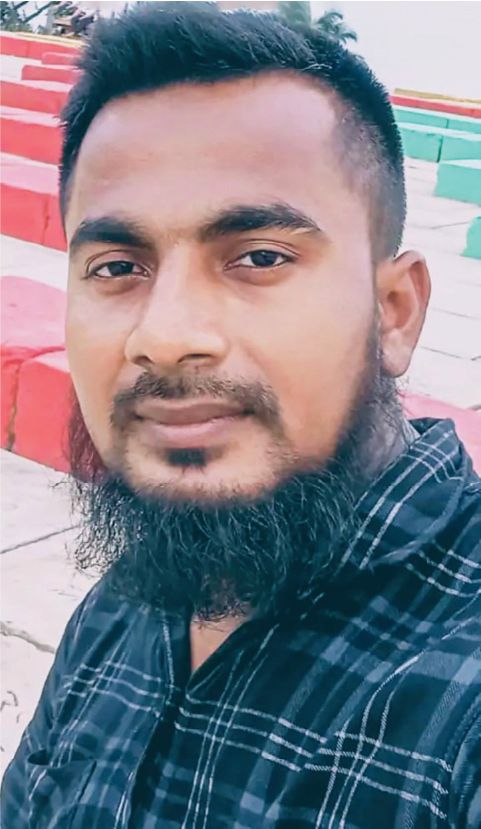
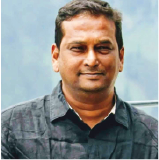
Md. Hridoy
📅 Date of Birth
15 February, 1997
🕊️ Date of Martyrdom
19 July, 2024
🗺️ Division
Chattogram
📍 District
Comilla
👤 Short Biography
Profession: Day Laborer (Shutter Mechanic)
Place of Martyrdom: In the corridor of Dhaka Medical
Incident Details & Martyrdom Narrative
It was mid-July. Bangladesh was ablaze—literally and metaphorically. The air in Dhaka reeked of smoke; the streets echoed with wails. United under the demand for justice and regime change, students, youth, workers, and the general public had risen together. The narrow alleys of Dhaka smelled of gunpowder.
In the midst of this chaos, one man set out—not to join a protest, but to find medicine for his feverish child. In his hand, he clutched a small shopping bag, and in his eyes, the quiet desperation of a father—not a politician. That man was Md Hridoy.
Born in the village of Rafferdiya in Cumilla, Hridoy had known struggle since childhood. After the death of his father, he became the sole breadwinner—sustaining his mother, wife, and two sons through sheer labor. By day, he worked as a shutter mechanic under Dhaka’s scorching sun. At night, he returned to a tiny slum room soaked in sweat—not dreaming of wealth, but only hoping for a better life for his wife Mukta Begum and their children.
His mother, Maryam Begum, a factory worker burdened with age and chronic pain, would leave for work each morning. Hridoy would often say, “Ma, don’t work anymore—I’m here for you.â€
July 2024: A Blood-Stained Chapter in Bangladesh’s History
The month of July 2024 will forever be marked as a dark, brutal time in Bangladesh's history—known as the time of the “July Massacre†and the “July Uprising.†These events transformed the nation’s political and human rights landscape forever.
The Movement Begins
The unrest began with peaceful protests by university students opposing the government's decision to reinstate a controversial quota system. These demonstrations quickly spread nationwide, evolving into a full-blown people’s movement. Students, citizens, workers, and activists joined hands.
To suppress the movement, the then-ruling Awami League government unleashed brutal force. State security forces and pro-government groups carried out deadly crackdowns. Under orders from Prime Minister Sheikh Hasina, her regime and loyalist forces committed widespread atrocities across the country.
Hasina’s Resignation and Aftermath
On August 5, under immense pressure, Prime Minister Hasina resigned and fled to India. A transitional government was formed under Nobel Laureate Dr. Muhammad Yunus, tasked with national recovery and reform.
Awami League Banned
For its role in state-sponsored violence, the Awami League was banned under anti-terrorism laws. Its registration was suspended, and leaders faced charges for crimes against humanity.
This month of fire and blood left behind deep wounds, forever shaping the future of Bangladesh. We must carry forward lessons of justice, democracy, and humanity to build a tolerant society from these ashes.
The Incident
July 19, 2024 | Friday | 5:30 PM
His child had a fever, but no pharmacy was open nearby. Whispers of protests and police firing were in the air. Still, Hridoy was no protester—he was just a father, on a mission to ease his child’s pain.
He was walking beneath the overpass, heading toward Rayerbagh market, when the gunshots rang out. A single bullet tore through his back, ripping apart his liver, and bursting through his chest in a spray of blood.
Mohammad Hridoy collapsed onto the pavement. Bystanders rushed him to the hospital, but at 8:00 PM, in a silent corridor of Dhaka Medical College Hospital, his heart stopped beating.
He Died for His Child, Not for Politics
Hridoy didn’t fight to change the government—he fought to protect his family. That night, his wife sat silently in the corner of their bed, whispering, “He just went to buy medicine… Was that his crime?â€
His mother, frail with age and crippled by back pain, remembers only her son’s blood-soaked chest—the last glimpse of the boy who held their world together. Hridoy was the only earning member of the family. Now, his mother suffers from age-related illness, and his wife is mentally devastated. The family is in severe financial crisis, barely surviving.
Testimony from His Sister
Mosammat Surma Akter, Hridoy’s elder sister, said:
“There are no brothers like mine. He was honest, kind, humble. He always spoke the truth and kept away from wrongdoing. He respected elders, loved children, and treated all family members with great care. Even when we were angry, he stayed calm and comforted us.â€
“After our father's death, he took full responsibility for our family without hesitation. He worked tirelessly, never for himself, but always for us. He suffered much since childhood but never let us suffer. That was the kind of brother he was.â€
A Life Remembered – At a Glance
Full Name Md Hridoy
Date of Birth 15 February 1997
Place of Birth Rafferdiya, Daulatpur, Daudkandi, Cumilla
Occupation Daily Laborer (Shutter Mechanic)
Father Md. Mukul (Deceased at age 57)
Mother Maryam Begum (Factory Worker, Age 54)
Wife Mukta Begum (Housewife, Age 25)
Children Mohammad Rajib Ahmed Afran (5), Mohammad Abdur Rahman (1)
Permanent Address Kazimuddin Pradhania Bari, Rafferdiya, Ward 5, Daulatpur Union, Daudkandi, Cumilla
Present Address 25/1 Gofur Mia’s House, Raisnagar (North of Baytul Mamur Mosque), Kadamtoli, Dhaka South City, Ward 60
Injury Date and Time 19 July 2024, 5:30 PM
Death Date and Time 19 July 2024, 8:00 PM
Place of Incident Rayerbagh, in front of Kadamtoli Police Station
Perpetrators Bangladesh Police
Burial Site Matuail Graveyard, Dhaka
________________________________________
Call for Justice and Support
We strongly urge the state to take responsibility for the well-being of Martyr Hridoy’s family, especially his two young children. The death of one father should not create two more orphans.
The government must provide security, shelter, and monthly sustenance for this grieving family. The silence of the state in the face of such a death is not neutrality—it is complicity.
Let the name Md Hridoy not be lost in a forgotten footnote. He was not a criminal. He was not a rebel. He was a father—murdered while trying to save his child.
Quranic Verse
They rejoice in what Allah has bestowed upon them of His bounty, and they rejoice for those who have not yet joined them. (Surah Al-Imran 3:170)
Hadith Sharif
Abdullah ibn Masud (RA) reported: The Messenger of Allah (SAW) said, "The souls of the martyrs are in the bodies of green birds." (Sahih Muslim 1887)
.jpeg)